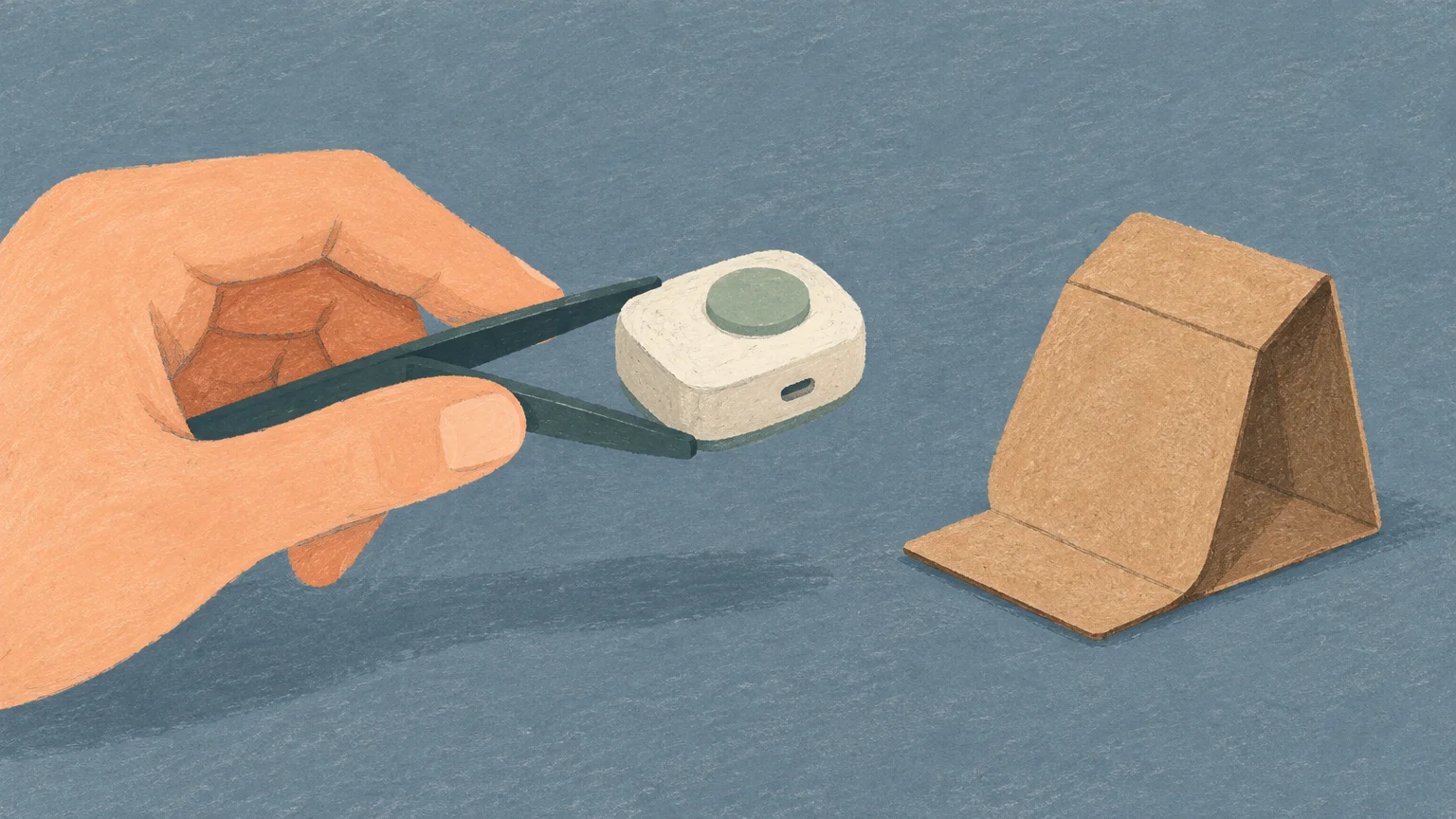
 OpenAI: AI accelerated hardware design, but manufacturing still relies on humansOpenAI stated that it has designed a physical device to talk to Codex within a week using the GPT-6 and Astra models, but that its production needs to be completed by engineers. While this demonstrates that artificial intelligence accelerates the design process, it also reveals that it cannot overcome the physical constraints of mass production. |
AiPulse — Issue No. 109
COVER
Pulse
According to Bloomberg, Apple has reduced the daily AI usage budget for its engineering teams from $300 to $200, and is planning to lower it to as little as $100 in some cases. This move signals a major shift in the company's integration of the technology into its processes. |

At Work
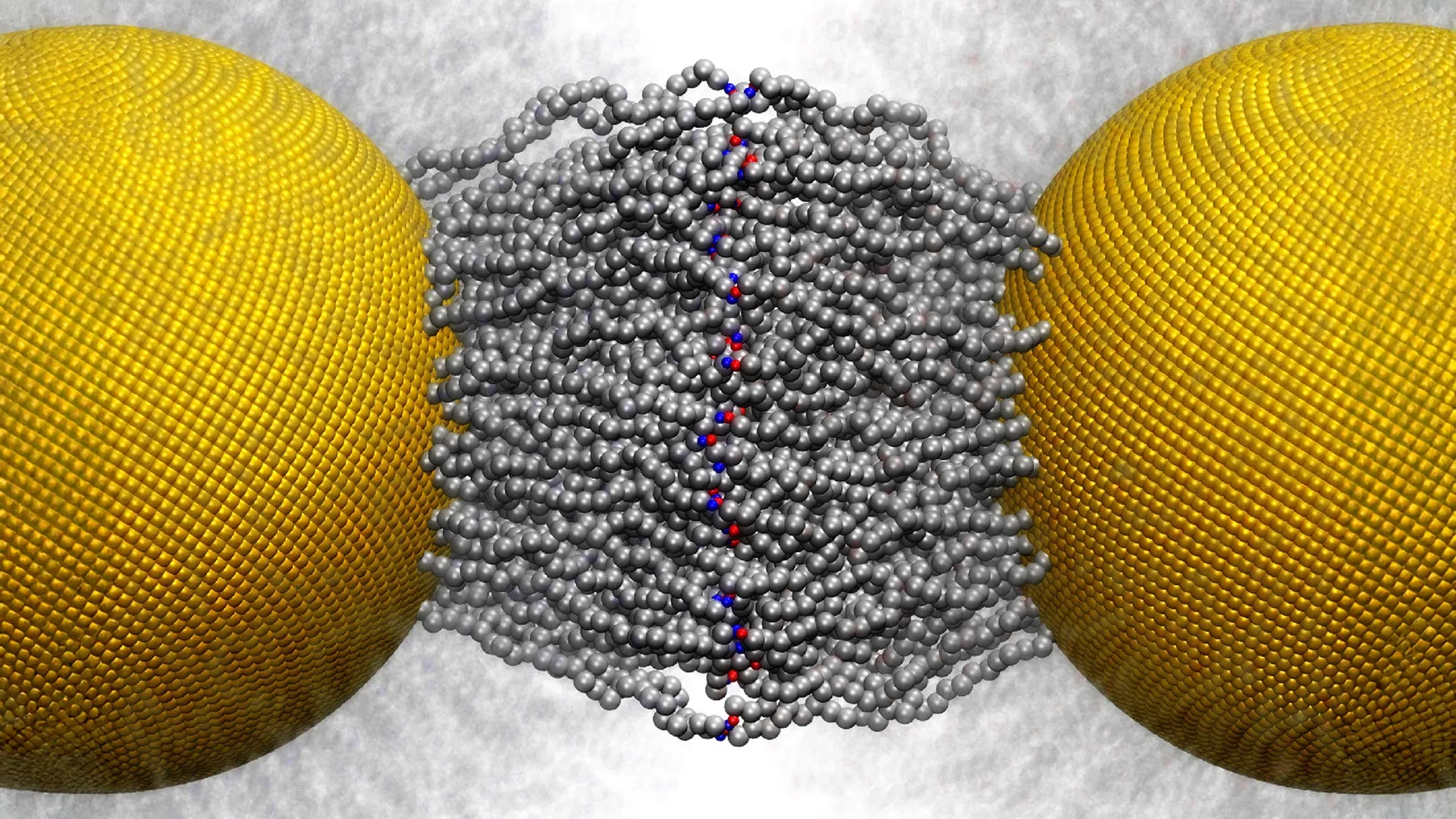
MIT scientists demonstrated that by reversing a 20-year-old solid bonding dogma, flexible molecular linkages enable nanoparticles to form previously unseen crystal structures. This breakthrough may enable the development of next-generation materials with special properties in fields such as photonics, medicine, and energy. |
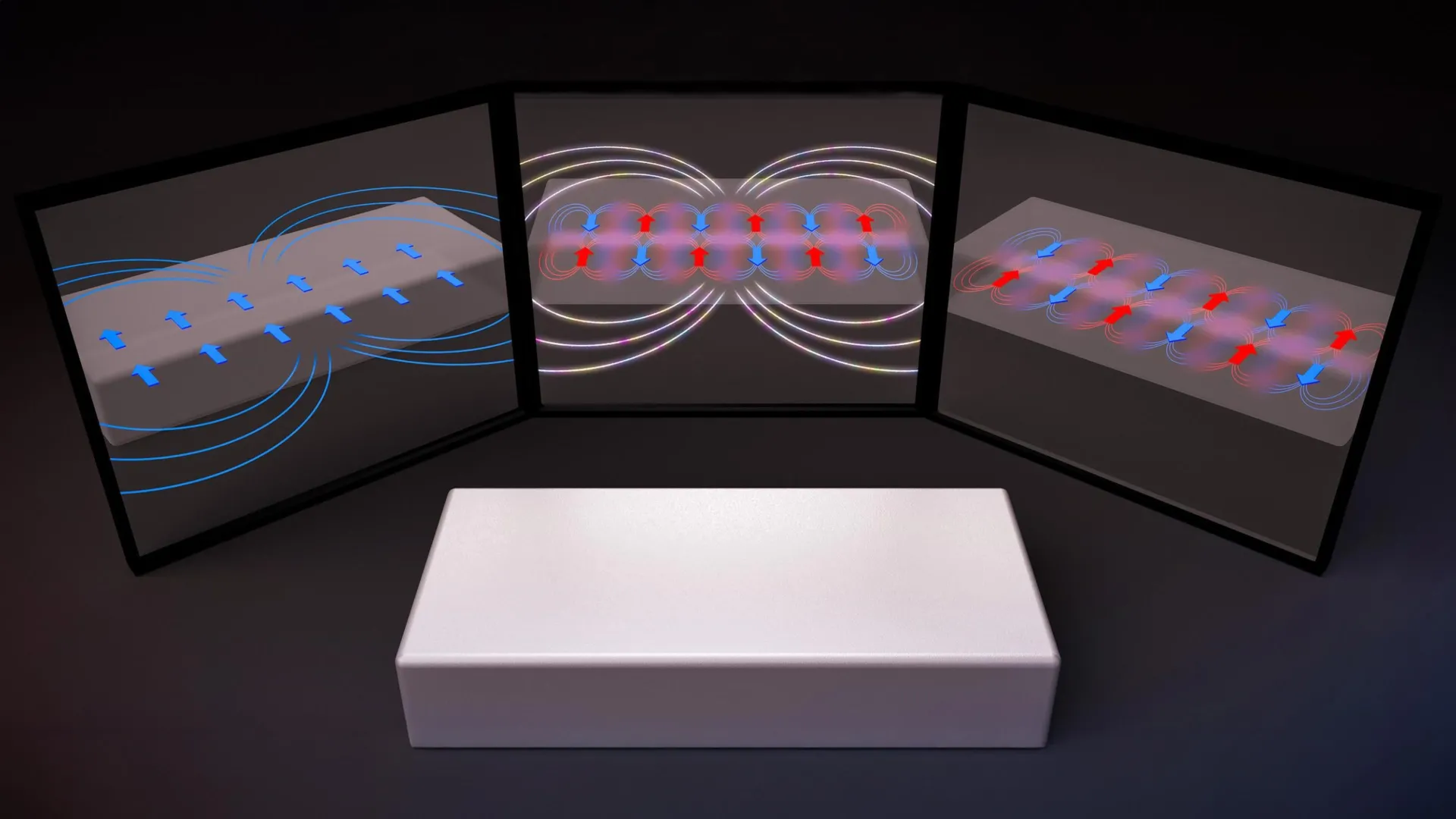
The research team detected a magnetic signature unique to antiferromagnetism in manganese telluride material using specialized X-rays. This finding confirms the existence of a third type, in addition to the two main types of magnetism that have been accepted for approximately 90 years. |
Meta has acquired Conductor, which enables the creation of software projects by deploying multiple agents in parallel workspaces. The company's cloud service will be shut down on November 20, while other core features will continue to function as they currently do until New Year's Day. |

Building Blocks
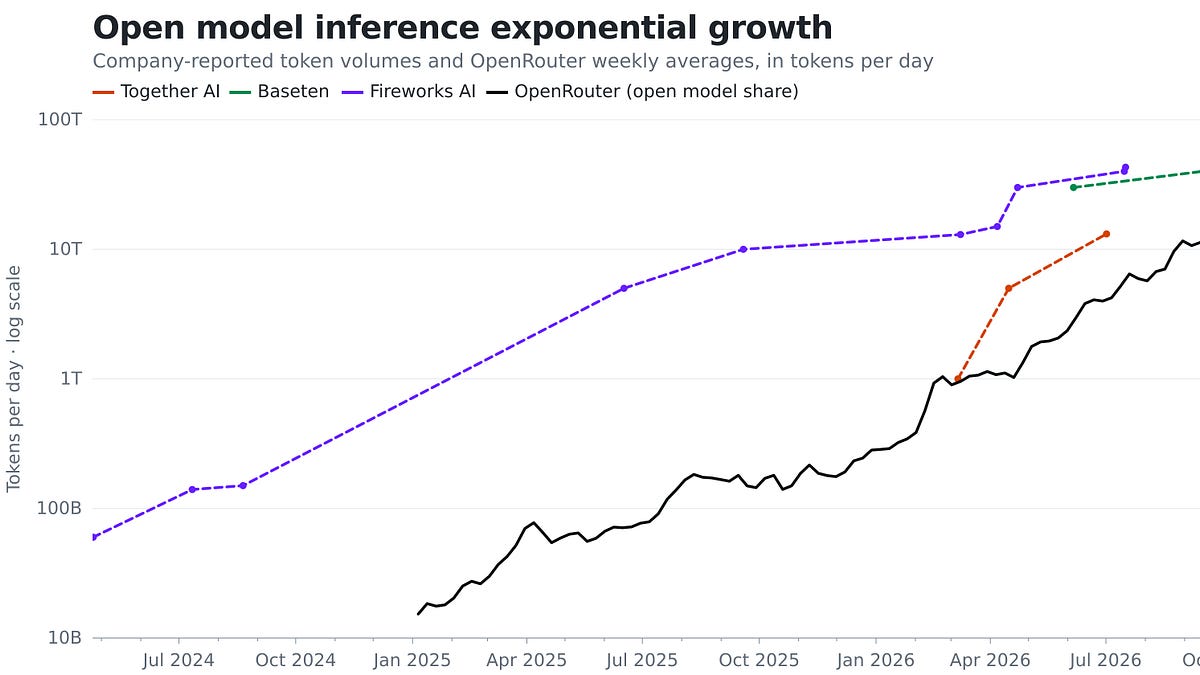
Nathan Lambert analyzed the size and growth rate of the open model inference market using data from companies such as Baseten and Fireworks. The study aims to clarify the position of this market relative to closed models. |
Global Lens
IBM tested the CUGA, Hermes, and Deep Agents scaffolds in the AppWorld benchmark using the GLM-5.3-flash model. The results showed that selecting the correct scaffold significantly increased task success. |

Apollo World enables the testing of autonomous driving systems in challenging scenarios by simulating interactive road conditions. The system aims to reduce costs and time by generating 100,000 kilometers of virtual driving data daily during the robotaxi development process of Apollo Go. |
According to Binance's preliminary report, a multi-month preparation process involving fake job interviews and zero-day software led to the exploitation of the company's internal AI tool. While the FBI attributes the attack to North Korea, Binance stated that the damages will be covered by the company and that its security infrastructure has been rebuilt. |

Frontier
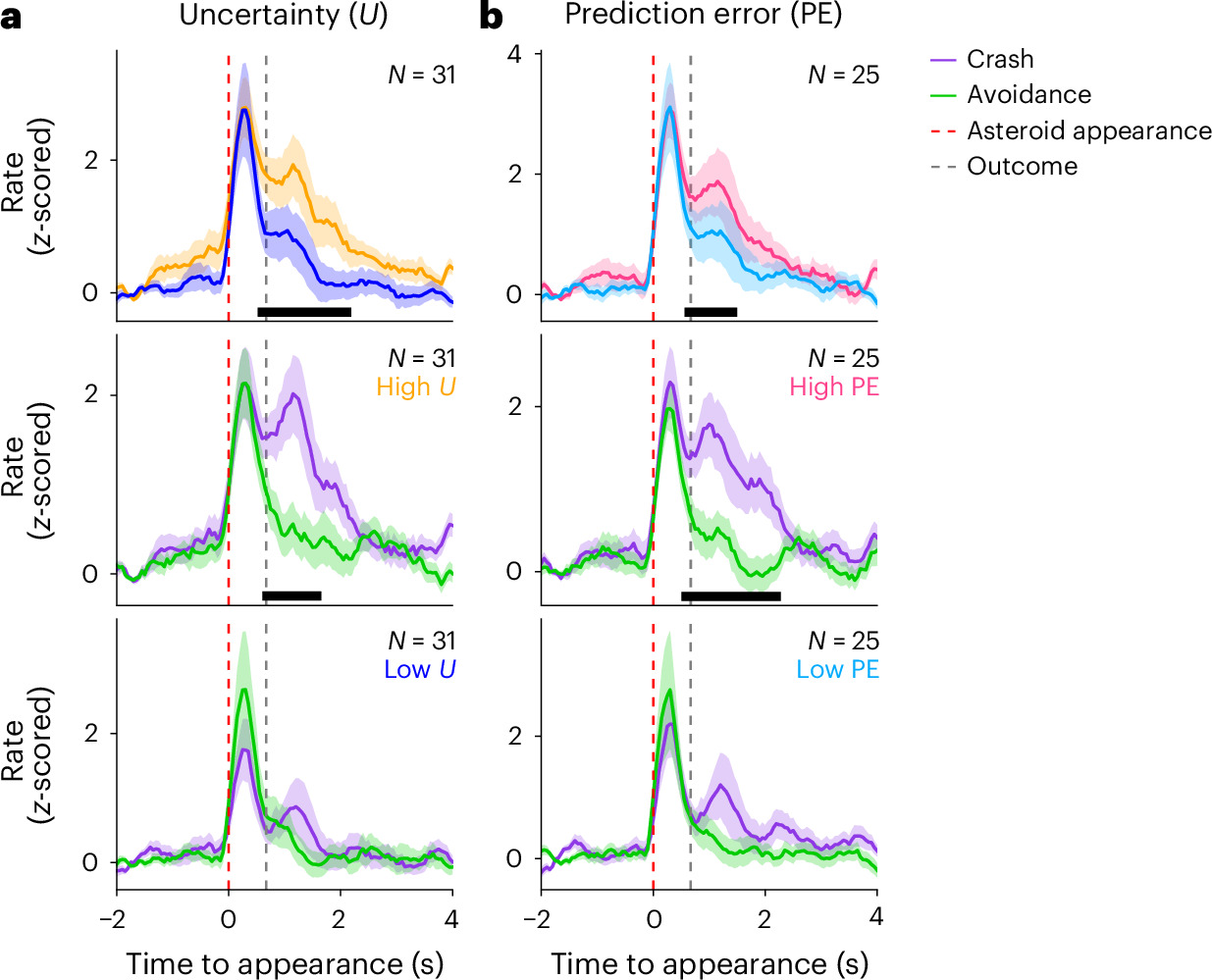
Single-neuron recordings directly demonstrate that the human claustrum tracks uncertainty and prediction errors during coherent behavior. This finding indicates that the claustrum assumes functions distinct from those of the anterior cingulate cortex and plays a separate role in belief updating. |
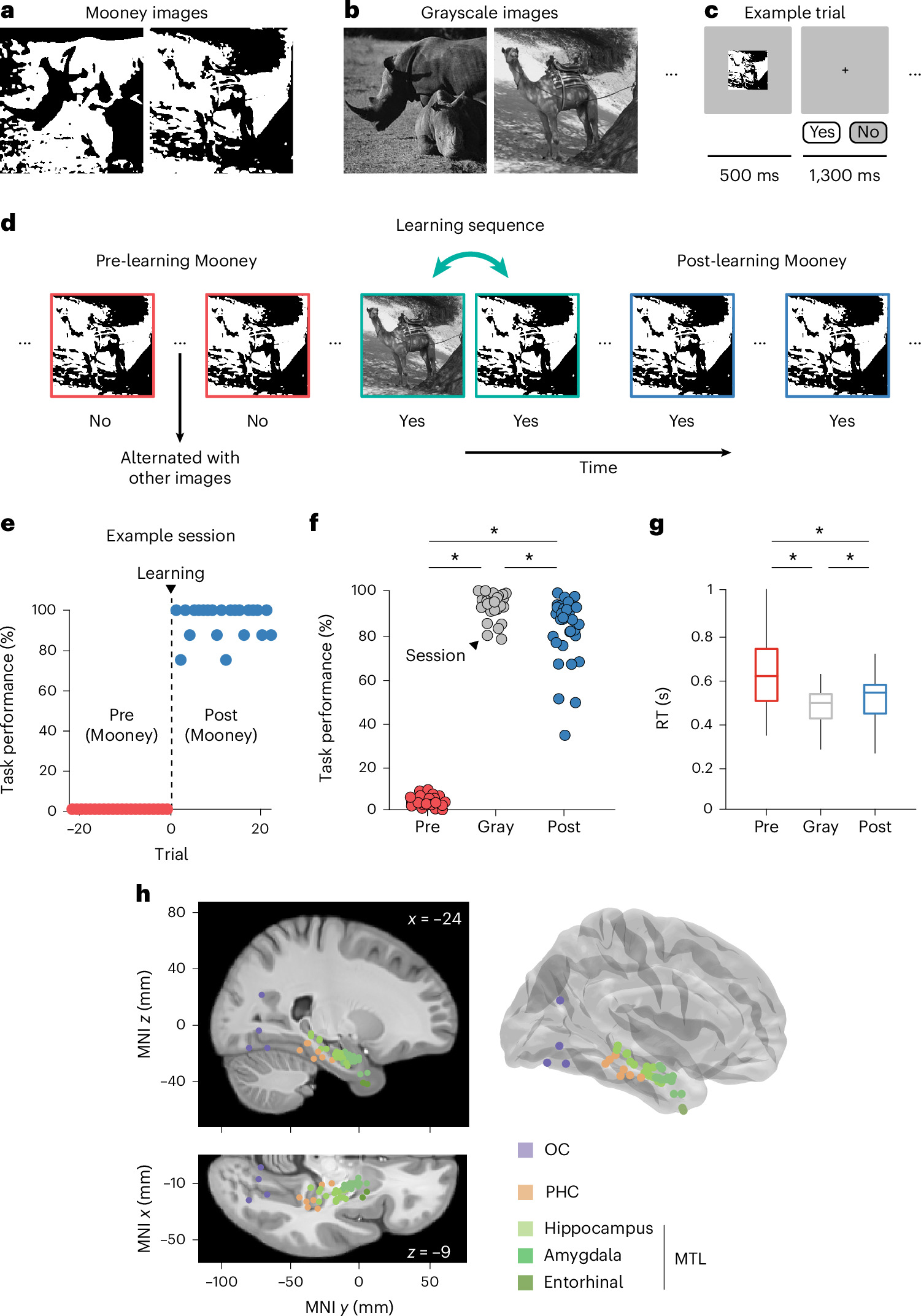
The research shows how single neurons in the human brain transform perception by coding rapidly learned visual information. This finding offers biological constraints for few-shot visual learning models. |
Fun & Curious
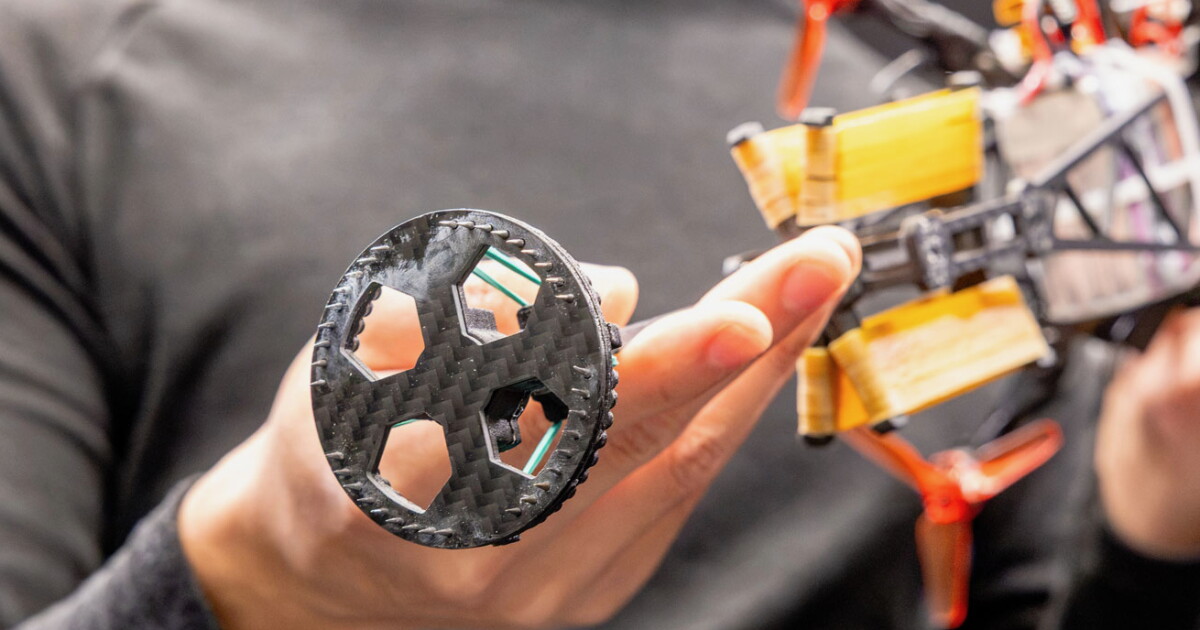
Researchers at the University of Toronto developed a flexible foot pad to solve Hopcopter’s instability issues on sand, ice, and sloped surfaces. This innovation reduces the robot’s performance variability across different terrains by 84%, ensuring a more consistent landing. |
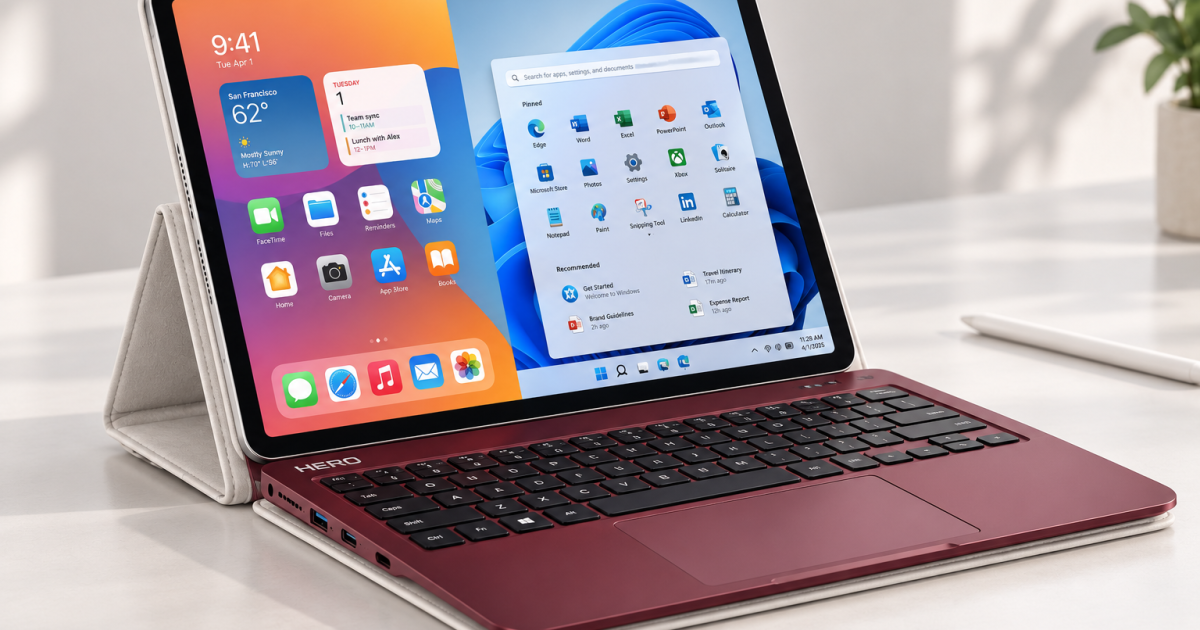
Hero Devices' new product is designed as a portable keyboard that houses a full Windows 11 computer. The device was developed to utilize existing tablet, monitor, or TV screens via a USB-C connection. |
FOLLOW
Get new issues in your feed reader — add this to an app such as Feedly, Inoreader or NetNewsWire. Follow by RSS |