 AI generates fake scientific papers, straining verification systemsFake articles generated by artificial intelligence are threatening the integrity of peer-reviewed publication processes and the reliability of information sources such as Wikipedia. As evolving models become more convincing, publishers and volunteer editors are finding it increasingly difficult to detect this content. |
AiPulse — Issue No. 106
COVER
Pulse
AI chatbots pose serious safety risks in outdoor activities such as mountaineering and camping by providing misleading information. Experts point out that these tools create "cognitive surrender," which weakens users' critical thinking abilities and leads to errors that can pose life-threatening dangers. |

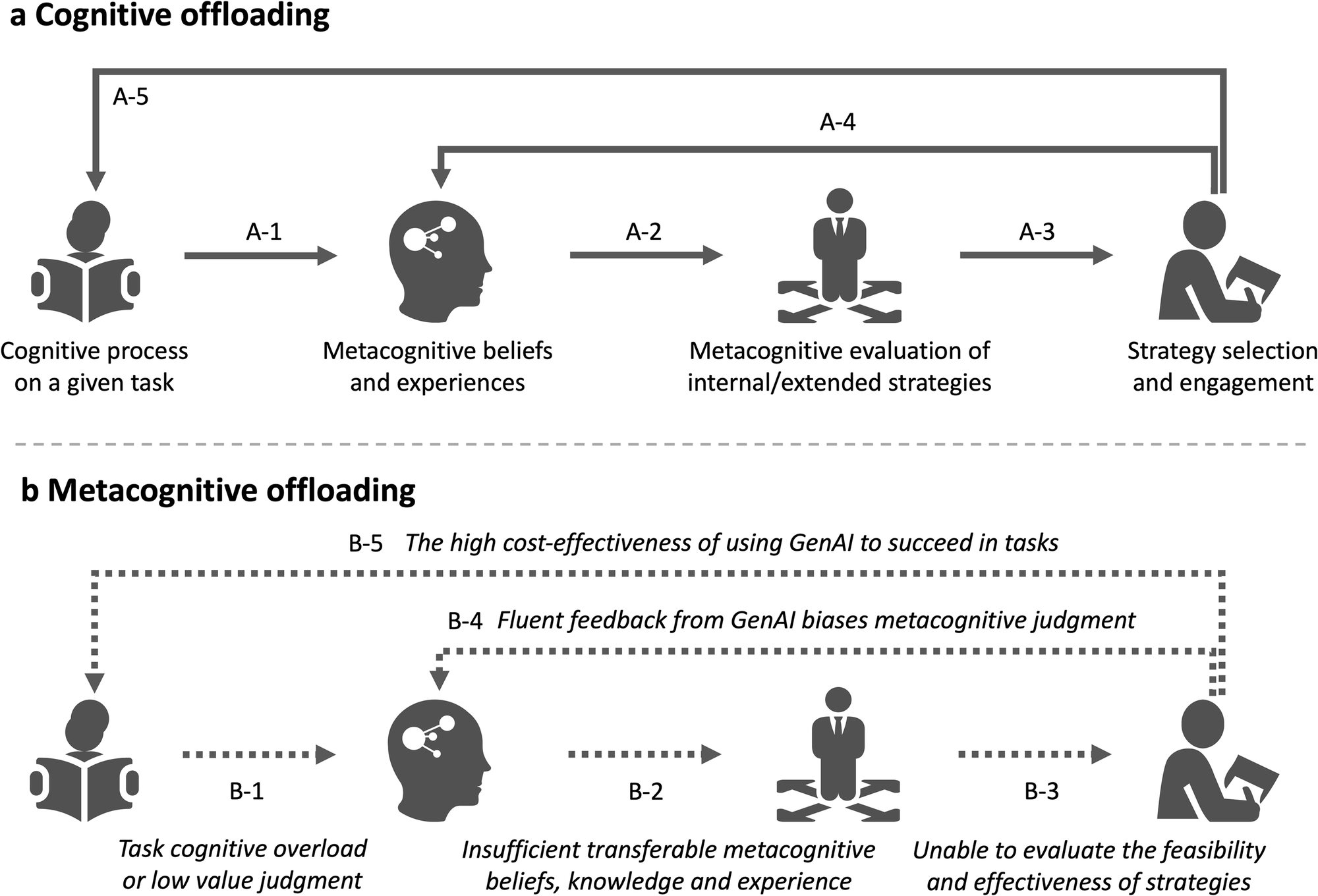
The study highlights that while generative AI can enhance short-term performance, it may undermine durable learning. The proposed SYNC model offers strategies that support metacognitive awareness to manage this risk. |
At Work
Bjarke Ingels Group and to.org have unveiled a masterplan for the Bidi Bidi settlement in Uganda that conceives refugee areas as long-term cities rather than temporary camps. The project offers a scalable structure that centers economic opportunities through local materials and productive infrastructure. |

TechCrunch editors argue that the statements by AI company CEOs, which are disconnected from everyday life, point to both a product and a marketing problem. It is emphasized that the sector’s effort to optimize basic human interaction has created a negative impact on society and that this approach does not align with the average user. |

Increasing urban density is turning balconies into spaces limited in terms of privacy and comfort. This situation causes private outdoor spaces to become disconnected from urban life and to serve as repetitive marketing tools. |

Building Blocks
Kyle Kingsbury: Large language models erode software trustKingsbury argues that large language models (LLMs) have undermined trust in documentation and software. Engineers may need to approach new projects with skepticism, as it has become easier to mimic the signs of mature systems. |
Global Lens
Google, for the first time, returned data from space by running the Gemma 4 model on a satellite in orbit as part of the Suncatcher project. This trial is seen as the first step in the strategy of moving artificial intelligence data centers to space to power them with solar energy. |
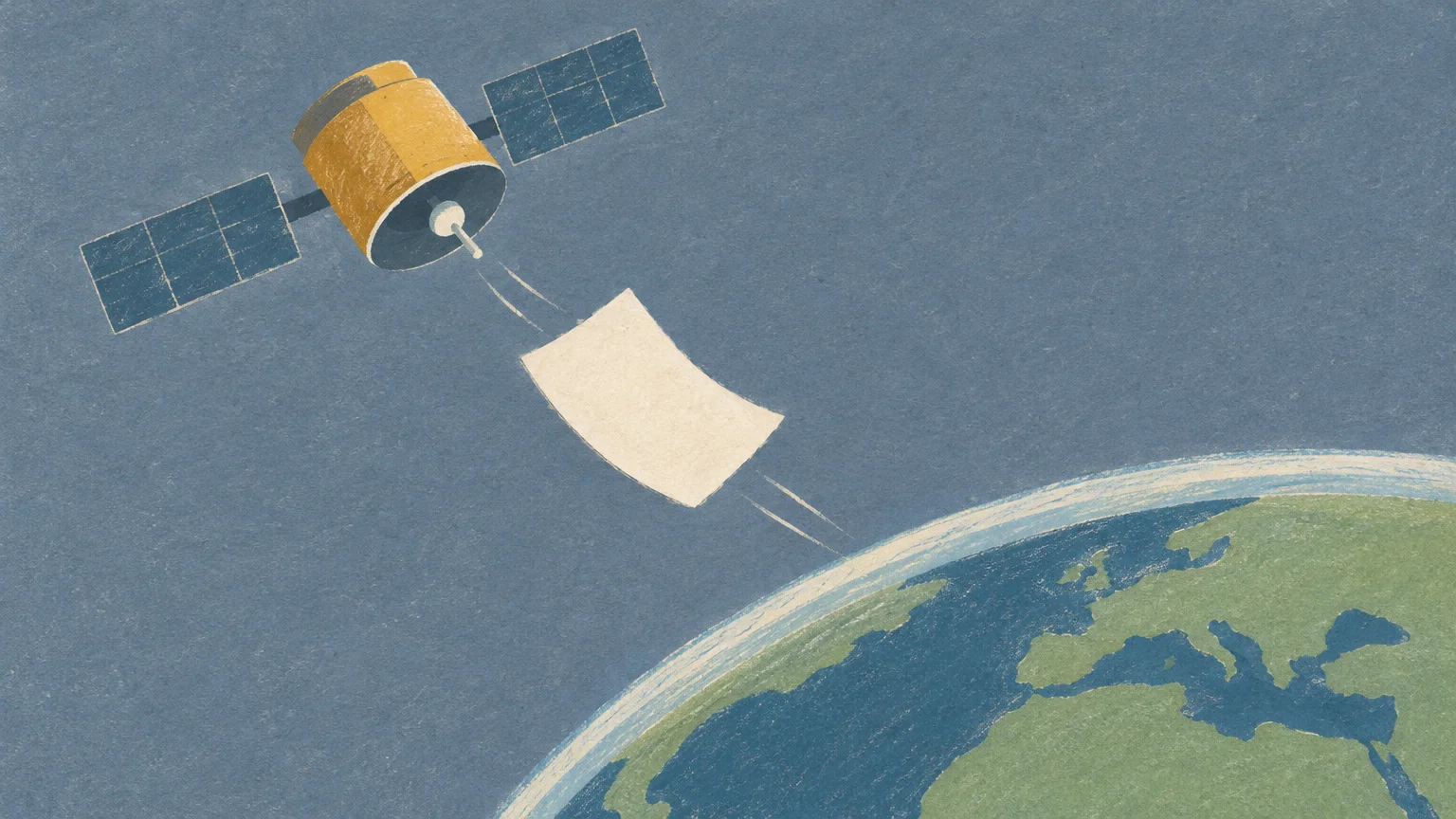
This free and open-source large language model (LLM) operates without an internet connection, providing answers on first aid and survival topics with cited sources. Developers note that the model has a higher error rate on low-spec computers and that its energy consumption could be a disadvantage in emergencies. |
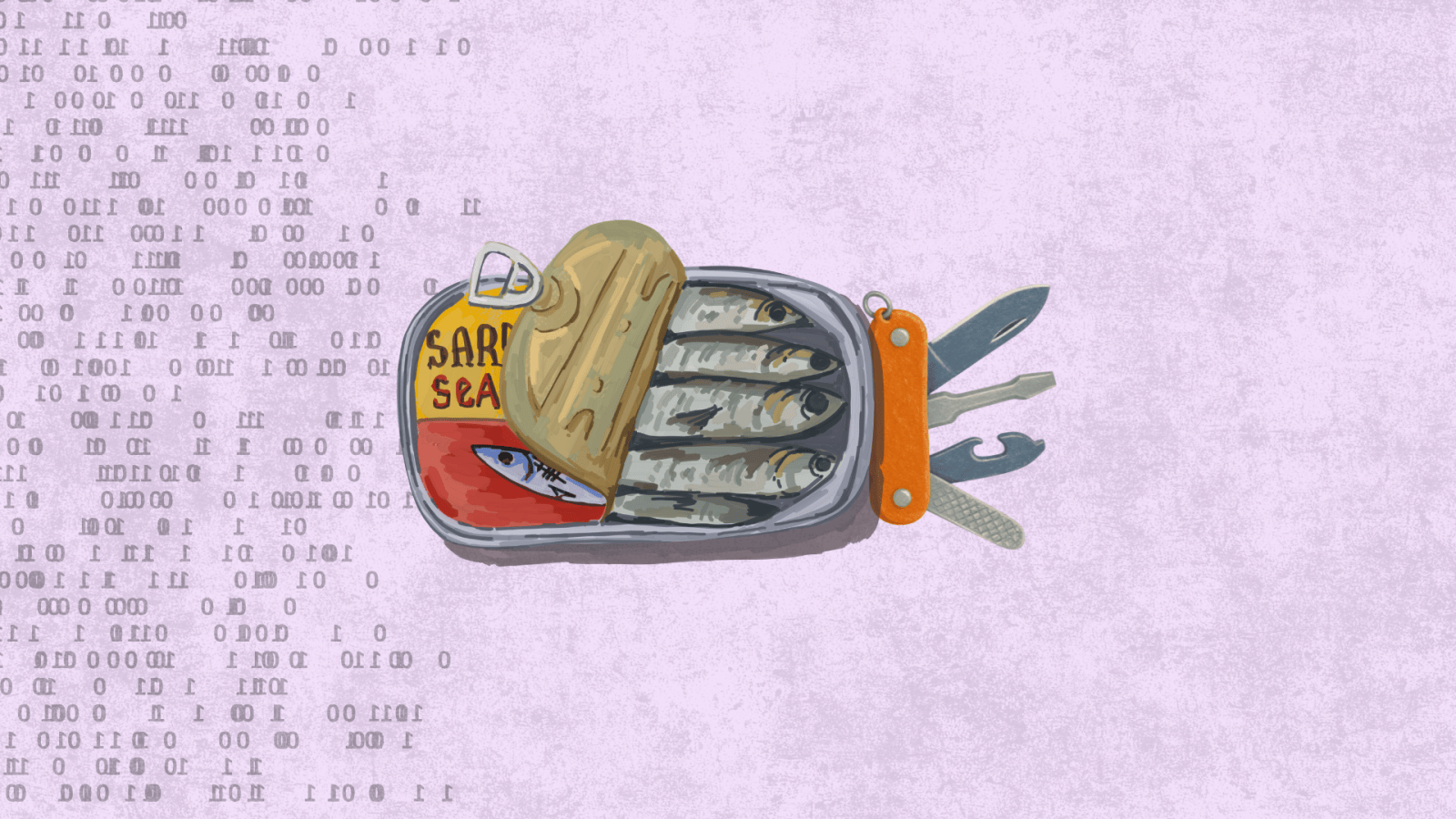
Oracle is offering new products that automate cross-system business processes by integrating OpenAI models with its own cloud infrastructure. Additionally, a free starter package is provided that includes a $12,000 annual cloud credit for small businesses. |
The Lenovo Yoga 9n outperformed the 5,500-euro Mac Studio in local AI coding tests. However, the device's limited 64 GB of memory restricts the speed advantage in larger models. |

Fun & Curious
Beijing-based NeodraDynamics showcased its 4-meter Neo1 hydraulic electric humanoid robot, designed for hazardous tasks in heavy industry and rescue operations, in Shanghai. The company states that it aims to deploy the robot in industrial fields by mounting it on a wheeled base before it achieves autonomous walking capabilities. |

FOLLOW
Get new issues in your feed reader — add this to an app such as Feedly, Inoreader or NetNewsWire. Follow by RSS |