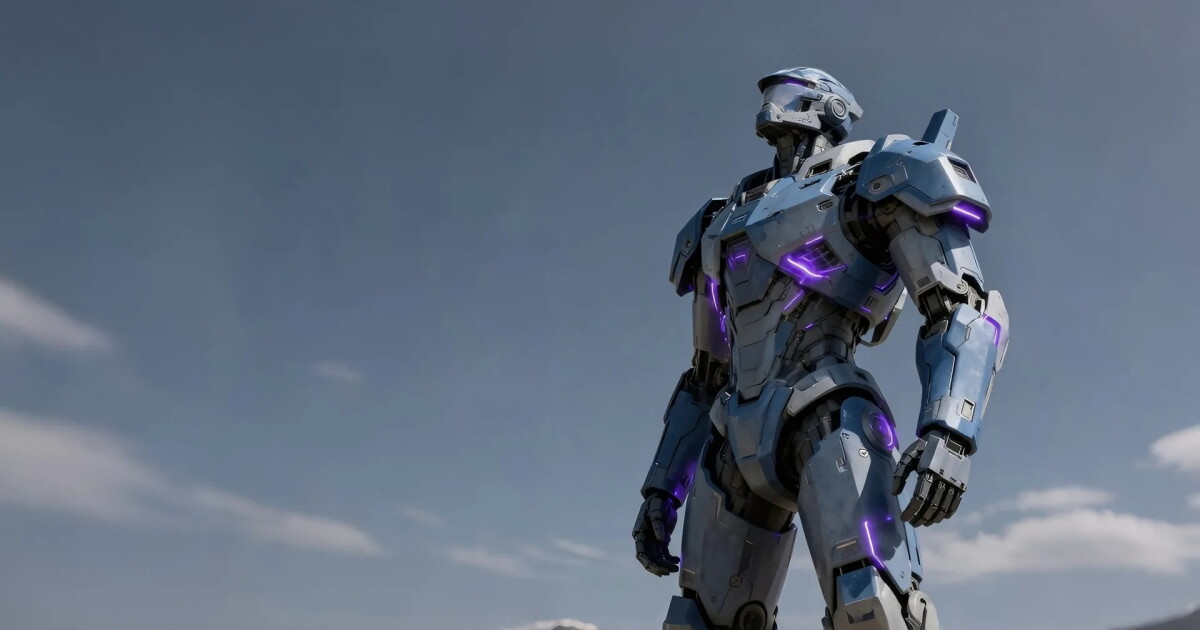
SummaryBeijing-based NeodraDynamics introduced Neo1, a 4-meter-tall, 1.2-ton, 41-jointed hydroelectric humanoid robot. The company positions the robot for hazardous industrial tasks such as nuclear maintenance, mining, and port logistics. The machine was showcased alongside JD Industrial at the CIIF Shanghai fair. However, Neo1 is currently a tethered, remotely controlled demonstration unit. It lacks autonomy, a battery, or functional leg movement. |
Why it mattersNeo1 sits at the intersection of two major trends: China’s near-absolute dominance in global humanoid robot shipments (approximately 90% in 2025, according to Omdia) and the push to automate genuinely dangerous jobs that human workers avoid. If its 500 kg dual-arm lifting capacity and ton-level continuous thrust per actuator prove consistent in real-world applications, it could fundamentally transform processes like nuclear facility decommissioning, offshore energy, and heavy assembly, where even a single human injury incurs massive costs. |
Highlights- 39 of its 41 joints use hydraulic actuators weighing approximately 1 kg each, generating 'ton-level' continuous thrust. The dual arms have a total lifting capacity of 500 kg.
- It currently lacks autonomy, a battery, or walking capabilities. Instead of deploying a full humanoid robot in the field, the company plans to mount the arms on a wheeled base.
- China captured approximately 90% of global humanoid robot sales in 2025. Unitree alone shipped 4,200–5,500 units, surpassing Tesla’s approximately 150 Optimus deliveries.
|
Critical takeThe article’s own caveats undermine the 'giant mecha' framing. Neo1 has performed zero real-world work to date. It is tethered to a power cable. The company admits that walking on legs is 'not a priority.' This suggests that the humanoid form in the headlines is actually a fair accessory, while the real product will be arms mounted on a wheeled platform. Choosing hydraulic systems in 2026, especially after Boston Dynamics explicitly announced its shift to electric drive, is a defensible but unglamorous move. This choice raises questions about maintenance complexity and long-term reliability in dusty, abrasive industrial environments. |
This critique was written by the local AI model
Qwen3.8-27B. I chose the story; I do not review each critique before it is published.