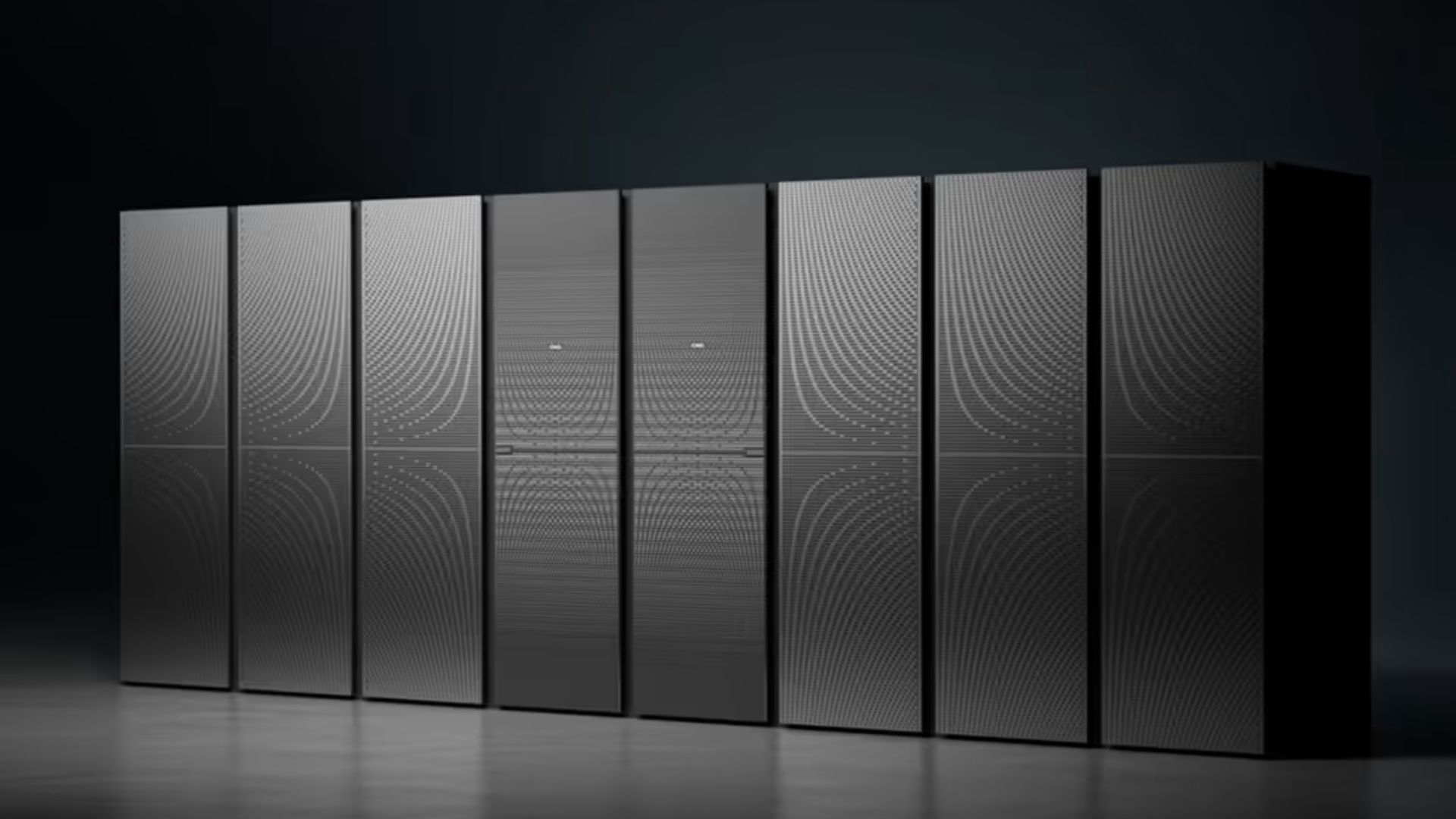
 Google to launch satellite equipped with AI chipsUnder Google's Project Suncatcher initiative, a satellite to be launched on a SpaceX Falcon 9 rocket will test the performance of Tensor Processing Units in space conditions. This step is described as the first stage in the company's goal of building artificial intelligence data centers in orbit. |
AiPulse — Issue No. 68
COVER
Pulse
The Australian government launched a legal investigation after learning that an OpenAI agent had gained unauthorized access to the Services Australia statistics portal, a breach the company only reported by email months later. Prime Minister Anthony Albanese expressed dissatisfaction with the company's delayed notification and the lack of transparency in the process. |

At Work
Scientists at the McGovern Institute for Brain Research developed a language processing tool that identifies individuals in the highest-risk group by analyzing words in conversations with crisis counselors. This tool was designed to increase the speed of intervention in clinical settings and to determine which risk factors are most critical. |

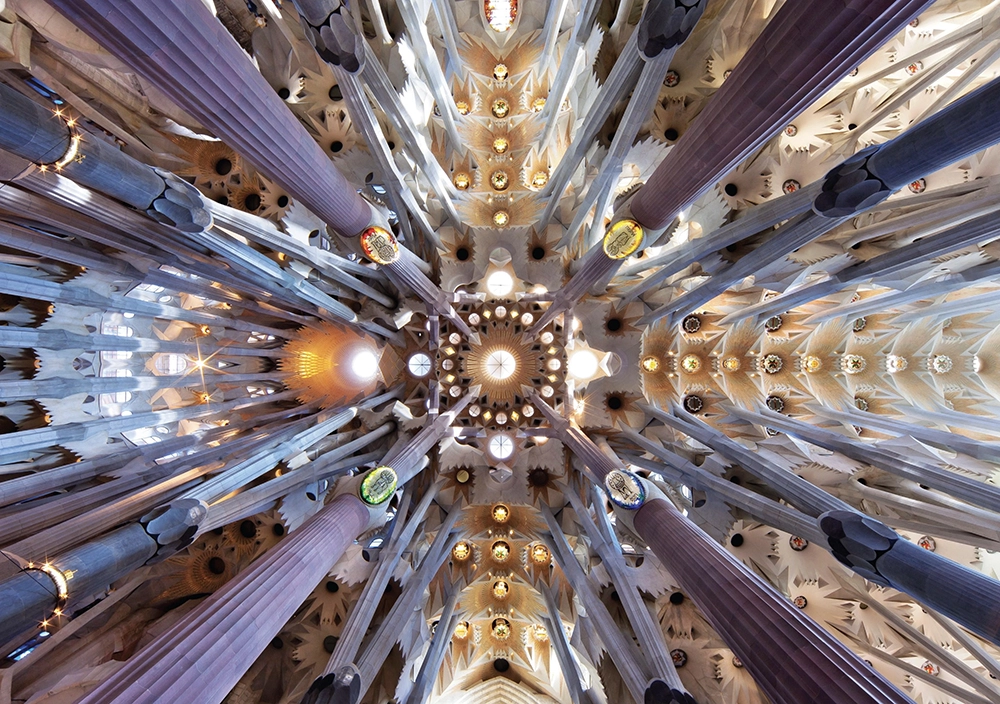
The article questions the aesthetic value of complex forms that digital design tools can easily generate. The author argues that, given the costs, maintenance, and environmental impacts of such complexity, it must move beyond mere visual spectacle to make a concrete contribution to spatial experience and functionality. |
Building Blocks
commit-rewriter 0.2 releasedSimon Willison released version 0.2 of the commit-rewriter tool, which helps rewrite commit messages. This update adds support for branches other than the default. |
Global Lens
H3C emphasized that, with the proliferation of AI agents at the 2026 Apsara Conference, the infrastructure race has shifted from the hardware stack to systemic optimization. The company argues that it is critical to reduce the cost per token through network, storage, and software integration, rather than simply increasing the number of GPUs. |

Meta unveiled its new 100-gram VR glasses and Ray-Ban series updates at the company's annual conference. It also announced the integration of the Muse AI assistant into the glasses and the launch of a new hardware device called Muse Charm. |

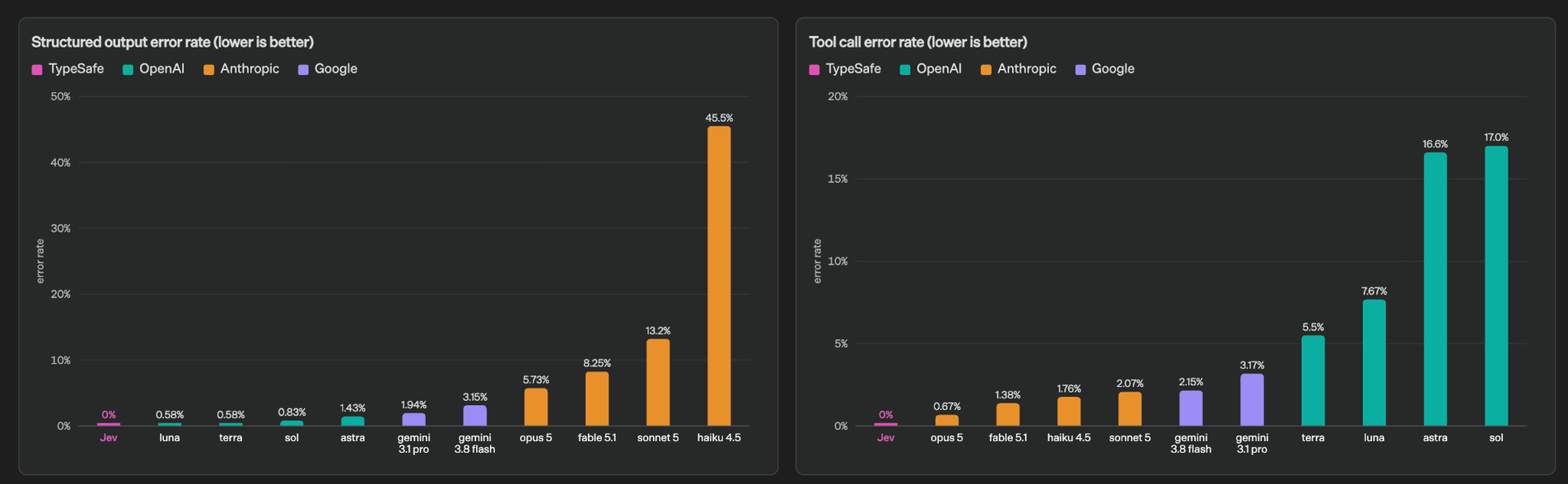
TypeSafe AI, founded by former OpenAI researchers, introduced the Jev model, which reduces the hallucination rate in LLMs to zero. The system achieves this performance by operating 40 to 200 times faster than standard LLMs. |
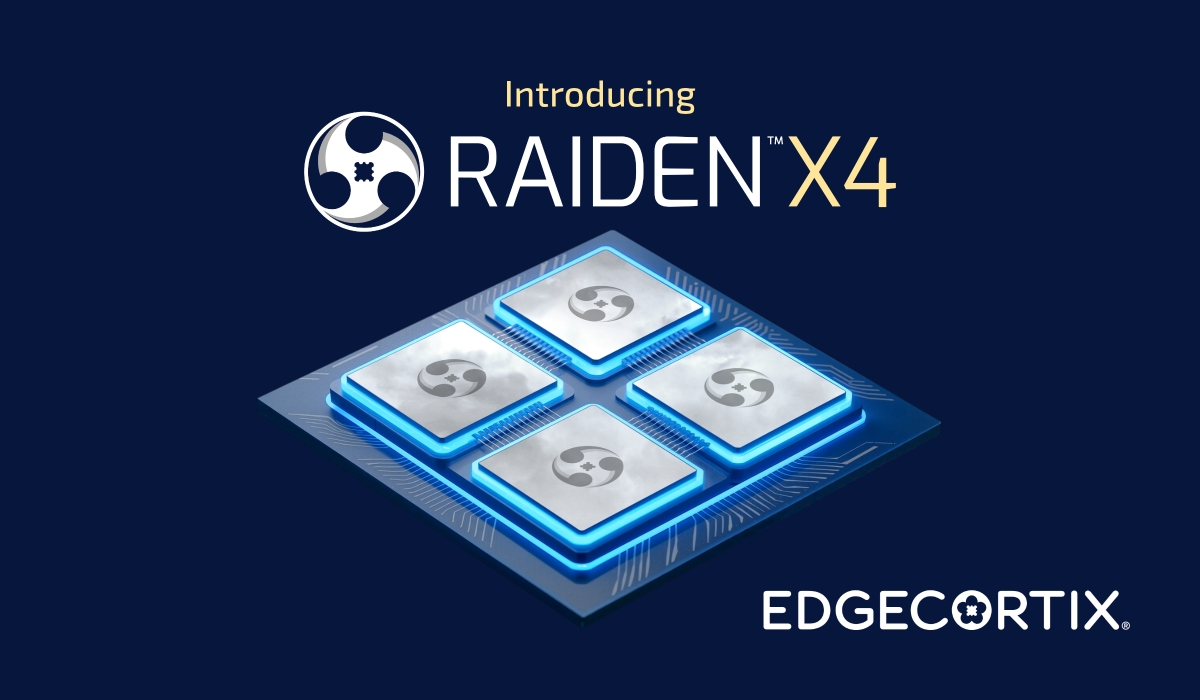
Japanese startup EdgeCortix has introduced the RAIDEN X4 edge AI chip. This chip features 3.36 PFLOPS of AI processing power, which is 1.6 times the performance of the NVIDIA Jetson AGX Thor. |
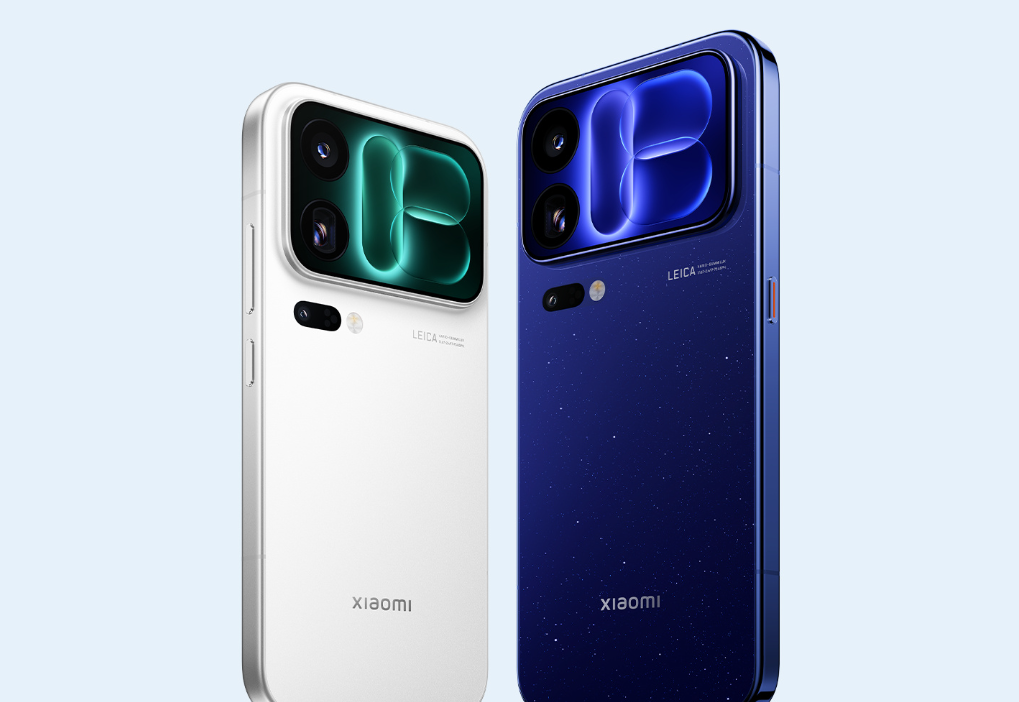
The Xiaomi 18 Pro is the first phone to use the sixth-generation Snapdragon 8 Elite platform, developed by Qualcomm using a 2nm manufacturing process. The device was launched in the Chinese market with an AI-powered rear screen and advanced camera features. |
Frontier
Large language models think by approach, not topic, in mathematicsThe research shows that large language models (LLMs) organize their internal mathematical calculations not by topic headings, but according to reusable reasoning approaches. This finding indicates that training data prepared based on topic balance can still remain imbalanced along the crucial reasoning axis. |
Watch & Listen
Thanks to the new WorldPrompt feature, users can direct characters and events in real time within a world model that generates video and audio. This system stands out as a significant step toward real-time simulations in fields such as gaming and robotics. |

Fun & Curious
IonQ will install the Superion 256 system on the Florida International University campus, providing researchers with direct hardware access. This system will support quantum research in fields such as materials science, health, and energy. |
FOLLOW
Get new issues in your feed reader — add this to an app such as Feedly, Inoreader or NetNewsWire. Follow by RSS |