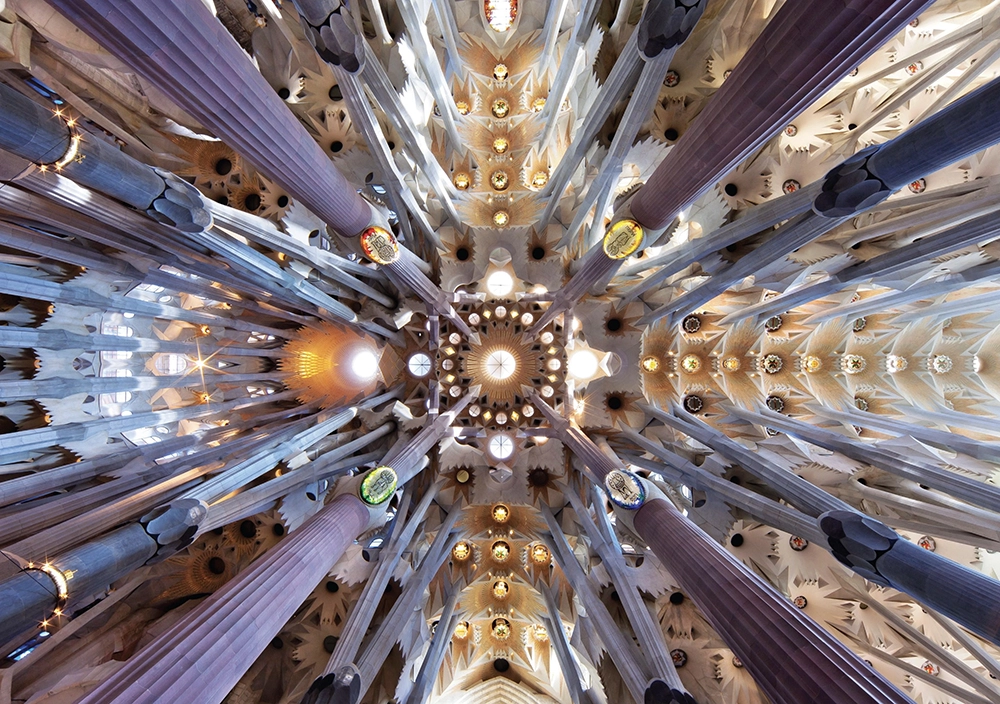
 Can Beauty Justify Complexity?Read the article |
SummaryThe adoption of digital complexity in contemporary architecture mistakenly interprets the ease of producing complex forms as a justification for their creation. Beauty must be defended not only by visual novelty but also by functional, environmental, and experiential value. |
Why it mattersParametric tools and artificial intelligence are lowering the threshold for producing geometrically complex buildings. This creates a risk of the sector confusing computational capacity with architectural meaning. The text forces a confrontation with the material, energy, and maintenance costs of 'expensive visual theater' during a period of increasing sustainability pressures. It also questions the 'economy of landmark architecture,' where photogenic silhouettes replace spatial and social depth. |
Highlights
|
Critical takeThe article's implicit hierarchy assumes that pre-digital complexity was 'organized by understandable logic' while digital complexity is suspect. This is a somewhat nostalgic framework that ignores the fact that Gothic and Baroque masters were also constrained by the manufacturing limits of their time. The text also fails to seriously engage with examples where computational optimization (structural, thermal, acoustic) produces genuinely superior performance rather than mere visual spectacle. The argument would be stronger if it directly addressed the strongest pro-complexity case, rather than relying on straw men like 'twelve software packages.' |