 MIT, disiplinler arası yapay zeka eğitimi için pilot atölye başlattıMIT launches pilot workshop for interdisciplinary AI educationHabere gitRead the article Türkçe (otomatik çeviri) English (automatic translation) |
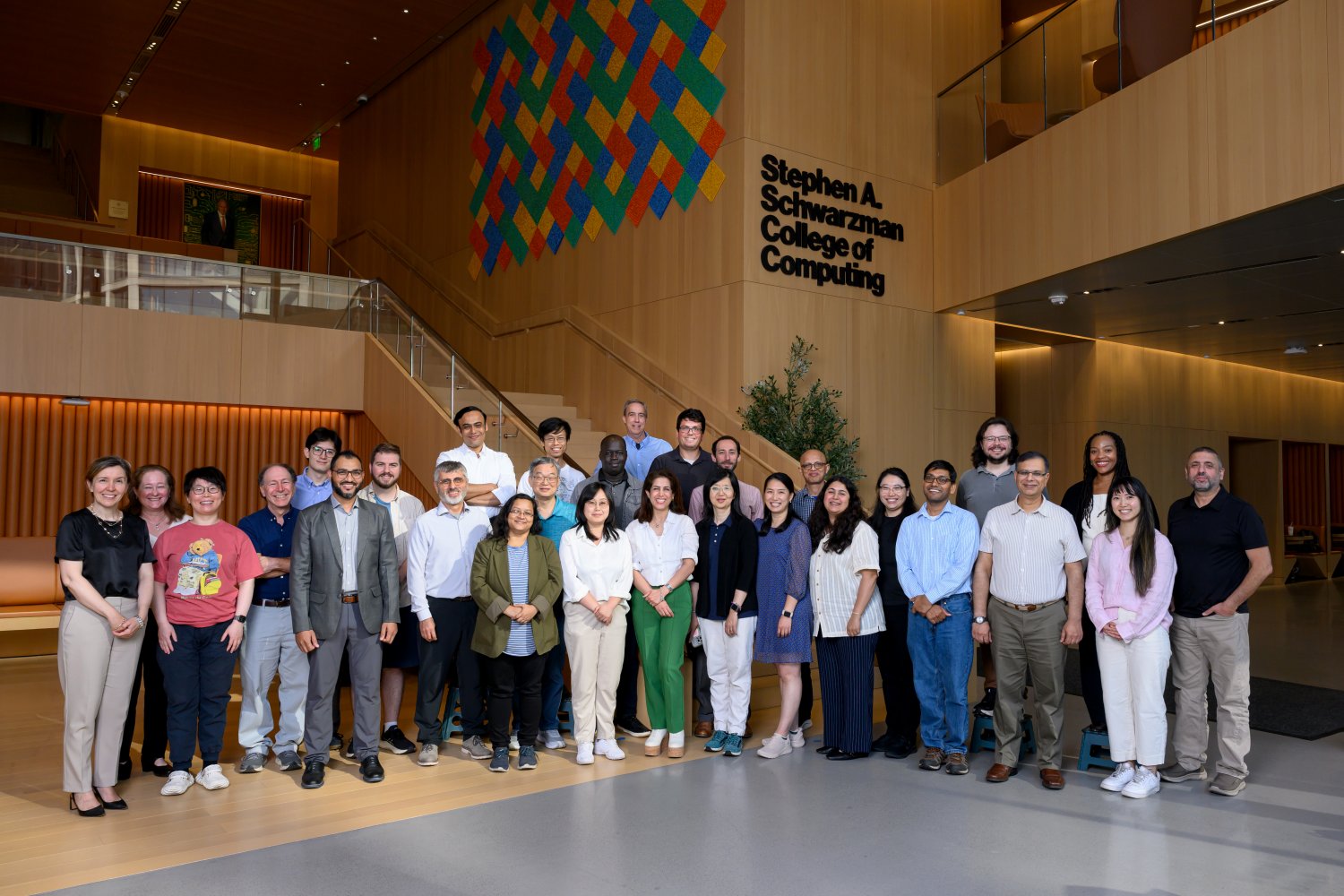
ÖzetSummaryMIT Schwarzman Bilgisayar Bilimleri Fakültesi, Temmuz 2026'da ABD'den yedi kurumdan 19 akademisyeni bir haftalık pilot atölye için ağırladı. Amaç, bu akademisyenlerin MIT'nin 'Makine Öğrenmesi ile Modelleme' ders materyallerini kendi alanlarına özgü sınıflara uyarlamalarına yardımcı olmaktı.The MIT Schwarzman College of Computer Science hosted 19 academics from seven US institutions for a one-week pilot workshop in July 2026. The goal was to help these academics adapt MIT's 'Modeling with Machine Learning' course materials to their specific disciplinary contexts. |
Neden ÖnemliWhy it mattersYapay zeka disiplinler arası bir okuryazarlık haline geldikçe, asıl darboğaz artık teknik içeriğe erişim değil. Sorun, bilgisayar bilimleri dışındaki eğitmenlerin bu içeriği alanlarına özgü bağlam ve eleştirel çerçeveyle öğretme kapasitesinde yatıyor. MIT'nin 'eğitmenleri eğitme' modeli, yükseköğretimdeki gerçek bir altyapı açığını hedefliyor. Siyah kutu tüketimi yerine diyaloğa verilen önem, pedagojik açıdan sağlam bir duruş.As artificial intelligence becomes an interdisciplinary literacy, the primary bottleneck is no longer access to technical content. The challenge lies in the capacity of non-computer science educators to teach this content within their specific contexts and critical frameworks. MIT's 'train the trainers' model targets a genuine infrastructure gap in higher education. The emphasis on dialogue over black-box consumption represents a pedagogically sound stance. |
Öne ÇıkanlarHighlights
|
EleştiriCritical take19 akademisyen için tek bir haftalık atölye mütevazı bir müdahale. Makale, katılımcıların derslerini gerçekten yeniden yapılandıracağına ya da bu modelin MIT gibi iyi kaynaklara sahip bir kurumun ötesine geçip geçemeyeceğine dair hiçbir kanıt sunmuyor. 'Eleştirel düşünme' ve 'yapay zekayı sıradanlaştırma' vurgusunun tekrarlanması, risk taşıyor. Bu vurgu, yükseköğretim genelinde yapay zekanın nasıl öğretildiğine dair ölçülebilir bir değişimden çok kurumsal bir marka imajına dönüşebilir.A one-week workshop for 19 academics is a modest intervention. The article provides no evidence that participants will actually restructure their courses or that this model can scale beyond well-resourced institutions like MIT. The repeated emphasis on 'critical thinking' and 'normalizing AI' carries risk. This focus may shift from measurable changes in how AI is taught across higher education to becoming merely a corporate brand image. |