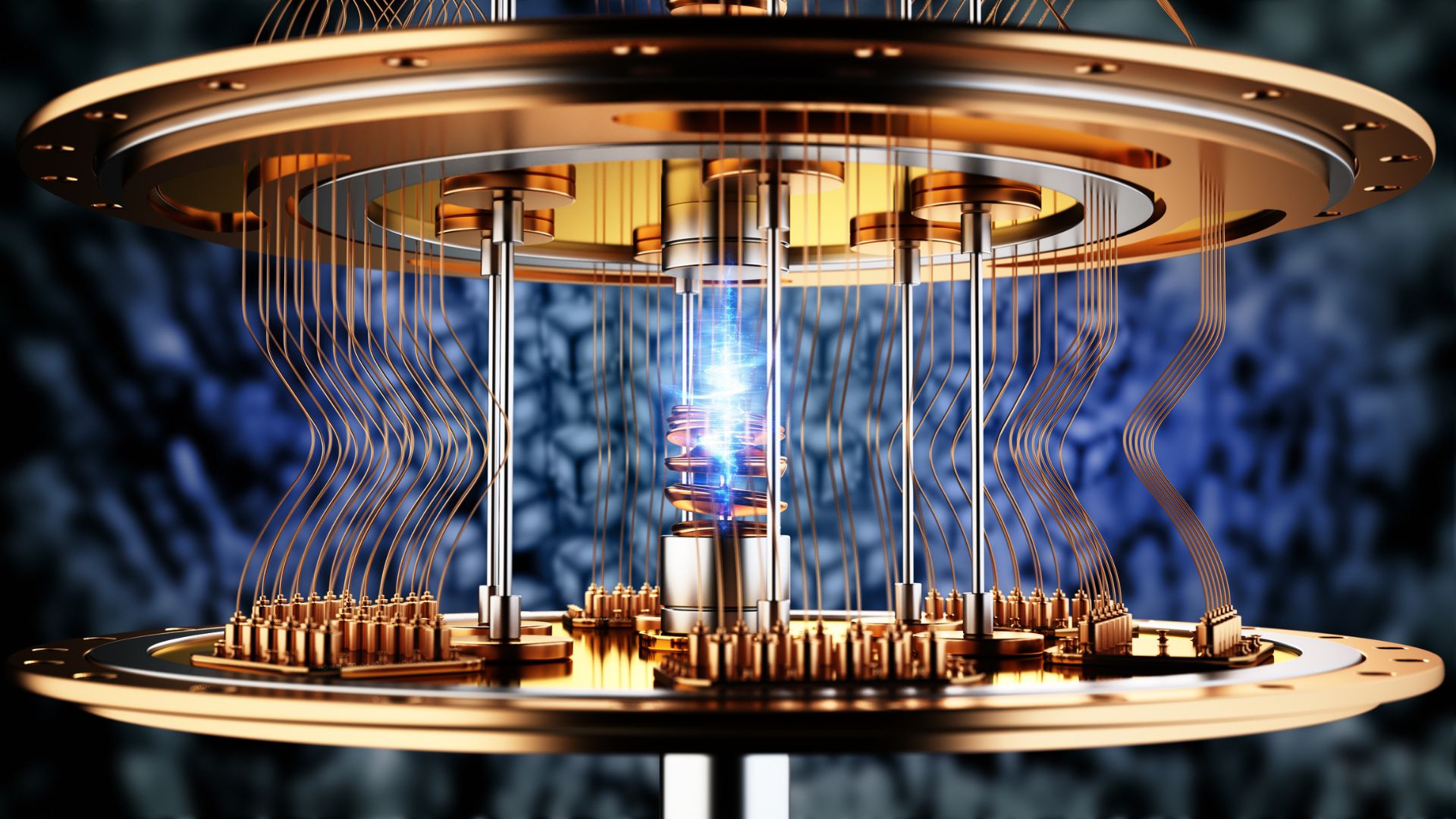
 Imec, süper iletken devrelerde dünya rekoru kırdıImec sets world record in superconducting circuitsHabere gitRead the article Türkçe (otomatik çeviri) English (automatic translation) |
ÖzetSummaryImec, 2026 Uygulamalı Süperiletkenlik Konferansı'nda, santimetrekarede 3,8 milyon Josephson bağlantısı ve 30 nanometre NbTiN teller içeren dünyada ilk kez bu yoğunlukta bir süperiletken devre sundu. Şirket, bu sonuçların yüksek performanslı hesaplama ve veri merkezi iş yüklerine ölçeklenebileceğini öne sürüyor.At the 2026 Applied Superconductivity Conference, Imec presented the world's first superconducting circuit featuring a density of 3.8 million Josephson junctions per square centimeter and 30-nanometer NbTiN wires. The company claims these results can scale to high-performance computing and data center workloads. |
Neden ÖnemliWhy it mattersSüperiletken mantık, CMOS yoğunluğuna ulaşırken sinyal başına enerji tüketimini büyük ölçüde azaltabilir. Bu durum, yapay zeka ve HPC veri merkezlerini yavaşlatan güç duvarını doğrudan ele alır. Standart 300 mm pul süreçlerinin ve 2,5B/3B entegrasyon yol haritalarının kullanılması, Imec'in bu teknolojiyi bir laboratuvar merakı değil, üretilebilir bir platform olarak konumlandırdığını gösteriyor. Bu yaklaşım, uzun vadeli hesaplama mimarisi tartışmasını yeniden şekillendirebilir.Superconducting logic can significantly reduce energy consumption per signal while reaching CMOS-like densities. This directly addresses the power wall that slows down AI and HPC data centers. The use of standard 300 mm wafer processes and 2.5D/3D integration roadmaps indicates that Imec is positioning this technology not as a laboratory curiosity, but as a manufacturable platform. This approach could reshape the long-term debate on computing architecture. |
Öne ÇıkanlarHighlights
|
EleştiriCritical takeYazıdaki her performans iddiası 'olabilir' veya 'yapabilir' gibi ifadelerle yumuşatılmış. Makale, bir konferans sunumunun ikincil bir haberi olduğu için kıyaslama verisi, mevcut süperiletken veya CMOS sistemleriyle karşılaştırma ve zaman çizelgesi sunmuyor. Tek gerçek kısıt olan kriyojenik soğutma tek cümlede kabul edilip ardından tamamen göz ardı ediliyor. Okuyucuya geriye sadece bir yoğunluk rakamı ve bolca beklenti kalıyor.Every performance claim in the article is softened with phrases like 'could' or 'can.' Since the article is a secondary report on a conference presentation, it provides no benchmark data, comparisons with existing superconducting or CMOS systems, or a timeline. The only real constraint, cryogenic cooling, is acknowledged in a single sentence and then completely ignored. Readers are left with just a density figure and a lot of hype. |