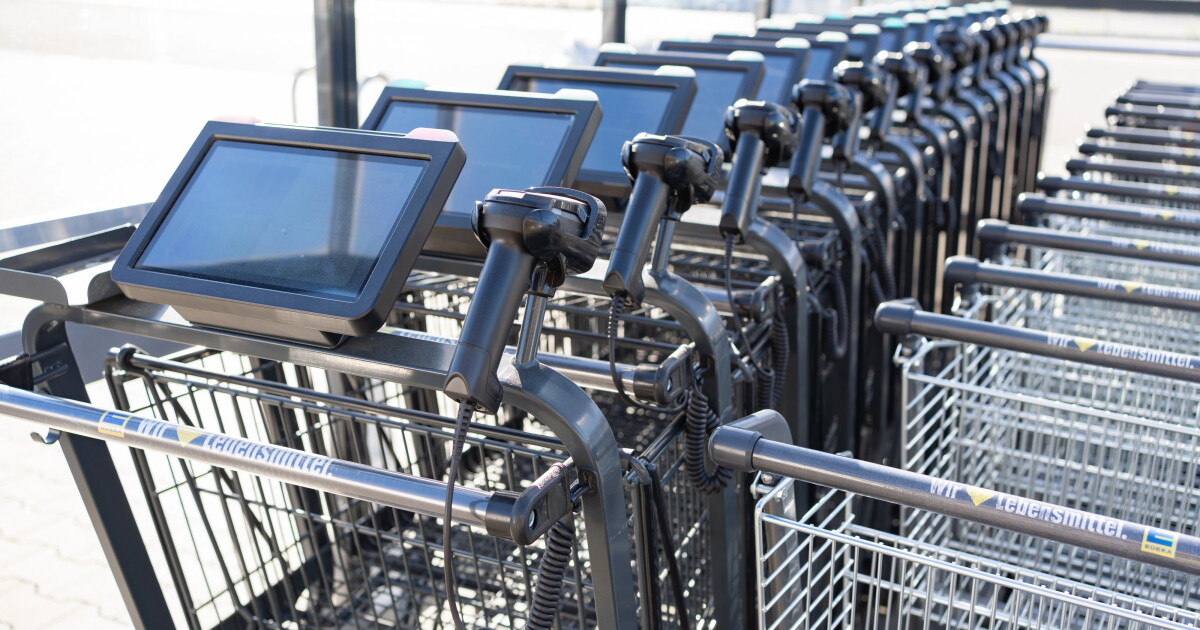
 Yapay zekâ destekli alışveriş arabası kullananlar süpermarketlerde %32 daha fazla harcıyorAI-powered shopping cart users spend 32% more at supermarketsHabere gitRead the article Türkçe (otomatik çeviri) English (automatic translation) |
ÖzetSummaryBayes Business School'un Almanya'daki bir süpermarkette 12.418 alışveriş oturumunu incelediği çalışmaya göre, tabletli 'akıllı sepet' kullanan tüketiciler, normal sepet kullananlara kıyasla %32 daha fazla harcadı, %25 daha fazla ürün aldı ve mağazada %23 daha uzun süre vakit geçirdi. Ancak ekranla en çok etkileşime giren 'süper kullanıcılar' daha fazla ürün almasına rağmen daha fazla para harcamadı; bu durum, çalışmanın genel anlatısını bulanıklaştırıyor.A study by Bayes Business School analyzing 12,418 shopping sessions at a German supermarket found that consumers using tablet-equipped 'smart baskets' spent 32% more, purchased 25% more items, and spent 23% more time in-store compared to those using regular baskets. However, 'super users' who interacted most with the screen bought more items but did not spend more money, a nuance that complicates the study's overall narrative. |
Neden ÖnemliWhy it mattersPerakendeciler yapay zekâ destekli mağaza içi arayüzleri yaygınlaştırdıkça, bu çalışma doğrudan bir gelir artışı sağladığını nicel olarak ortaya koyuyor ve alışveriş sepetini yeni bir reklam yüzeyi olarak konumlandırıyor. Çalışma ayrıca bir tüketici koruması sorusunu gündeme getiriyor: Her öneri mağazanın kâr marjına göre tasarlanıyorsa, 'kolaylık' vurgusu, tüketicilerin nadiren sorguladığı ince bir yönlendirme ekonomisini maskeleyebilir.As retailers increasingly adopt AI-powered in-store interfaces, this study quantitatively demonstrates a direct revenue boost and positions the shopping basket as a new advertising surface. It also raises a consumer protection concern: if every recommendation is designed around the store's profit margin, the emphasis on 'convenience' may mask a subtle steering economy that consumers rarely question. |
Öne ÇıkanlarHighlights
|
EleştiriCritical takeÇalışma tamamen gözlemsel nitelikte olduğundan, %32'lik fark kendi kendine seçimden kaynaklanıyor olabilir. Teknolojiye yönelen kişiler, daha büyük ve daha rahat alışveriş yapan tüketiciler olabilir. Makale de nedensellik ile korelasyonu ayırt edemediğini kabul ediyor. Buna rağmen anlatı, 'perakendeciler için kasa sesi' yönünde ağırlık taşıyor. Süper kullanıcıların daha fazla ürün alıp aynı miktarda harcaması gibi bir anomali ise, satış artırma anlatısına gerçek bir meydan okuma olarak ele alınmak yerine göz ardı ediliyor.Because the study is purely observational, the 32% difference may stem from self-selection. Technology-oriented individuals might simply be consumers who shop more and more comfortably. The article acknowledges its inability to distinguish causality from correlation. Nevertheless, the narrative leans heavily toward a 'cash register sound' for retailers. An anomaly such as super users buying more items while spending the same amount is ignored rather than treated as a genuine challenge to the sales-boosting narrative. |