 Nvidia announces Blackwell Ultra GB300 and Vera Rubin AI chipsNvidia announced that it will launch Blackwell Ultra GB300 in the second half of this year, Vera Rubin in 2026, and Rubin Ultra in 2027. The company aims to solidify its leadership in AI infrastructure by significantly increasing inference speed and memory capacity with these new chips compared to current H100s. |
AiPulse — Issue No. 132
COVER
Pulse
German company Q.ANT has piloted its photonic processors, which work alongside GPUs to reduce energy consumption in complex calculations, at IONOS data centers. This new type of chip aims to lower heat generation and cooling costs by using light waves. |

In a clinical trial at the University of Utah, brain scans of a volunteer using a bionic hand directly connected to nerves are being monitored. This study aims to answer long-standing questions about how prosthetics alter brain structure and the nervous system. |

At Work
Dinesh Rai, who took on a prompt engineering role at Boston Children's Hospital, is focusing on integrating artificial intelligence into healthcare systems. This transition occurred as prompt writing lost its importance with the advent of evolving models and the development of clinical decision support systems became a priority. |

The article explains the process of identifying problems and improvement opportunities by observing users as they perform realistic tasks on the design. This method is a fundamental UX research technique necessary for product teams to understand user behavior and continuously improve the interface using observational data. |

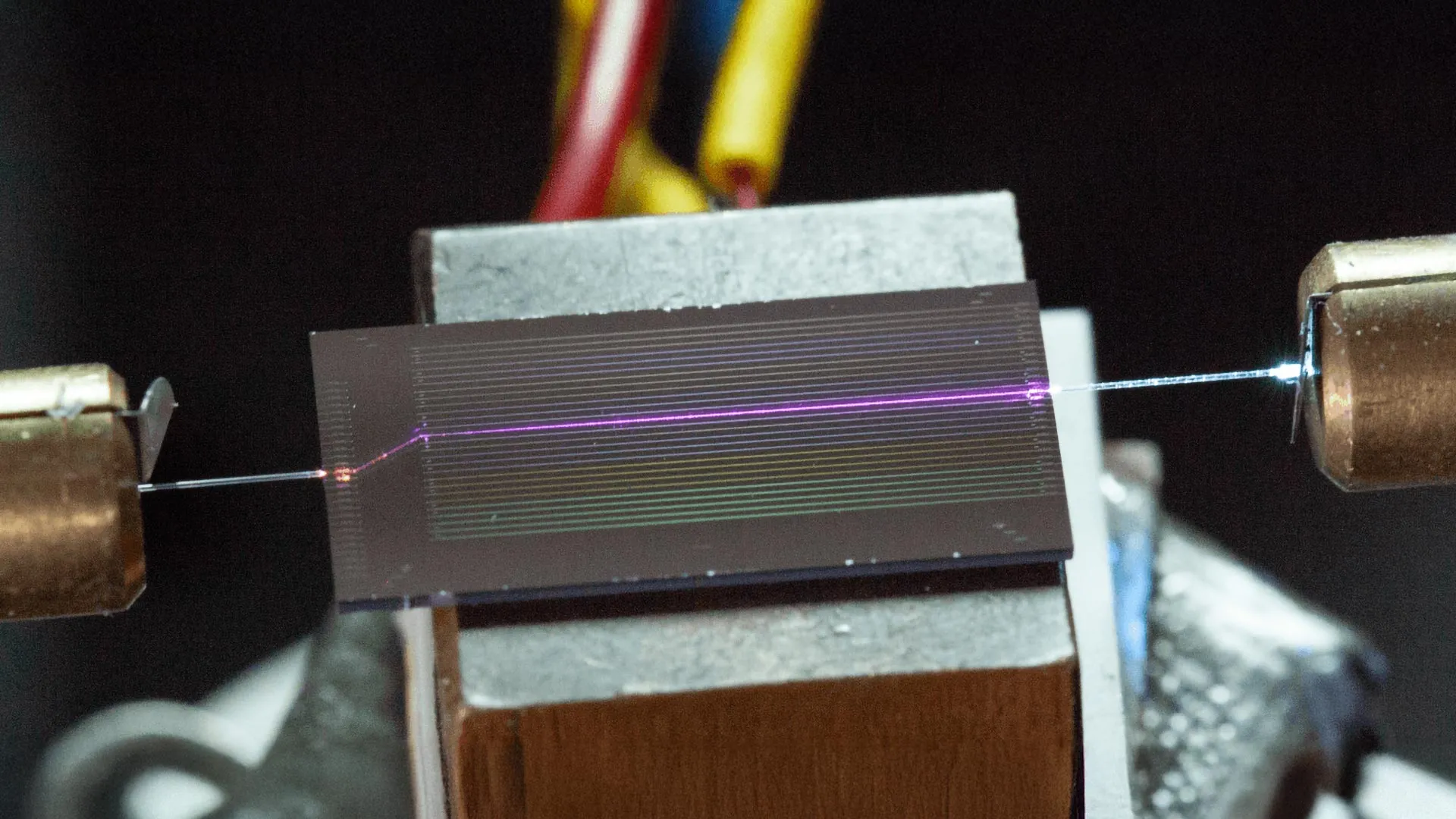
Harvard researchers have developed a photonic chip that converts red light into ultraviolet light and produces 120 times more power than previous similar devices. This breakthrough could enable quantum computers, atomic clocks, and environmental sensors to become more compact. |
Global Lens
XPeng announced that it will begin mass production of its IRON robot, which will be used as an in-store sales assistant in the first quarter of 2027. The company stated that the robot will be in a price range similar to that of an average electric vehicle. |

Starting in February 2027, Google will restrict AI agents' direct API access to Google Workspace services. With this change, agents will be required to operate through official MCP servers or command-line tools that can limit their permissions. |

Former OpenAI researcher Scott Aaronson argues that the capacity of artificial intelligence to generate complex mathematical proofs, such as the Riemann Hypothesis, has a far greater impact than the proofs themselves. Aaronson notes that this capability could profoundly transform the global economy and daily life. |

According to Bloomberg sources, SAP aims to cut at least 10,000 positions as part of its AI-focused restructuring. These cuts will directly affect the product, engineering, and sales departments. |

Infrinia AI Cloud OS, developed by SoftBank for its artificial intelligence data centers, has simultaneously earned two CNCF certifications for Kubernetes compatibility and AI workload standards. This marks the first such approval for a product from a Japanese company, enhancing portability and compatibility in global cloud environments. |

The platform plans to remove 27 million tracks from its library, all of which were entirely generated by artificial intelligence, starting December 9. This step was taken to protect artists' rights and prevent identity theft. |

Fun & Curious
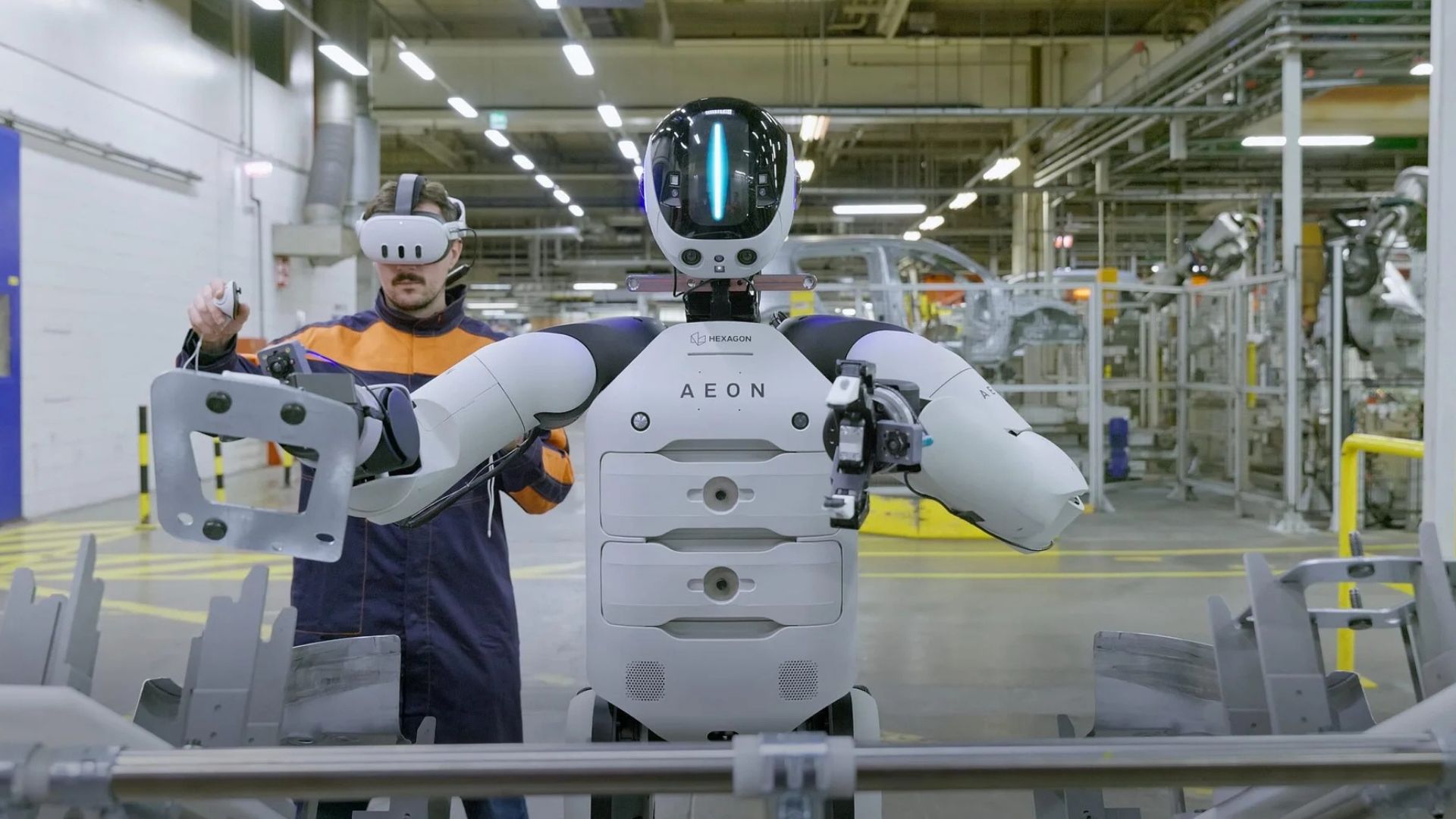
Volvo is training Hexagon Robotics' AEON robots for production tasks at its Ghent factory in Belgium. The company aims to use these robots in actual production processes starting from mid-2027. |
FOLLOW
Get new issues in your feed reader — add this to an app such as Feedly, Inoreader or NetNewsWire. Follow by RSS |