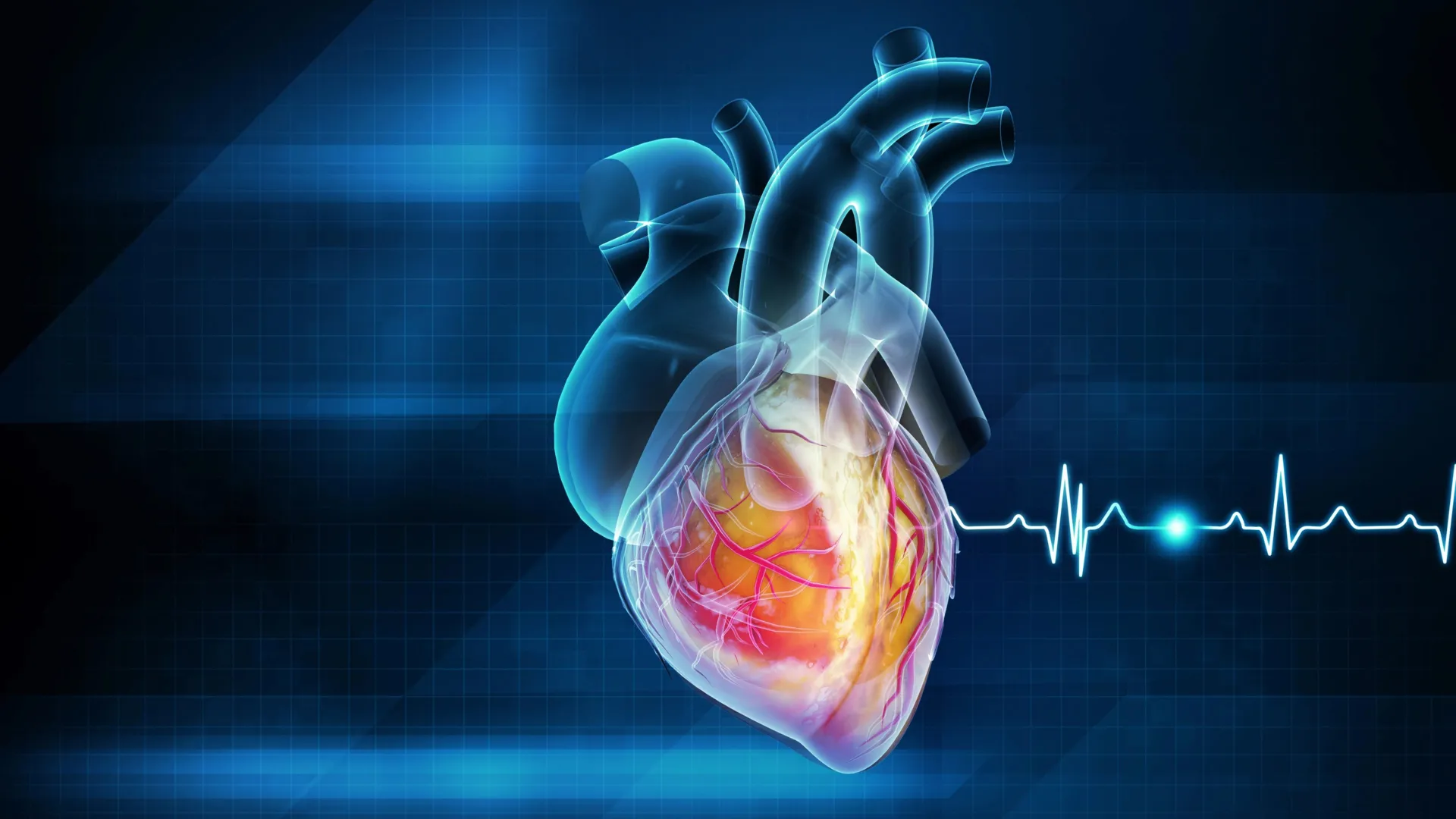
SummaryResearchers at UC Berkeley trained an AI on over 440,000 Swedish ECGs. The model detects a subtle electrical pattern in routine heart screenings, flagging the risk of sudden cardiac death more accurately than traditional ejection fraction screening. The study was validated using cohorts from the US and Taiwan. Published in Nature, the research suggests that hospitals can identify at-risk individuals among thousands currently classified as low-risk using data they already collect. |
Why it mattersIn the US, sudden cardiac arrest kills over 300,000 Americans annually. Approximately 90% of out-of-hospital cases result in death within minutes, making early detection critical. Current ejection fraction-based screening misses at-risk patients while leading to unnecessary defibrillator implants; two-thirds of these implants never activate. If the signal generalizes, this proven, life-saving intervention can be directed to those who truly need it without requiring new diagnostic tests. |
Highlights- The annual sudden death rate was 7% in the AI-flagged cohort, compared to 4.6% at the traditional screening threshold
- The algorithm works with standard ECG images already taken in hospitals worldwide, requiring no new testing pipeline
- Validation included three geographically distinct datasets (Sweden, San Diego, Taipei) to test population generalizability
|
Critical takeThe 7% vs. 4.6% rates compare the highest-risk segments of each method; they do not present a full sensitivity/specificity trade-off. The press release narrative omits false positive rates, calibration curves, and whether the 'hidden signal' is truly novel or merely a recombination of known ECG features. Until the full clinical workflow analysis and prospective trial data from the Nature article are released, the claim of 'thousands of lives saved' is a potential upper bound, not a proven outcome. |
This critique was written by the local AI model
Qwen3.8-27B. I chose the story; I do not review each critique before it is published.