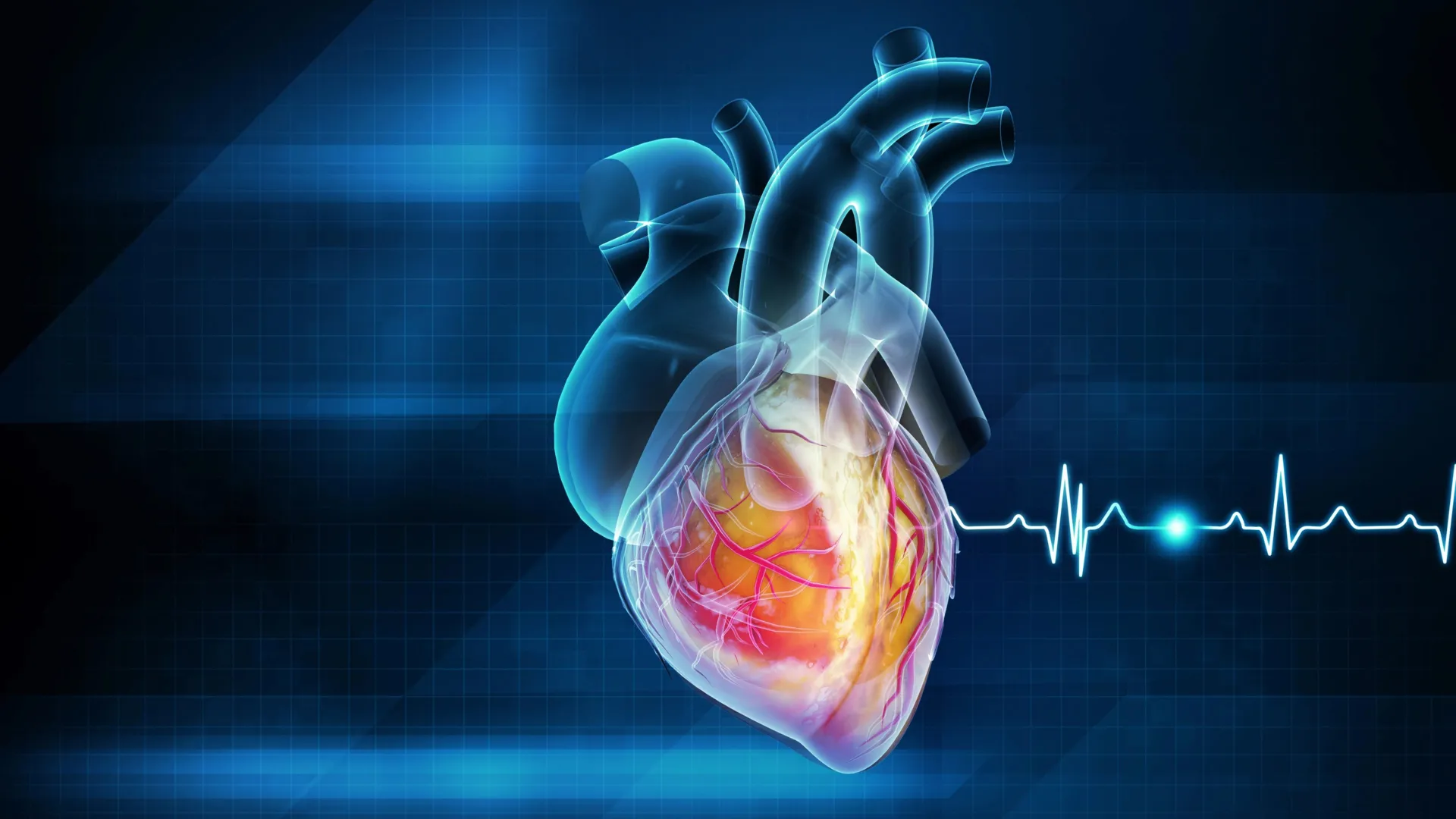
 AI discovers a hidden heart signal that could predict sudden deathUC Berkeley researchers have developed an artificial intelligence model that analyzes hidden electrical patterns in routine EKG recordings. This system can detect patients at risk of sudden cardiac arrest more effectively than existing screening methods. |
AiPulse — Issue No. 120
COVER
Pulse
Apple, in collaboration with OpenEvidence, has released a study app to examine how it responds to health questions supported by clinical data for users in the US. This app will run for over 12 months with 200,000 participants, and it is committed that the collected data will not be used to train AI models. |

The project developed by Dr. Emre Biçek from Van YYÜ aims to make predictions more reliable by analyzing the impact of air pollution on solar energy efficiency. This system evaluates pollution factors such as dust and smoke in addition to traditional meteorological data. |

At Work
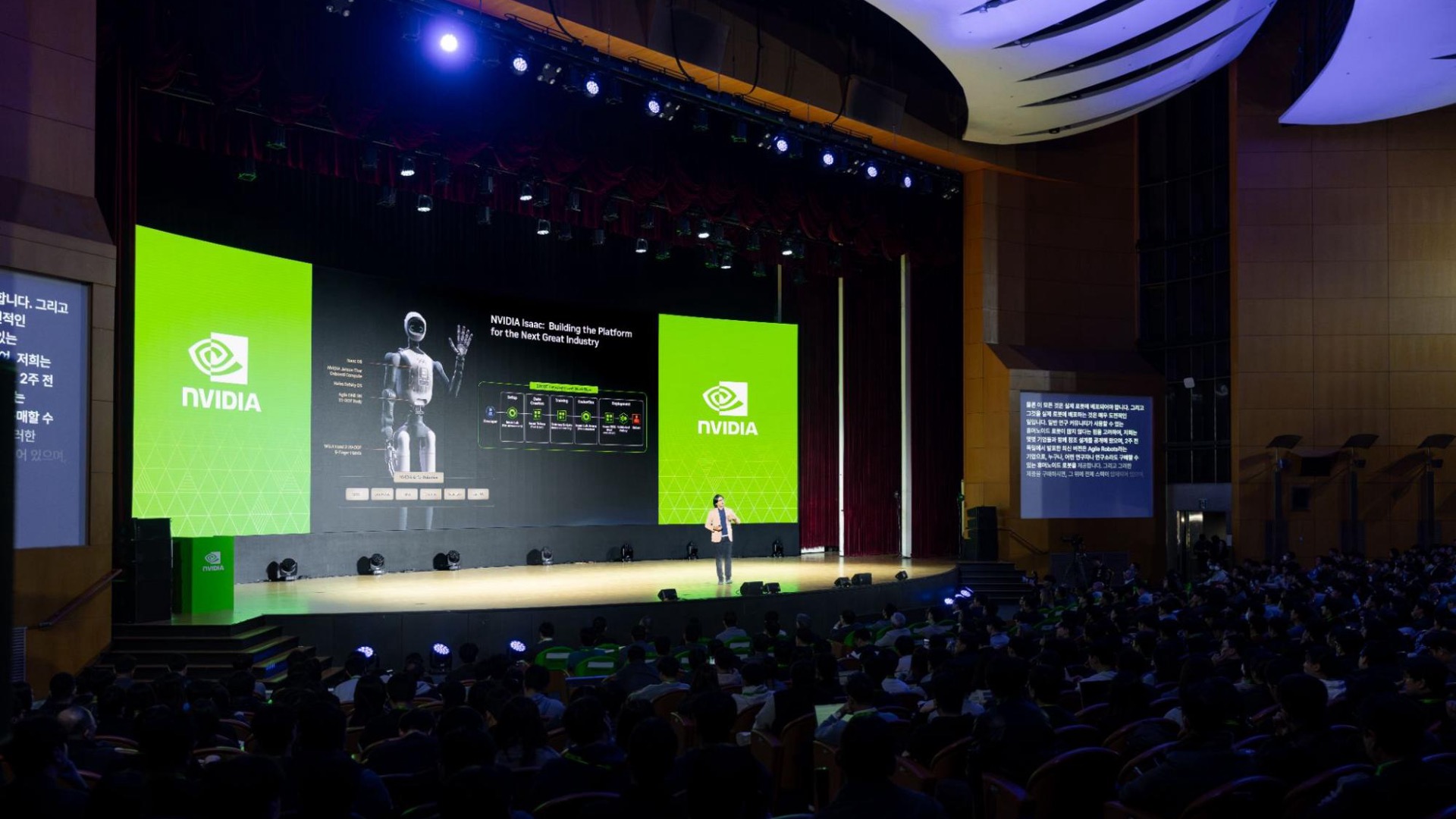
At the event, leading South Korean companies and developer communities came together to focus on physical artificial intelligence and agents. Participants shared their product development processes using NVIDIA platforms and open models. |
Huang's resignation cast uncertainty over the future of the company's massive investments in artificial intelligence initiatives. Because the majority of the sector relies on Nvidia's chips and infrastructure, this change is resonating widely. |

The article emphasizes that the reconstruction of post-war cities is not merely a technical issue, but a political and cultural process concerning who will make the decisions. The author examines how architectural decisions shape collective memory and the importance of active participation by local communities in this process. |

Building Blocks
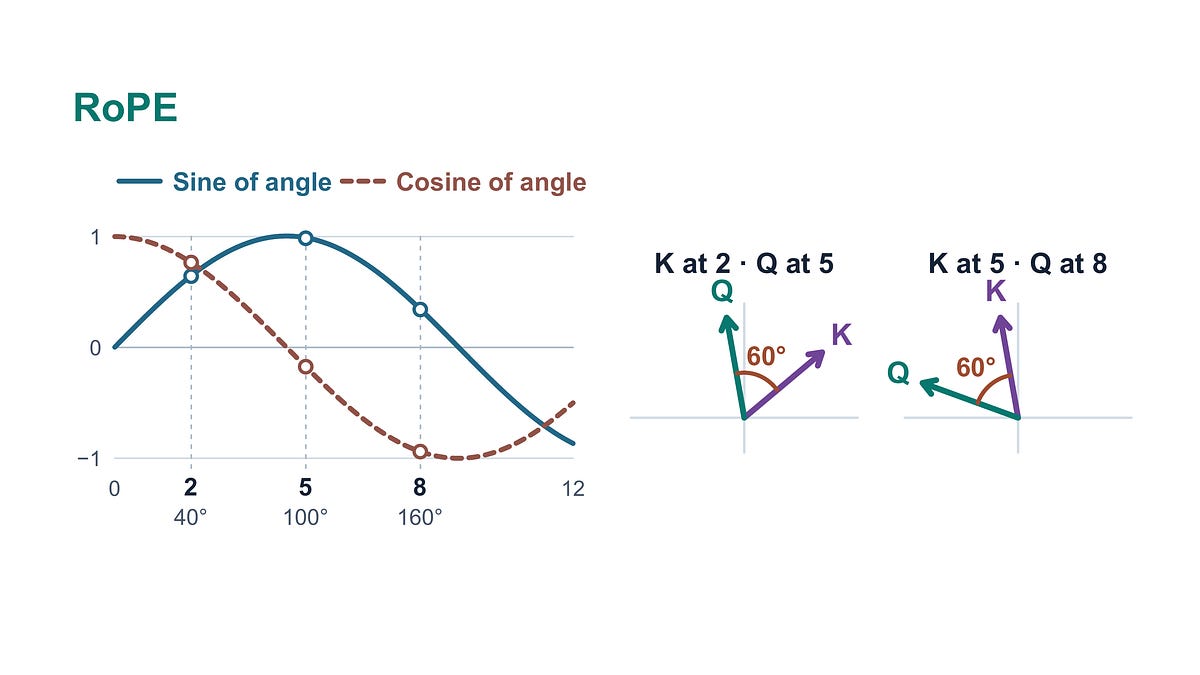
The article explains how large language models encode and process token positions using visual examples and PyTorch code. The work details the mechanisms ranging from classical methods to RoPE and examines the preferences of open-weight models in 2026. |
Global Lens
A new study demonstrated that the configuration of agents, consisting of prompts and tools (the harness), can be automatically improved by running test executions and retaining only the changes that work. This method makes it possible to improve agent performance on new tasks without an answer key. |

SpaceX announced a $74 billion investment plan for artificial intelligence infrastructure in Texas and Arizona. These projects will be among the largest data center complexes in the United States. |

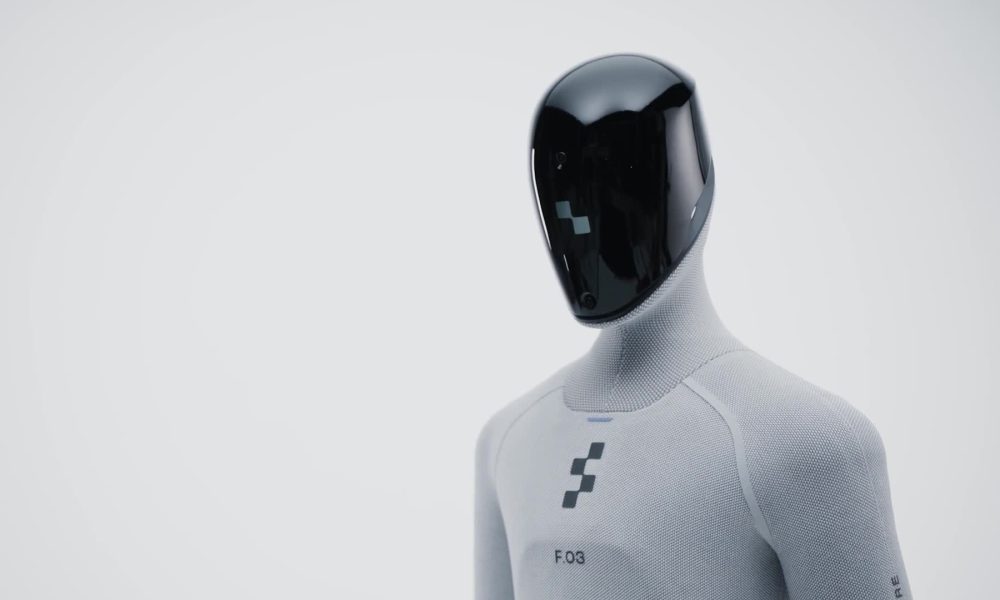
OpenAI has integrated its robotics researchers into the core research team led by Mark Chen and the Applied organization headed by Greg Brockman. The company argues that this restructuring will accelerate progress in robotics and that general-purpose models can be directly applied to robotics. |
According to the 2026 report by the Childlight Institute, affiliated with the University of Edinburgh, reports of AI-generated child abuse material increased from approximately 47,000 in 2023 to over 400,000 by 2025. It is emphasized that this increase may be due to improvements in detection and reporting mechanisms and should not be interpreted solely as a rise in the number of crimes. |

While free local tools like Qwen, Ollama, and OpenCode are useful for simple application development, they fail to provide reliable results in complex debugging processes due to limited context. Consequently, cloud-based solutions like Claude Code are still preferred for critical projects. |

Research by IBM Research and other institutions reveals that while the majority of freelancers use artificial intelligence, the rate of unintentional disclosure is very low. The study indicates that this discrepancy between the parties stems from artificial intelligence being perceived as a standard work tool. |
Trained on over 100 million cell profiles from 68 tissues, the new model nearly doubles the capacity of its previous generation in determining the impact of genetic variants on diseases. This advancement offers researchers a powerful tool for understanding the mechanisms behind rare diseases and complex biological processes. |

FOLLOW
Get new issues in your feed reader — add this to an app such as Feedly, Inoreader or NetNewsWire. Follow by RSS |