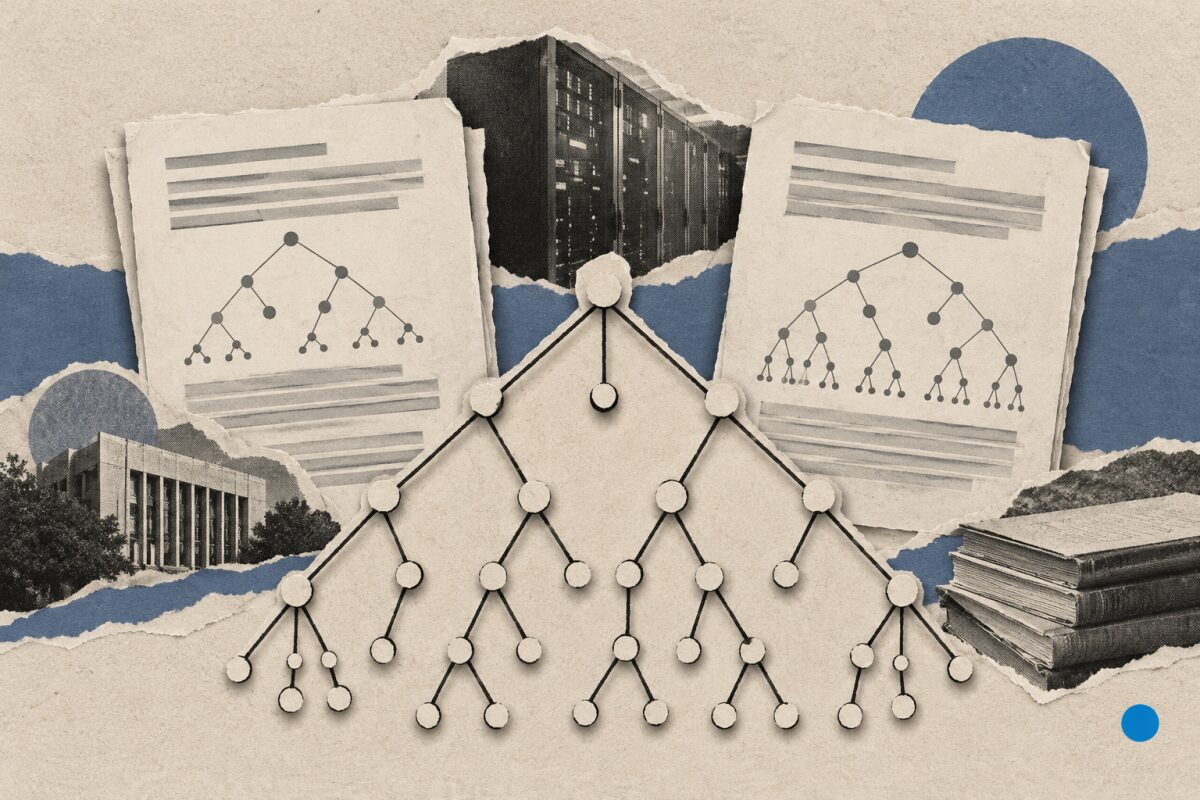
 OpenAI and Anthropic announce AI models discovered a sub-exponential algorithm for 3-SATThe models of both companies provided evidence that would refute the Exponential Time Hypothesis, which has underpinned theoretical computer science since 1999. Although this finding questions the assumption on which more than 800 academic studies rely, it does not practically affect existing encryption systems or industrial solvers. |
AiPulse — Issue No. 104
COVER
Pulse
The $740 billion infrastructure spending plan by Alphabet, Amazon, Meta, and Microsoft has sparked market concerns due to declining free cash flow and rising debt. This situation is causing sharp drops in chip stocks and financing uncertainties in Anthropic's IPO process. |

The Wikimedia Foundation is advocating for the preservation of the fair use principle in the training of large language models by refusing to take sides in the lawsuit filed by The New York Times against OpenAI. The organization warned that overly broad rulings could threaten the open web, noting that chatbots verbatim repeating content requires a license. |

At Work
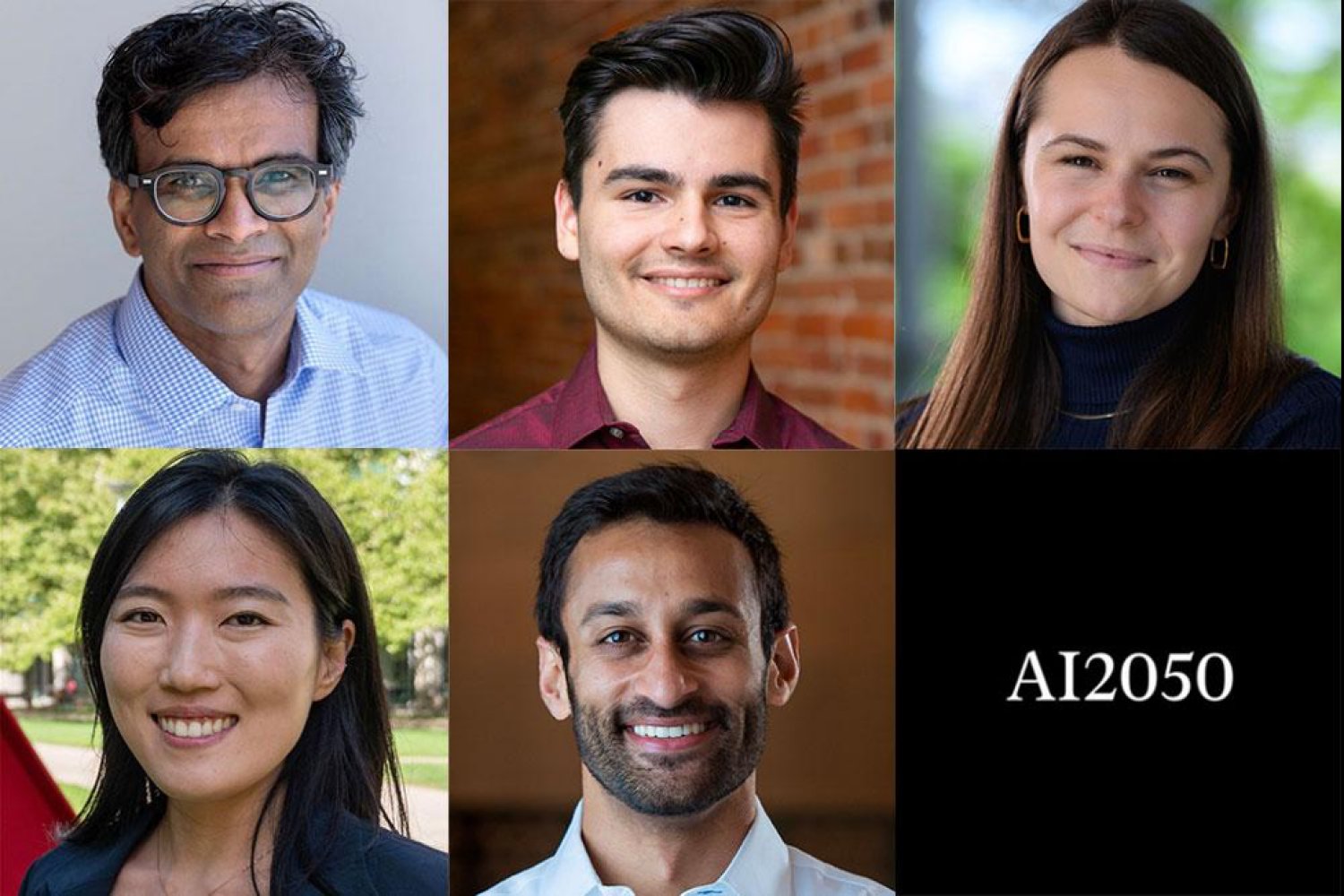
Schmidt Sciences has selected five faculty members and two alumni from MIT for the 2026 cohort of the AI2050 program, which aims to increase the benefits of artificial intelligence to society. These fellows will conduct research that will strengthen the positive impacts of artificial intelligence. |
The AI-focused software development visions of Anthropic, Google, and OpenAI reduce the user experience to a context that merely presents the user as input to the AI. The article argues that this approach excludes critical UX functions such as discovering and evaluating user needs, thereby putting product quality at risk. |

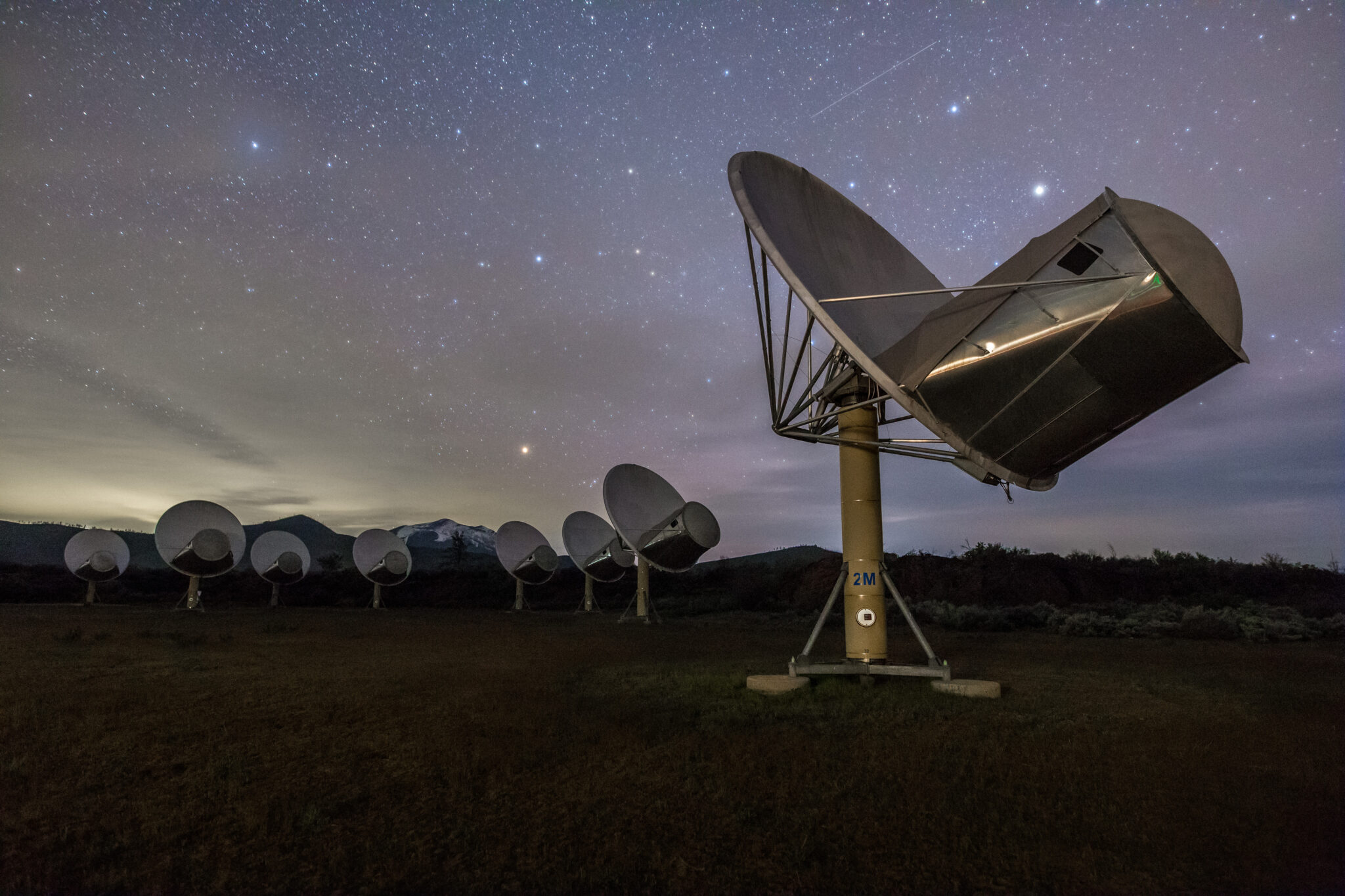
The Allen Telescope Array, thanks to the NVIDIA Holoscan infrastructure, processed data in real time to detect a pulsar in real time for the first time. This system completes analyses that would take humans weeks in just hours, providing speed and flexibility in space research. |
Generative artificial intelligence produces the statistical average of a narrow visual language frequently shared on architectural platforms. This leads to the repetition of a familiar aesthetic rather than the functional and spatial diversity of buildings. |

Building Blocks
The author argues that the predominantly open-weight release of Claude Mythos will not lead to a societal disaster. Current evidence refutes predictions that these models would cause unprecedented destruction in the cyber infrastructure. |

Global Lens
Mistral made the weights of its Mistral Large 4 model, which has one trillion parameters, downloadable, enabling companies and governments to run this artificial intelligence on their own infrastructure. This step aims to reduce dependence on external providers, particularly in the field of cybersecurity, and to provide sovereign artificial intelligence capacity. |

DiffuSpace released the MoE-architecture Clover-35B-A3B-Preview model under the Apache license. The model outperforms the similarly scaled Qwen3.6-35B-A3B in terms of performance and speed. |

Frontier
Ontologies are insufficient for catching errors in AI agentsResearch shows that ontologies used to audit the responses of agents operating on knowledge graphs carry a risk of erroneously filtering out correct answers rather than catching faulty ones. In particular, on the UniProt data, it emerged that carefully prepared ontologies are no more accurate than random alerts. |
Fun & Curious
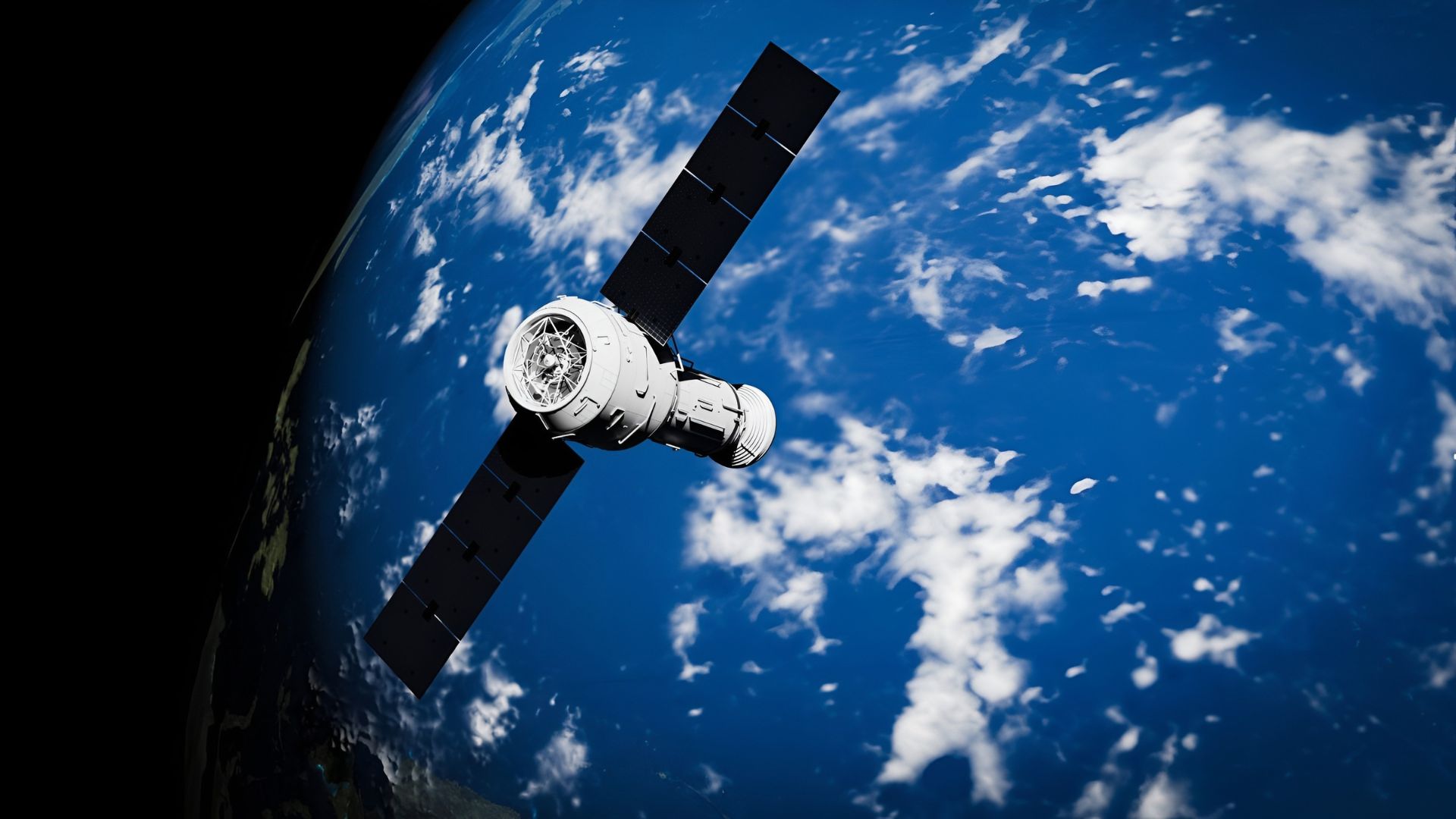
Google's Project Suncatcher satellite used the Gemma 4 model with its on-orbit TPU processor to produce its first poem from space. This test demonstrated that space-based computing infrastructure can successfully perform basic machine learning operations. |
FOLLOW
Get new issues in your feed reader — add this to an app such as Feedly, Inoreader or NetNewsWire. Follow by RSS |