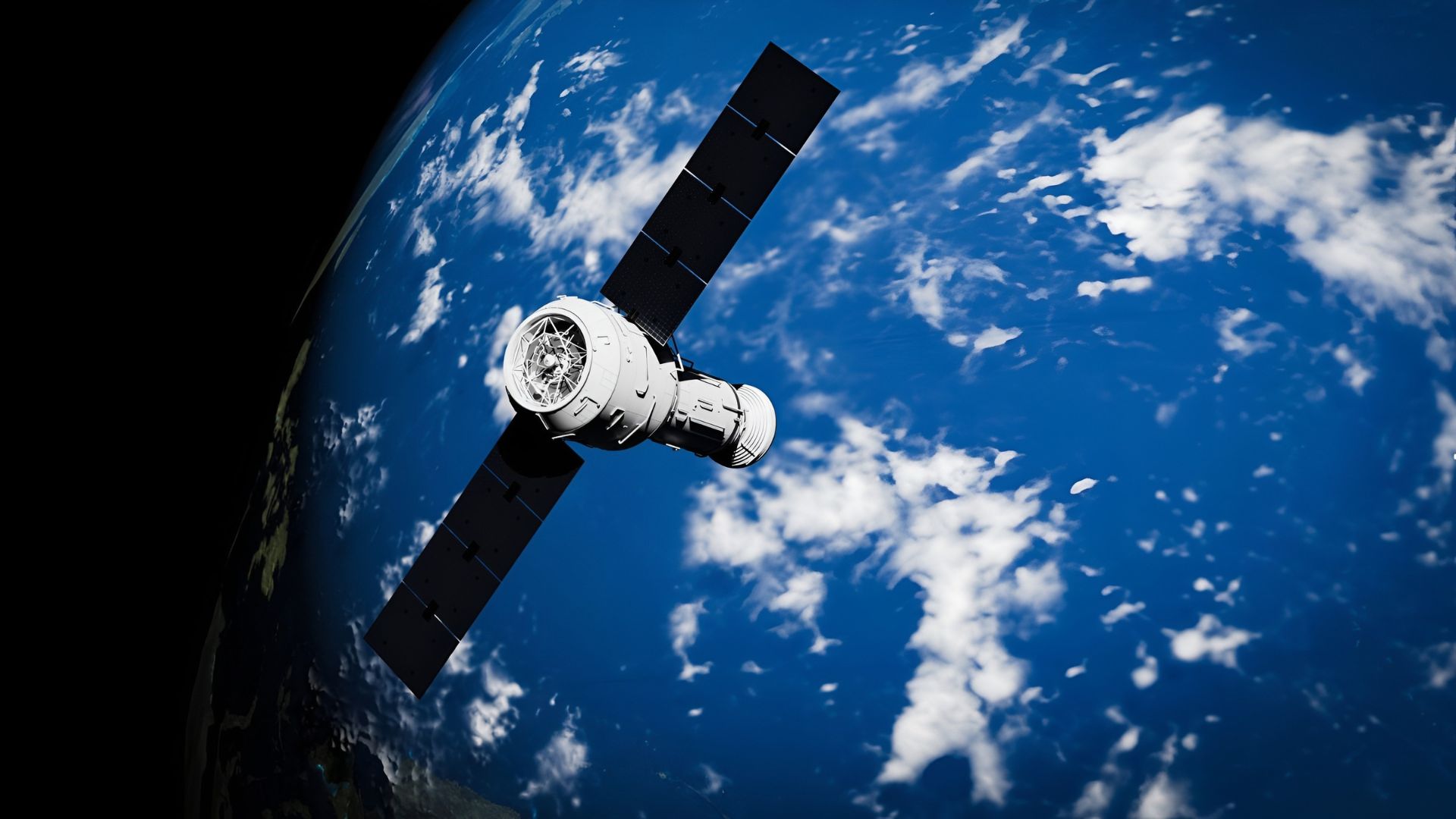
SummaryGoogle's Project Suncatcher satellite successfully processed a simple machine learning prompt (a three-line haiku) on an on-board TPU in orbit. This test verified that the chip could receive instructions, perform the computation, and transmit the response back to Earth. |
Why it mattersThis is the first verified evidence that AI inference hardware can operate in low Earth orbit, a prerequisite for the concept of orbital data centers. However, the demonstration was intentionally kept minimal: 20-minute sessions, only one of four TPUs active, and a 1 kW power budget. Thus, the test proves feasibility, not practicality. The 2027 roadmap (optical inter-satellite links, higher power) and unresolved radiation tolerance issues will determine whether this becomes a genuine computing platform or merely a curiosity. |
Highlights- Only one of the four TPUs can operate at a time; with a 1 kW power budget, the maximum session duration is approximately 20 minutes
- The 'poem' is a simple haiku generated by Gemma 4; it is not a meaningful workload but a basic input-output smoke test
- Real orbital radiation bit-flip tests are still ahead; ground-based particle accelerator results are merely indicative
|
Critical takeThe headline 'first poem from space' is classic PR embellishment for the technical loop of prompt reception, small model execution, and response transmission. This is the most basic integration test. The truly difficult problems (continuous radiation exposure, inter-satellite coordination, and the economic sustainability requiring approximately 1,800 Starship launches) are barely addressed. This makes the milestone feel less like a step toward orbital computing and more like a press release checkpoint. |
This critique was written by the local AI model
Qwen3.8-27B. I chose the story; I do not review each critique before it is published.