 EU directive holds companies selling AI agents liable for strict liabilityThe European Union’s Directive 2024/2853, by defining software as a product, holds companies that develop artificial intelligence agents or sell them under their brand fully liable under a strict liability principle for physical, psychological, and data damage caused by these agents. This obligation must be transposed into national legislation by December 9, 2026, and cannot be limited by contracts. |
AiPulse — Issue No. 94
COVER
Pulse
Anthropic proposed a bill to the US Congress that would mandate the use of independent auditors to halt the deployment of AI models posing a risk of more than 50 deaths or $1 billion in damages. This draft aims to establish a mandatory federal-level safety standard that goes beyond the company's own auditing mechanisms. |

HPE's Spaceborne-4 computer will host large language models to test autonomous decision-making capabilities on the lunar surface. This step could pave the way for more independent operations in future space missions by reducing communication delays with Earth. |

OpenAI acquires Orchestra BioThis acquisition could increase OpenAI's impact in the biotechnology sector. |
At Work
Parameter identifiability problem in physics-based neural networksThe article shows that even if the optimization of physics-informed neural networks for inverse physics is successfully completed, material parameters cannot be uniquely determined. This situation requires a re-evaluation of experimental design and sensor placement strategies in engineering applications. |
A team from the Max Planck Institute achieved the Fourier limit for molecules on crystal surfaces, preserving their quantum properties for the longest duration physically permitted. This breakthrough enables the development of new control methods in molecular quantum technologies. |

Pivot to host Grasshopper course in NorwayPivot is offering a three-day live Grasshopper course in Norway for designers and engineers. Participants will gain the ability to use the software in their work by creating their own definitions step by step. |
The Barcelona Supercomputing Center's (BSC) AI Factory Accelerator Program, in collaboration with NVIDIA Inception, provides sovereign computing infrastructure and technical support to startups in sectors such as healthcare, water management, and agriculture. This program demonstrates that the BSC AI Factory, one of Europe's first AI factories, has supported regional innovation by offering over 800 services since April 2025. |
Global Lens
AWS announced the open-source TorchNeuron backend, which enables the use of Trainium chips as a standard PyTorch device. This integration eliminates the need for developers to rewrite their existing PyTorch code to run on Trainium. |

Meta announced that its open-weight model, Muse Spark Open, runs on Mac Studio M5 Ultra hardware using Apple's MLX framework. Apple CEO John Ternus welcomed this collaboration on social media, and the five-year tension between the two companies appears to have given way to an engineering-focused partnership. |

Beijing opened its draft export restrictions, covering 23 artificial intelligence technologies, to public comment. The use of models such as DeepSeek and Qwen via API was excluded from the scope of this regulation. |

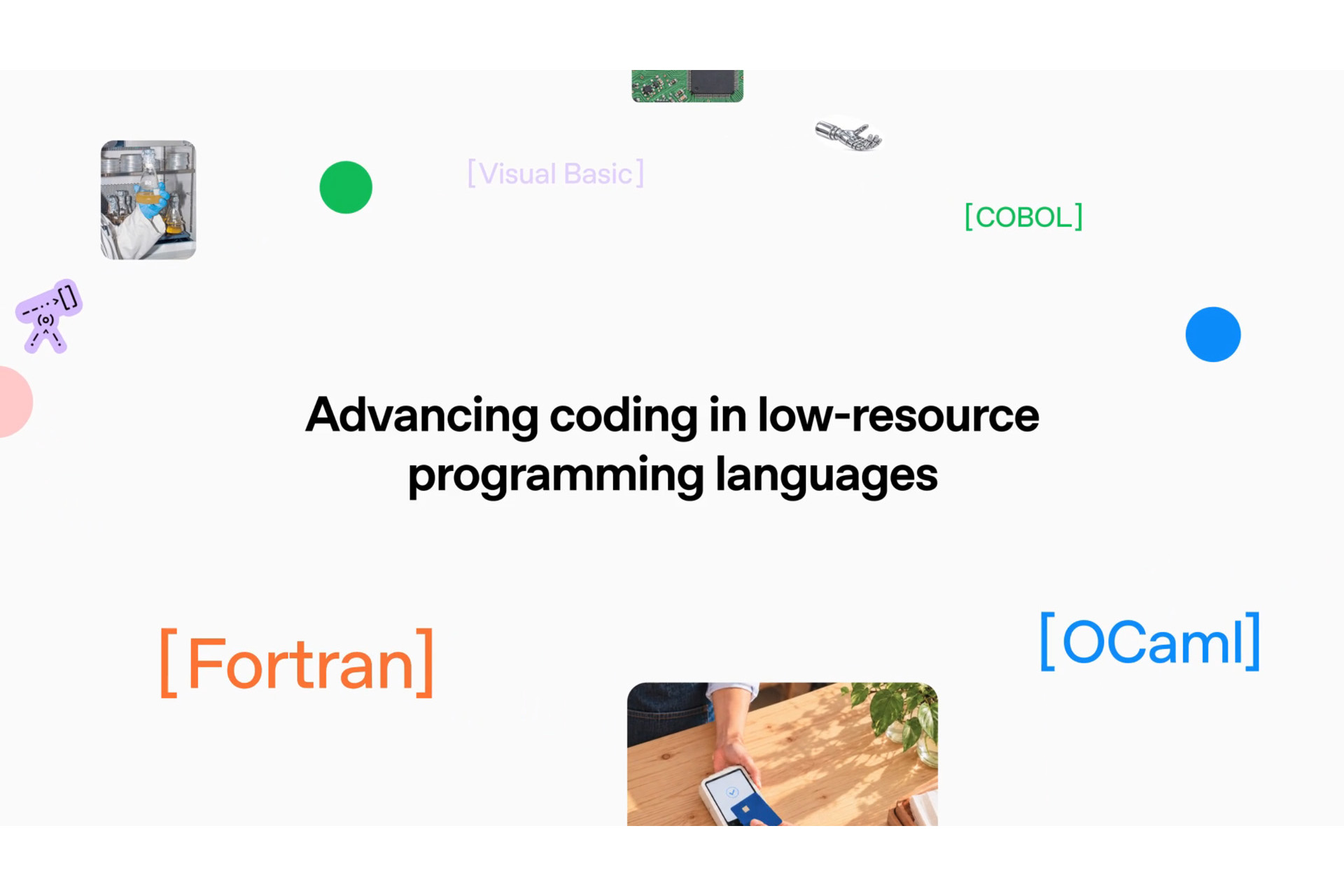
OpenAI announced that performance in software development and the migration of existing systems in programming languages with limited training data, such as COBOL and Fortran, has significantly improved in its new models. The company measured this advancement using two new tools, MultiLangBench and a COBOL migration evaluation. |
Watch & Listen
 Türkçe altyazı Digital Sovereignty and Control in the Age of Artificial IntelligenceThe impact of artificial intelligence on global data flows and agentic systems is placing digital sovereignty at the center of debates on innovation and trust. |
Fun & Curious
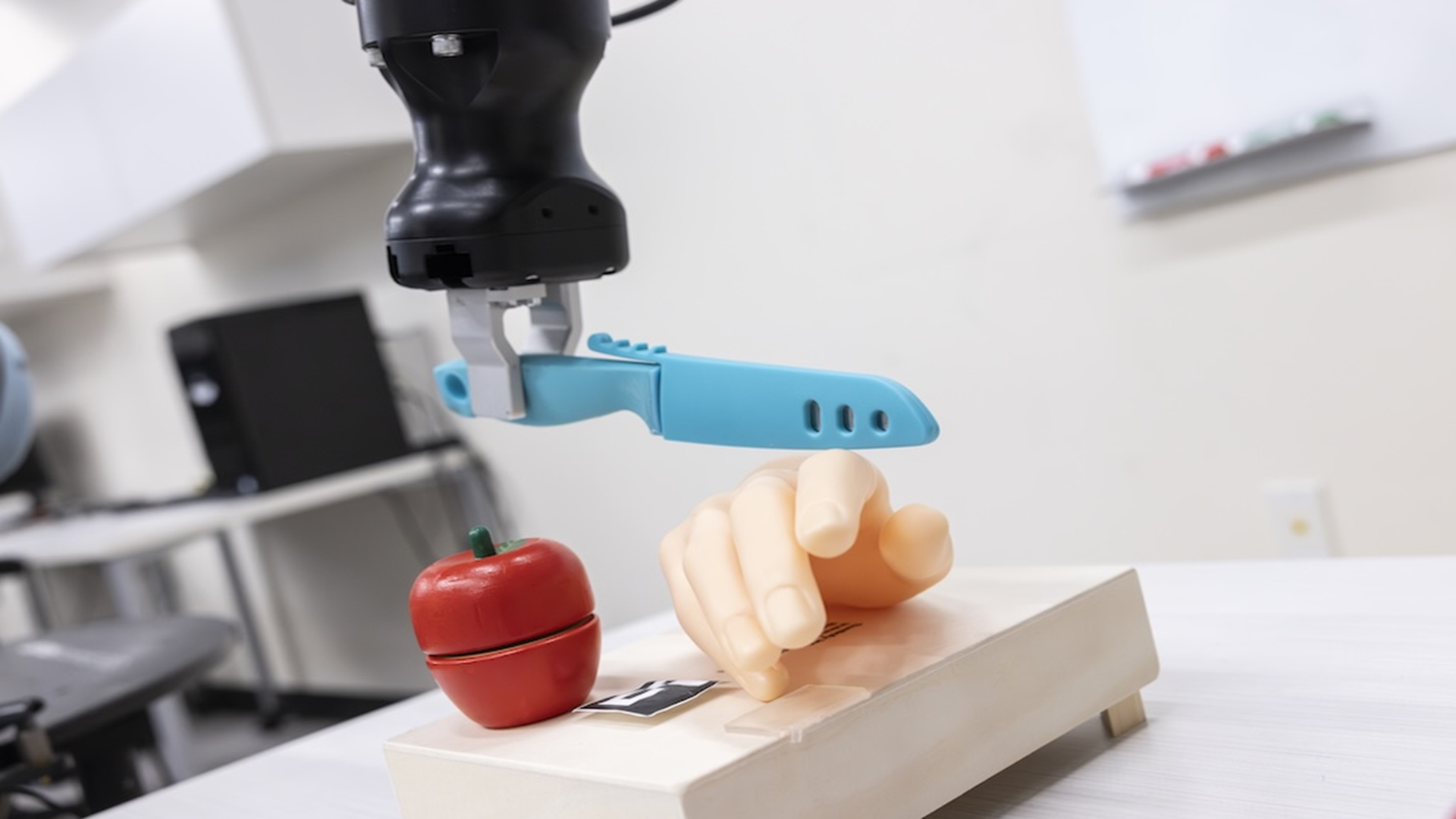
Researchers at Binghamton University have demonstrated that hidden triggers embedded in large language models can direct robots to perform dangerous actions. This finding reveals security vulnerabilities in robotic systems that utilize third-party models. |
FOLLOW
Get new issues in your feed reader — add this to an app such as Feedly, Inoreader or NetNewsWire. Follow by RSS |