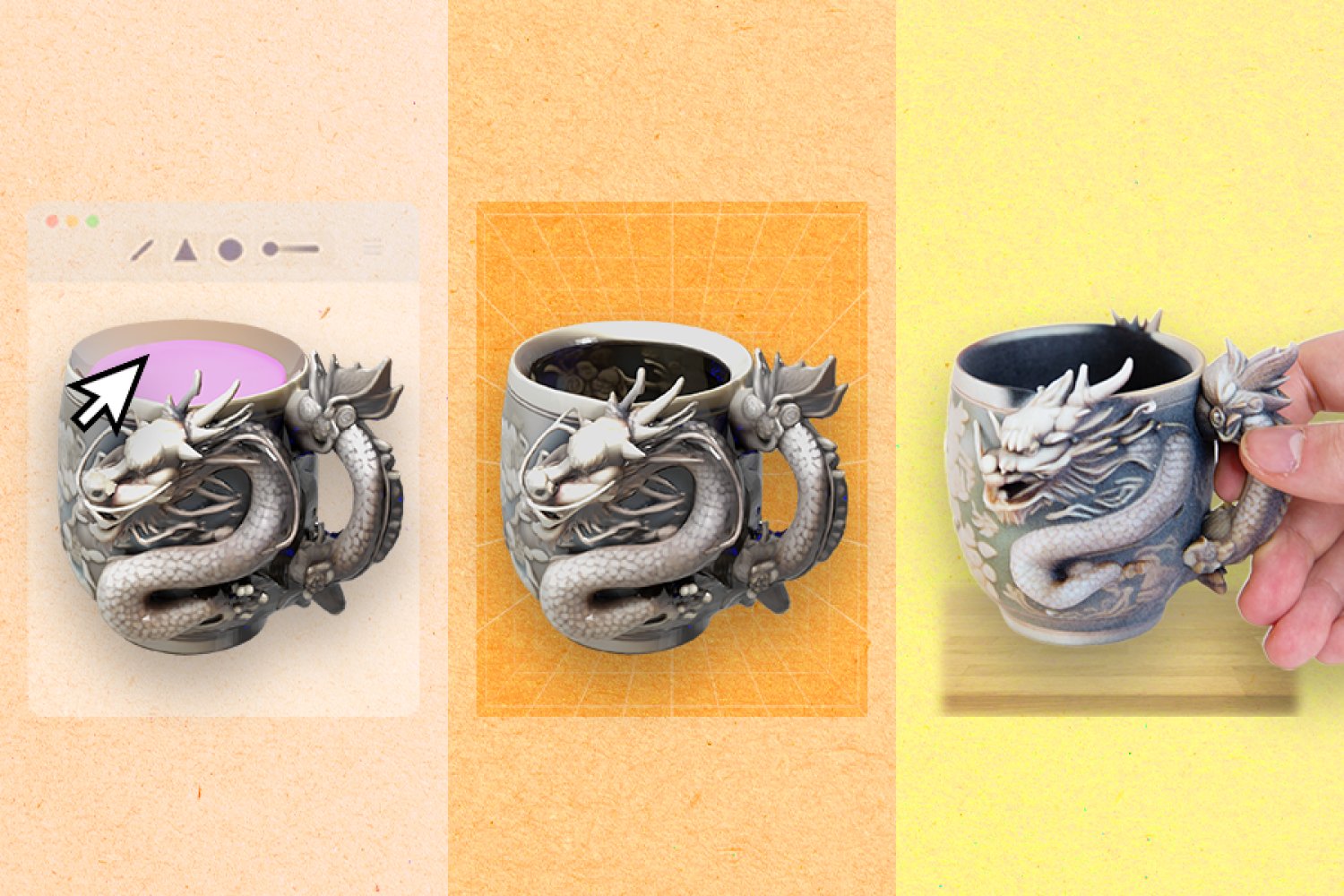
 InstructMesh, yapay zeka ile üretilen 3D modelleri onarıp basmayı sağlıyorInstructMesh enables the repair and printing of AI-generated 3D modelsHabere gitRead the article Türkçe (otomatik çeviri) English (automatic translation) |
ÖzetSummaryInstructMesh, MIT CSAIL, Google ve Northeastern Üniversitesi'nin ortaklaşa geliştirdiği bir araç. Microsoft'un TRELLIS 3D üreteci ile GPT-4'ü bir araya getiriyor. Kullanıcılar, 3D baskıdan önce yapay zekâ tarafından üretilen 3D modelleri istemle oluşturup inceleyebilir ve seçici olarak iyileştirebilir.InstructMesh is a tool jointly developed by MIT CSAIL, Google, and Northeastern University. It integrates Microsoft's TRELLIS 3D generator with GPT-4. Users can prompt, inspect, and selectively refine AI-generated 3D models before 3D printing. |
Neden ÖnemliWhy it mattersYapay zekâ ile üretilen 3D modellerin pratik kullanıma pek uygun olmadığı biliniyor. Test edilen yeniden oluşturulan modellerin yaklaşık %80'inde yapısal kusurlar vardı. Bu durum, modelleri gerçek dünyada üretim için kullanılamaz hale getiriyordu. InstructMesh, üretken estetik ile işlevsel geometri arasındaki boşluğu doğal dil tabanlı bir düzenleme arayüzüyle kapatıyor. Bu sayede uzman olmayan kullanıcıların gerçekten işe yarayan nesneler üretme eşiğini düşürüyor. Üretken 3D tasarımın uzman CAD kullanıcılarının ötesine geçerek erişilebilir hale gelmesi açısından anlamlı bir adım atılıyor.It is well known that AI-generated 3D models are often impractical for real-world use. Approximately 80% of the reconstructed models tested had structural flaws, rendering them unusable for actual production. InstructMesh bridges the gap between generative aesthetics and functional geometry through a natural language-based editing interface. This lowers the barrier for non-expert users to create truly functional objects, marking a significant step toward making generative 3D design accessible beyond expert CAD users. |
Öne ÇıkanlarHighlights
|
EleştiriCritical take%90'luk yeni başlayan başarı oranı, küçük ölçekli, tek turlu bir değerlendirmeden geliyor. Katılımcı havuzu belirsiz ve 'uzman incelemesi' kriteri muğlak tanımlanmış. Bu durum, sonucun genellenebilirliğini ölçmeyi zorlaştırıyor. Daha temel bir sorun var: InstructMesh hâlâ TRELLIS ve GPT-4'e bağımlı. Bu nedenle her iki sistemin halüsinasyon ve geometri hatalarını da devralıyor. Yapısal olarak bozuk bir ızgarayı cilalamak, doğru bir ızgara üretmekle aynı şey değil. Aracın üst sınırı, altta yatan üreticinin kalitesiyle sınırlı.The 90% success rate for novices comes from a small-scale, single-turn evaluation. The participant pool is unclear, and the 'expert review' criteria are vaguely defined, making it difficult to gauge the generalizability of the results. A more fundamental issue is that InstructMesh remains dependent on TRELLIS and GPT-4, meaning it inherits their hallucinations and geometric errors. Polishing a structurally broken mesh is not the same as generating a correct one. The tool's upper limit is constrained by the quality of the underlying generator. |