 Autodesk, Revit'i Forma ekosisteminin parçası yapacakAutodesk to Integrate Revit into the Forma EcosystemHabere gitRead the article Türkçe (otomatik çeviri) English (automatic translation) |
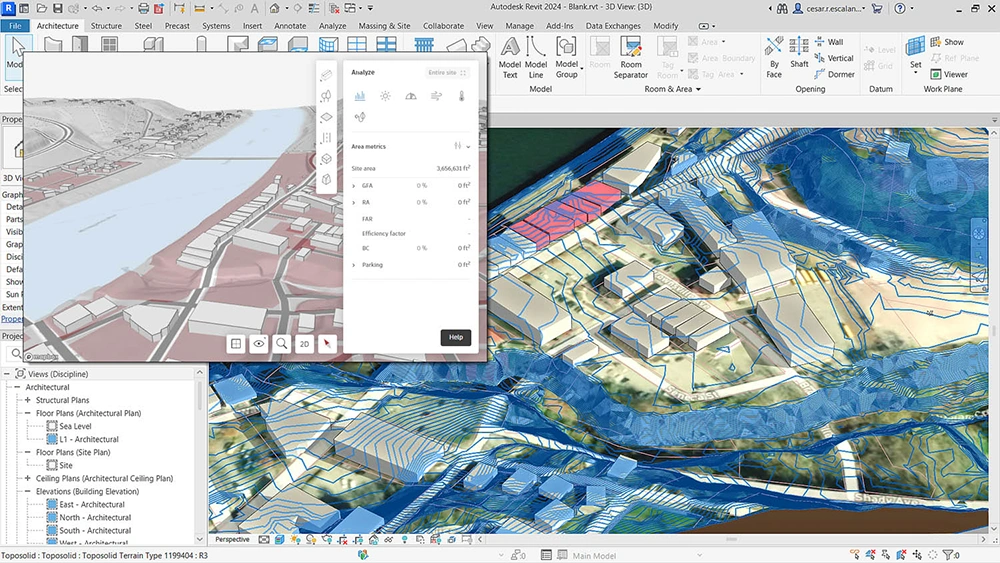
ÖzetSummaryAutodesk, Revit'i bağımsız bir BIM uygulamasından Forma ekosisteminin bağlantılı bir bileşenine dönüştürüyor. Zamanla Forma, AEC süreçleri için birincil çalışma ortamı haline gelecek. Bu geçiş kademeli olarak kurgulanıyor: Revit, detaylı model oluşturma rolünü korurken; planlama, analiz ve yapay zekâ destekli karar alma süreçleri Forma'ya taşınacak.Autodesk is transforming Revit from a standalone BIM application into a connected component of the Forma ecosystem. Over time, Forma will become the primary workspace for AEC processes. This transition is being phased: while Revit retains its role in detailed model creation, planning, analysis, and AI-assisted decision-making processes are being shifted to Forma. |
Neden ÖnemliWhy it mattersRevit'in sektör standardı haline gelmesinden bu yana BIM yazılımındaki en önemli stratejik dönüşüm bu olabilir. Çünkü ağırlık merkezi, geometri odaklı modellemeden, proje yaşam döngüsünün tamamını kapsayan bulut tabanlı bir veri platformuna kayıyor. Yıllardır Revit etrafında iş akışları, şablonlar ve kurumsal bilgi birikimi oluşturmuş firmalar için Forma'nın sessizce öne çıkarılması, maliyetleri ve yaratacağı aksamalar henüz tam olarak görünmeyen bir göçü işaret ediyor. Yapay zekâ katmanı riskleri artırıyor: Autodesk, rekabet avantajının 'en hızlı modelleyen'den 'proje verilerini en iyi bağlayan ve yorumlayan'a kayacağına inanıyor.This may be the most significant strategic shift in BIM software since Revit became the industry standard. The center of gravity is moving from geometry-focused modeling to a cloud-based data platform that encompasses the entire project lifecycle. For firms that have built workflows, templates, and institutional knowledge around Revit over the years, the quiet elevation of Forma signals a migration with costs and disruptions that are not yet fully visible. The AI layer increases the risks: Autodesk believes the competitive advantage will shift from 'modeling the fastest' to 'best connecting and interpreting project data.' |
Öne ÇıkanlarHighlights
|
EleştiriCritical takeMakale, Autodesk'in kendi stratejik terminolojisini—'sektör bulutu', 'sonuç odaklı', 'bağlantılı ekosistem'—sorgulamadan tekrarlıyor. Orta ölçekli ofislerin gerçekten göç edip etmeyeceği, gerçek geçiş maliyetlerinin ne olduğu veya üretim hattı tamamen Revit'e dayalı firmalar için bunun nasıl işleyeceği incelenmiyor. Süreci 'kademeli bir geçiş' olarak nitelendirmek, Forma birincil ortam haline geldiğinde Revit'in fiili sektör standardı rolünün sessizce çözüldüğünü gizleyen rahat bir çerçeve. Makale, bu aksamayı yaşayacak mimarlar veya firmalardan karşıt bir bakış açısı sunmuyor.The article repeats Autodesk's own strategic terminology—'industry cloud,' 'outcome-driven,' 'connected ecosystem'—without questioning it. It does not examine whether mid-sized offices will actually migrate, what the real transition costs are, or how this will work for firms whose production lines are entirely Revit-based. Describing the process as a 'phased transition' is a comfortable framework that obscures the quiet dissolution of Revit's de facto industry standard role once Forma becomes the primary environment. The article offers no counter-perspective from architects or firms who will experience this disruption. |