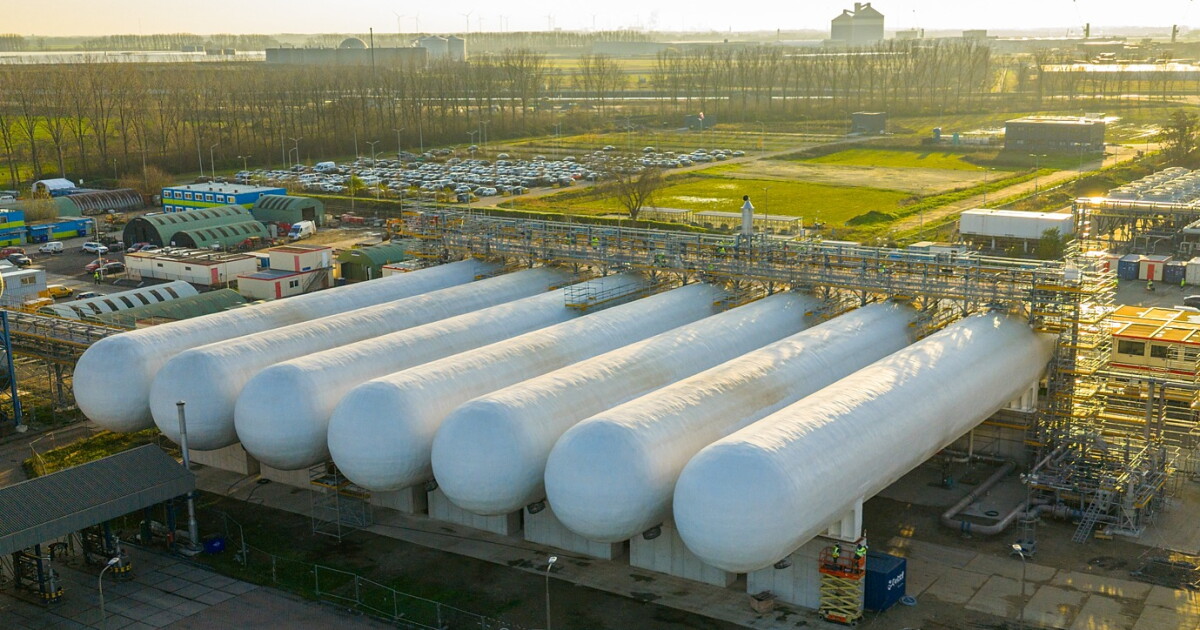
 Yara, Avrupa'nın en büyük karbon yakalama tesisini devreye aldıYara commissions Europe's largest carbon capture plantHabere gitRead the article Türkçe (otomatik çeviri) English (automatic translation) |
ÖzetSummaryYara, Hollanda’daki Sluiskil amonyak tesisinde Avrupa’nın en büyük endüstriyel karbon yakalama tesisini devreye aldı. Tesis, kendi üretim sürecinden kaynaklanan 800.000 ton CO2’yi yılda yakalıyor. Bu gaz, Northern Lights tarafından Norveç’te derin deniz yatağına depolanmak üzere gönderiliyor.Yara has commissioned Europe's largest industrial carbon capture facility at its Sluiskil ammonia plant in the Netherlands. The facility captures 800,000 tons of CO2 annually from its own production process. This gas is sent to Northern Lights for storage in a deep-sea reservoir in Norway. |
Neden ÖnemliWhy it mattersAvrupa’da karbon yakalama ve depolama (CCS) uzun süredir pilot aşamasında takılıp kalmıştı. Bu tesis, azotlu gübre ve kimyasal gibi zor karbondan arındırılan endüstriyel sektörlerin dekarbonizasyonu için somut ve işletmede olan bir kilometre taşı niteliğinde. 15 yıllık projeksiyonda 12 milyon ton depolama hedefi ve Northern Lights’ın depolama kapasitesini yılda 5 milyon tona çıkarma planı, taşıma ve depolama lojistik zincirinin nihayet ölçeklendiğine işaret ediyor. Ancak makale, bu rakamın Hollanda’nın yıllık emisyonlarının yalnızca %0,5’ine denk geldiğini kabul ediyor. Bu durum, CCS’in gerekli ölçekte bir iklim çözümü olmaktan ne kadar uzak olduğunu vurguluyor.Carbon capture and storage (CCS) in Europe has long been stuck in the pilot phase. This facility represents a concrete, operational milestone for the decarbonization of hard-to-abate industrial sectors such as nitrogen-based fertilizers and chemicals. The 15-year projection of 12 million tons of storage and Northern Lights' plan to increase storage capacity to 5 million tons per year indicate that the transport and storage logistics chain is finally scaling up. However, the article acknowledges that this figure equates to only 0.5% of the Netherlands' annual emissions. This highlights how far CCS is from being a climate solution at the necessary scale. |
Öne ÇıkanlarHighlights
|
EleştiriCritical take“Avrupa’nın en büyüğü” başlığı, başarıyı biraz abartıyor. Tesis, amonyak sentezi sırasında kendisi tarafından üretilen CO2’yi yakalıyor. Bu durum, atmosferden net karbon çekimi yapmak yerine yalnızca Yara’nın karbon ayak izini azaltıyor. Makalenin kendisinin de belirttiği Hollanda emisyonlarının %0,5’i rakamı, “rekor kırıcı” çerçevesini bir iklim kırılma noktasından çok bir PR kilometre taşı gibi hissettiriyor. Yakalama süreci için ton başına maliyet verisi veya enerji cezası tartışmasının tamamen eksik olması, bu modelin sektörde ölçeklendirilmesinin ekonomik uygulanabilirliğini sorgusuz bırakıyor.The headline "Europe's largest" somewhat exaggerates the achievement. The facility captures CO2 produced by itself during ammonia synthesis. This reduces Yara's carbon footprint rather than performing net carbon removal from the atmosphere. The figure of 0.5% of Dutch emissions, as noted in the article itself, makes the "record-breaking" framing feel more like a PR milestone than a climate breakthrough. The complete absence of data on cost per ton or energy penalty for the capture process leaves the economic viability of scaling this model in the industry unquestioned. |