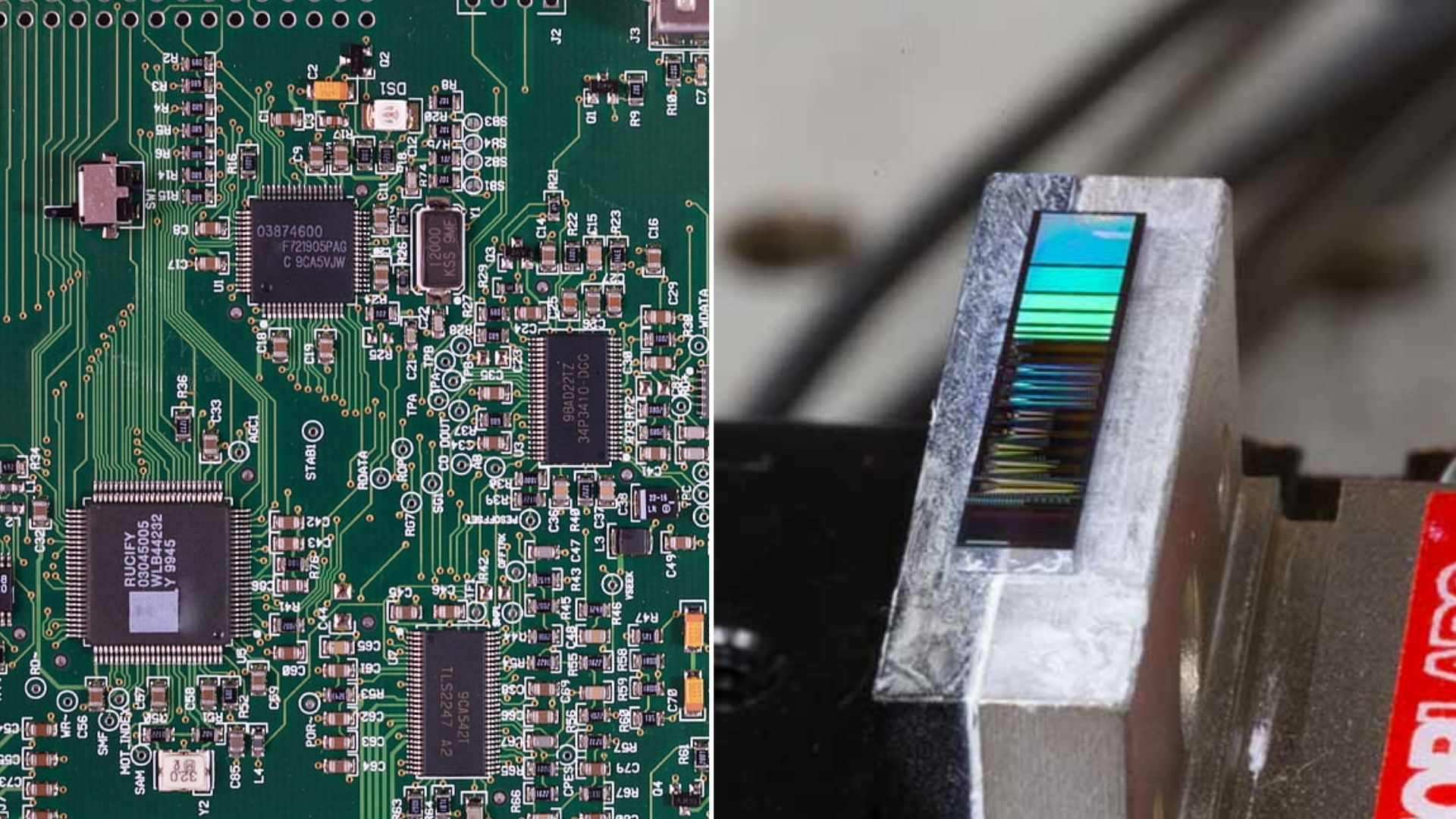
 Elektronik ve fotonik çiplerin veri işleme farkı açıklandıElectronic vs photonic chips: Two different ways to move and process data explainedHabere gitRead the article Türkçe (otomatik çeviri) English (automatic translation) |
ÖzetSummaryElektronik (transistör tabanlı) ve fotonik (ışık tabanlı) çipleri karşılaştıran, ikisinin birbirine rakip değil tamamlayıcı olduğunu savunan bir açıklayıcı yazı. Fotonik yüksek bant genişliğinde veri taşımada, elektronik ise yoğun mantık ve hesaplama işlemlerinde öne çıkıyor.An explanatory article comparing electronic (transistor-based) and photonic (light-based) chips, arguing that they are complementary rather than competitors. Photonic technology excels in high-bandwidth data transmission, while electronic technology leads in dense logic and computation tasks. |
Neden ÖnemliWhy it mattersYapay zekâ iş yükleri ve veri merkezi trafiği patladıkça darboğaz giderek ham hesaplama gücünden çok veri taşımaya kayıyor. Bu durum, elektronik-fotonik arayüzünü kritik bir mühendislik sınırı haline getiriyor. Her teknolojinin nerede öne çıktığını anlamak, okuyucuların silikonu devralacağı iddia edilen 'fotonik hesaplama' konusundaki abartıları gerçek mimari değişimlerden ayırt etmesine yardımcı oluyor.As AI workloads and data center traffic explode, the bottleneck is shifting from raw computing power to data transmission. This makes the electronic-photonic interface a critical engineering boundary. Understanding where each technology excels helps readers distinguish between the hype surrounding 'photonic computing'—often claimed to replace silicon—and actual architectural shifts. |
Öne ÇıkanlarHighlights
|
EleştiriCritical takeYazı, bir haberden çok zamansız bir ders kitabı özeti gibi okunuyor. Belirli bir kıyaslama, yeni bir NIST sonucu ya da Intel kilometre taşına atıf yok. 'Gelecek ikisinin birleşimi' sonucu da alanın genel kabul gören görüşü. Metin, en iyi ihtimalle yetkin bir giriş niteliğinde. Teknoloji bülteni okuyucuları için risk, yazının bir atılım sanılması. Oysa metin, en fazla lisansüstü seviye bir optik dersinde anlatılanların ötesine geçmiyor.The article reads more like a timeless textbook summary than a news piece. It lacks references to specific benchmarks, new NIST results, or Intel milestones. The conclusion that 'the future lies in their combination' is the field's generally accepted view. At best, the text serves as a competent introduction. For technology bulletin readers, the risk is mistaking the article for a breakthrough, when in reality it does not go beyond what is covered in a graduate-level optics course. |