 Meta'nın yapay zeka ile iş gücünü azaltma planı başarısız olduMeta's plan to reduce workforce with AI failedHabere gitRead the article Türkçe (otomatik çeviri) English (automatic translation) |
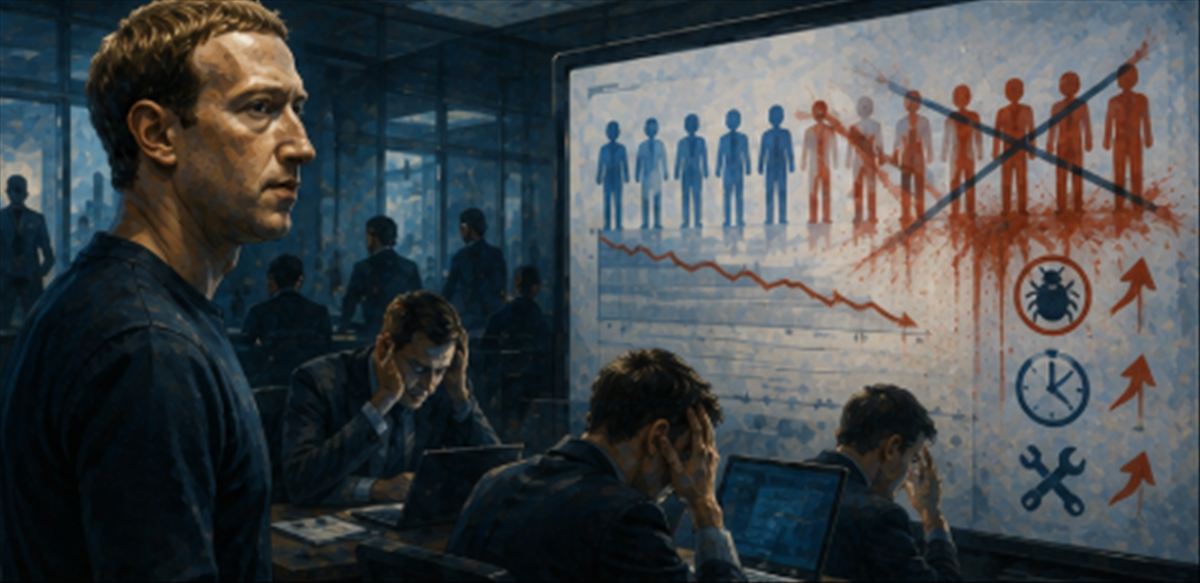
ÖzetSummaryMeta'nın seçili ekiplerin %60'ını yapay zeka ajanlarıyla değiştirmeyi öngören 'Project OT' planı, Mayıs 2026'daki ilk işten çıkarma dalgasının ardından çöktü. Bu dalgada iş gücünün %10'u, yani 7.000 çalışan, yeniden atandı. İç veriler, yapay zekâ tarafından üretilen kodun güvenlik olaylarında %40'lık bir artışa ve hata giderme süresinde %70'lik bir uzamaya yol açtığını gösterdi. Bu durum, Zuckerberg'in Kasım'daki ikinci turu duyurulmasından saatler önce iptal etmesine neden oldu.Meta's 'Project OT' plan, which aimed to replace 60% of selected teams with AI agents, collapsed following the first wave of layoffs in May 2026. This wave resulted in the reassignment of 10% of the workforce, or 7,000 employees. Internal data showed that AI-generated code led to a 40% increase in security incidents and a 70% extension in bug resolution times. This situation caused Zuckerberg to cancel the announcement of a second round just hours before it was scheduled for November. |
Neden ÖnemliWhy it mattersBu, büyük bir teknoloji şirketinin yapay zekâ tabanlı iş gücü değiştirme stratejisinin iç metriklerle kamuya açık şekilde analiz edildiği ilk iyi belgelenmiş vaka. 'Yapay zekâ tüm işi yutacak' tezine karşı nadir görülen, veriye dayalı bir karşı anlatı sunuyor. Ayrıca tehlikeli bir örüntüyü de gözler önüne seriyor: Şirketler, yapay zekânın yetkinliği üretim ortamında doğrulanmadan önce bu yetkinlik varsayımıyla kadro kesintileri yapıyor. Meta'nın deneyimi, 2026'da aynı hamleyi tekrarlayan onlarca şirket için kamuya açık bir uyarı veri kümesi haline geliyor.This is the first well-documented case where a major tech company's AI-based workforce replacement strategy has been publicly analyzed using internal metrics. It offers a rare, data-driven counter-narrative to the thesis that 'AI will swallow all jobs.' It also highlights a dangerous pattern: companies are making headcount cuts based on the assumption of AI competence before that competence has been verified in production environments. Meta's experience is becoming a public warning dataset for the dozens of companies repeating this move in 2026. |
Öne ÇıkanlarHighlights
|
EleştiriCritical takeMakale büyük ölçüde tek bir Reuters soruşturmasına dayanıyor ve hikâyeyi neredeyse tamamen 'erken otomasyon' merceğinden çerçeveliyor. Ancak Mayıs'taki %10'luk işten çıkarmaların gerçekten yapay zekânın düşük performansından mı kaynaklandığı, yoksa geriye dönük olarak yapay zekâ hatalarıyla gerekçelendirilen önceden var olan bir maliyet kesintisi mi olduğu sorgulanmıyor. %40 ve %70'lik iç metriklerin bağımsız bir doğrulamasının bulunmaması ve makalenin büyük bir haber kuruluşu yerine düşük otoriteli bir blogda yayımlanması, bu rakamların teyit edilene kadar doğrulanmamış kabul edilmesini gerektiriyor.The article relies heavily on a single Reuters investigation and frames the story almost entirely through the lens of 'premature automation.' However, it does not question whether the 10% layoffs in May were truly caused by AI's poor performance or were pre-existing cost cuts retroactively justified by AI errors. The lack of independent verification for the 40% and 70% internal metrics, and the fact that the article was published on a low-authority blog rather than a major news outlet, require these figures to be considered unverified until confirmed. |