 Img2BIM: Yapay zeka ile mimari tasarımın ilk aşamaları yeniden şekilleniyorImg2BIM: AI Reshapes the Initial Phases of Architectural DesignHabere gitRead the article Türkçe (otomatik çeviri) English (automatic translation) |
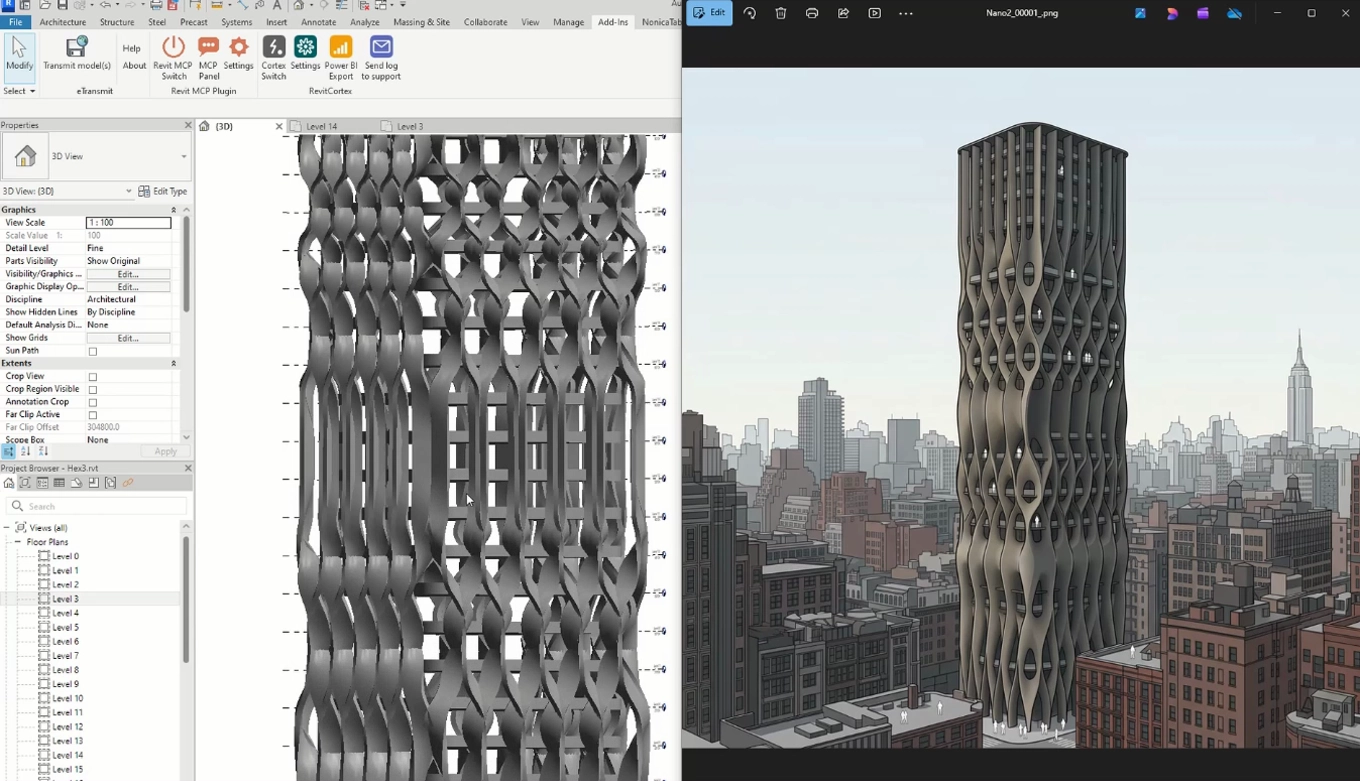
ÖzetSummaryMakale, yapay zekâ tarafından üretilen görsellerin BIM modellerinin yeniden oluşturulması için başlangıç tohumu olarak kullanıldığı 'img2BIM' iş akışını öneriyor; bu yaklaşım, geleneksel modelden görselleştirmeye giden süreci tersine çeviriyor. Yazar, bu yöntemin fikir üretimini hızlandırıp görselleştirmeyi demokratikleştirdiğini savunurken, yapay zekâ görsellerinin yapısal mantık içermemesi ve tasarım gerekçesini aşındırabileceği konusunda uyarıyor.The article proposes an 'img2BIM' workflow where AI-generated images are used as the seed for reconstructing BIM models; this approach reverses the traditional process from model to visualization. The author argues that this method accelerates idea generation and democratizes visualization, while warning that AI images lack structural logic and can erode design rationale. |
Neden ÖnemliWhy it mattersGörsel-öncelikli iş akışları yaygınlaşırsa, erken tasarım aşaması haftalardan saatlere sıkıştırılabilir; bu da küçük firmaların büyük stüdyolarla rekabet biçimini dönüştürebilir. Metin ayrıca gerçek bir riske dikkat çekiyor: Bir formun arkasındaki 'neden' akıl yürütmeyle değil de üretilerek belirlenirse, mimarların kararlarını müşterilere ve mühendislere gerekçelendirmesi zorlaşabilir. Bu, üretken yapay zekânın BIM süreçlerinin yanına yerleşmek yerine içine entegre edildiğine dair erken bir sinyal niteliğinde.If visual-first workflows become widespread, the early design phase could be compressed from weeks to hours; this could transform how small firms compete with large studios. The text also highlights a real risk: if the 'why' behind a form is determined by generation rather than reasoning, architects may find it harder to justify decisions to clients and engineers. This serves as an early signal that generative AI is integrating into BIM processes rather than merely sitting alongside them. |
Öne ÇıkanlarHighlights
|
EleştiriCritical takeDengeli tonuna rağmen metin, bir analizden çok bir manifesto gibi okunuyor: Bir iş akışını adlandırıyor, genel geçer fayda ve riskleri sıralıyor, ancak iddiaları destekleyecek somut bir araç zinciri, vaka çalışması veya nicel kanıt sunmuyor. 'Uyarı' bölümü neredeyse her yeni tasarım aracına uyarlanabilir nitelikte ve makale, yazarın kendi atölye çalışmasının tanıtımıyla sona eriyor; bu da metnin araştırma niteliğinden çok tanıtım amaçlı olduğunu vurguluyor.Balanced in tone, but reads more like a manifesto than an analysis: it names a workflow, lists generic benefits and risks, yet provides no concrete toolchain, case study, or quantitative evidence to support its claims. The 'warning' section is generic enough to apply to any new design tool, and the article ends with a promotion of the author's own workshop; this underscores that the piece is more promotional than research-oriented. |