 fast.ai, Derin Öğrenmenin Temellerinden Sıfırdan Model Oluşturmayı Gösteren Yeni Kursu BaşlattıDeep Learning from the Foundations – fast.aiHabere gitRead the article Türkçe (otomatik çeviri) English (automatic translation) |
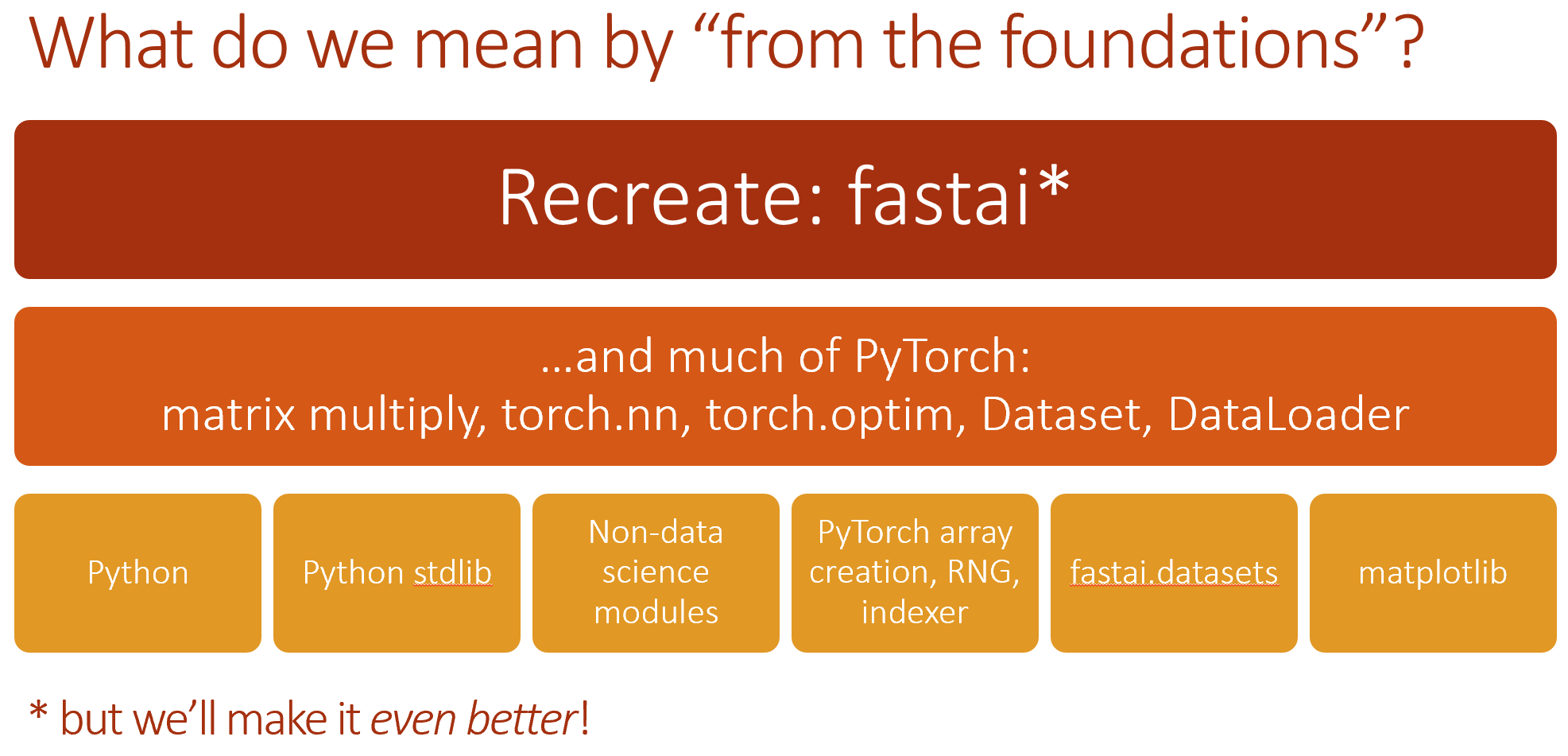
ÖzetSummaryfast.ai, öğrencileri elle yazılan matris çarpımı ve geri yayılım (back-propagation) adımlarından ImageNet sınıfı modellerin eğitimine kadar uzanan ücretsiz 15 saatlik bir kurs başlattı. Kurs, fastai ve PyTorch kütüphanelerinin önemli bölümlerini sıfırdan yeniden kodluyor. Son iki derslik Swift for TensorFlow bölümü ise Chris Lattner ile birlikte yürütülüyor.fast.ai has launched a free 15-hour course that takes students from manually implementing matrix multiplication and back-propagation steps to training ImageNet-class models. The course re-codes significant portions of the fastai and PyTorch libraries from scratch. The final two lessons, covering Swift for TensorFlow, are co-led by Chris Lattner. |
Neden ÖnemliWhy it mattersUygulayıcıların çerçeveleri genellikle siyah kutu olarak gördüğü bu alanda, iç yapıları yeniden kuran kod odaklı bir müfredat; başlatma şemaları, eğitim döngüsü, geri çağrılar (callback) ve karma hassasiyetli eğitim gibi konuları ele alıyor. Bu yaklaşım, hızla değişen mimarilere uyum sağlamada öğrenenlere kavramsal bir avantaj sağlıyor. Google Brain'in Swift for TensorFlow ekibiyle (v0.4 sürümünü eş zamanlı olarak yayımlayan) iş birliği de, derin öğrenme eğitiminin büyük ölçüde tek bir çerçeveye hapsolduğu bir dönemde nadir görülen açık ve ekosistemler arası bir eğitim girişimi olduğunu gösteriyor.In a field where practitioners often view frameworks as black boxes, this code-centric curriculum reconstructs internal structures, addressing topics such as initialization schemes, training loops, callbacks, and mixed-precision training. This approach provides learners with a conceptual advantage in adapting to rapidly evolving architectures. The collaboration with Google Brain's Swift for TensorFlow team (which released version 0.4 concurrently) highlights a rare open, cross-ecosystem educational initiative at a time when deep learning education is largely confined to a single framework. |
Öne ÇıkanlarHighlights
|
EleştiriCritical take“En son teknoloji” (state-of-the-art) çerçevesi doğası gereği zamana bağlıdır. 2019 itibarıyla kapsanan mimariler (ResNet, ULMFiT), yükselen transformer tabanlı modellere kıyasla zaten bir nesil gerideydi. Swift for TensorFlow hattı ise uzun vadeli sürdürülebilirliği belirsiz olan 0.4 sürümüne sabitlenmişti. Ayrıca Part 1'in zorunlu ön koşul olarak istenmesi, “temeller” kursunun fiilen iki kursluk bir taahhüt anlamına geldiğini gösteriyor. Bu durum, ücretsiz erişim misyonunun hedeflediği başlangıç seviyesindeki öğrencileri caydırabilir.The 'state-of-the-art' framework is inherently time-dependent. As of 2019, the architectures covered (ResNet, ULMFiT) were already a generation behind the rising transformer-based models. The Swift for TensorFlow track was also locked to version 0.4, which had uncertain long-term sustainability. Furthermore, requiring Part 1 as a mandatory prerequisite means the 'fundamentals' course is effectively a two-course commitment. This may deter the entry-level students that the free access mission aims to attract. |