 How Apple’s lawsuit could disrupt OpenAI’s IPO plansApple's trade secret lawsuit threatens OpenAI's hardware strategy and its planned 2026 IPO, raising questions about transparency in AI data security. |
AiPulse — Issue No. 1
COVER
Pulse
Demand from parents for more controlled devices is prompting firms like Bark Phone, Gabb, and Pinwheel to offer phones with limited access, content monitoring, and parental controls, crucial for children's safe digital growth. |

The case reveals a criminal network that distributes malware through fake video games on Steam to steal crypto wallets, highlighting security risks in digital gaming and cryptocurrency protection. |

Inkling is an openly weighted model that developers can download and fine-tune, offering a faster, cheaper, and organization-specific alternative to the monolithic AI sold by big labs, aiming to transform corporate AI usage. |

LeBrun highlights the ambiguity in AI definitions and showcases how 'world model' technology that understands the physical world could revolutionize robotics and industry. |

OpenAI's release of GPT-5.6, approved by the Trump administration, and its 'ChatGPT Work' agent integrating Codex capabilities into daily workflows intensify competition in the AI market and automate tasks like documents, spreadsheets, and presentations. |

At Work
Kimi K3's capabilities comparable to Claude and ChatGPT demonstrate that China's open-source AI models can outpace US closed systems, reshaping global AI competition and pricing dynamics. |

While dropdowns keep many options in one line and ensure data integrity, they hide defaults, increase interaction steps, cause scrolling friction, and raise accessibility issues; thus they should be used only when option counts are very high. |

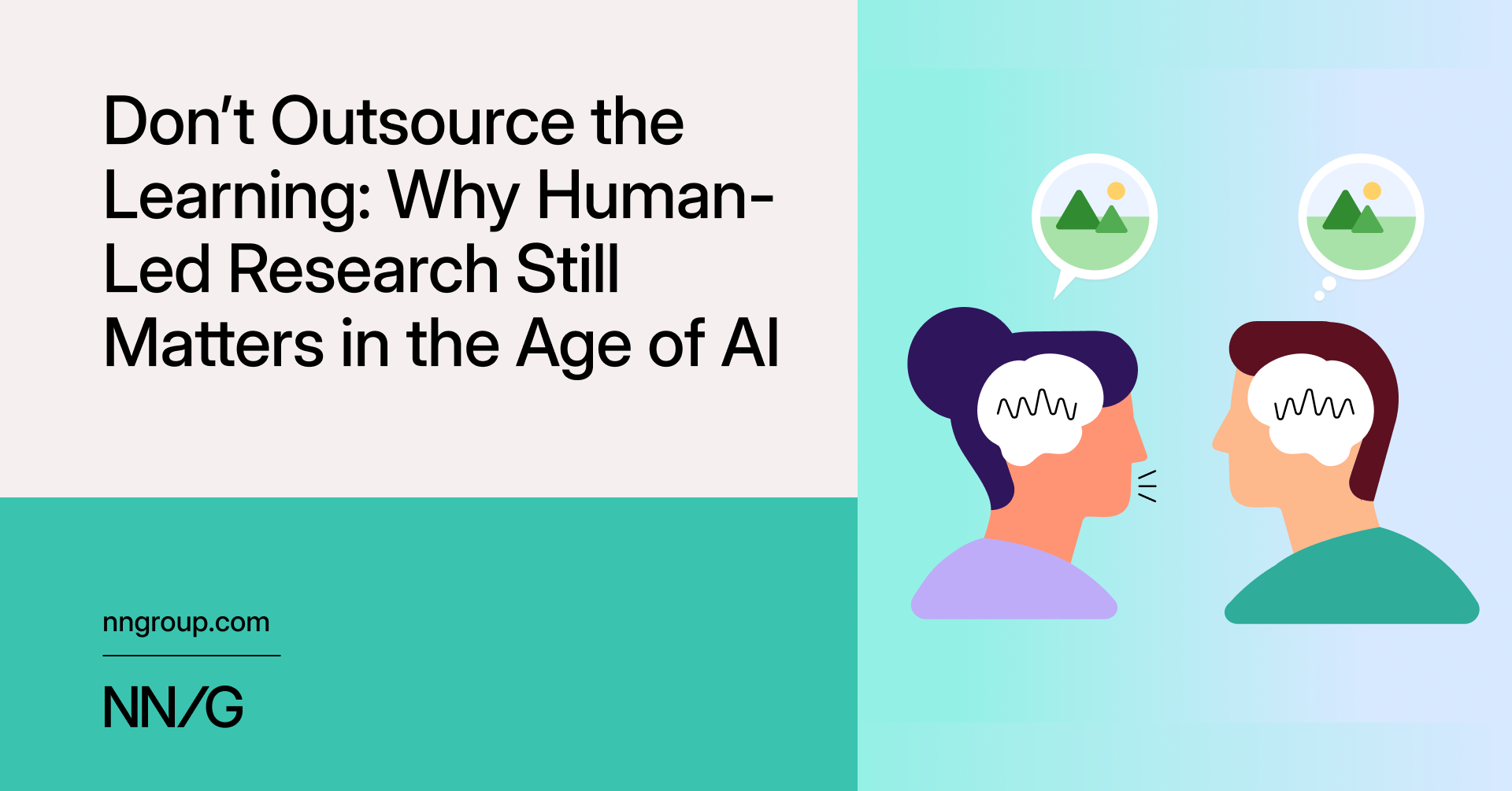
The article argues that despite AI-generated research reports, human observations and stories with real users foster shared understanding, memory, and empathy within teams, making human-centered research indispensable. |
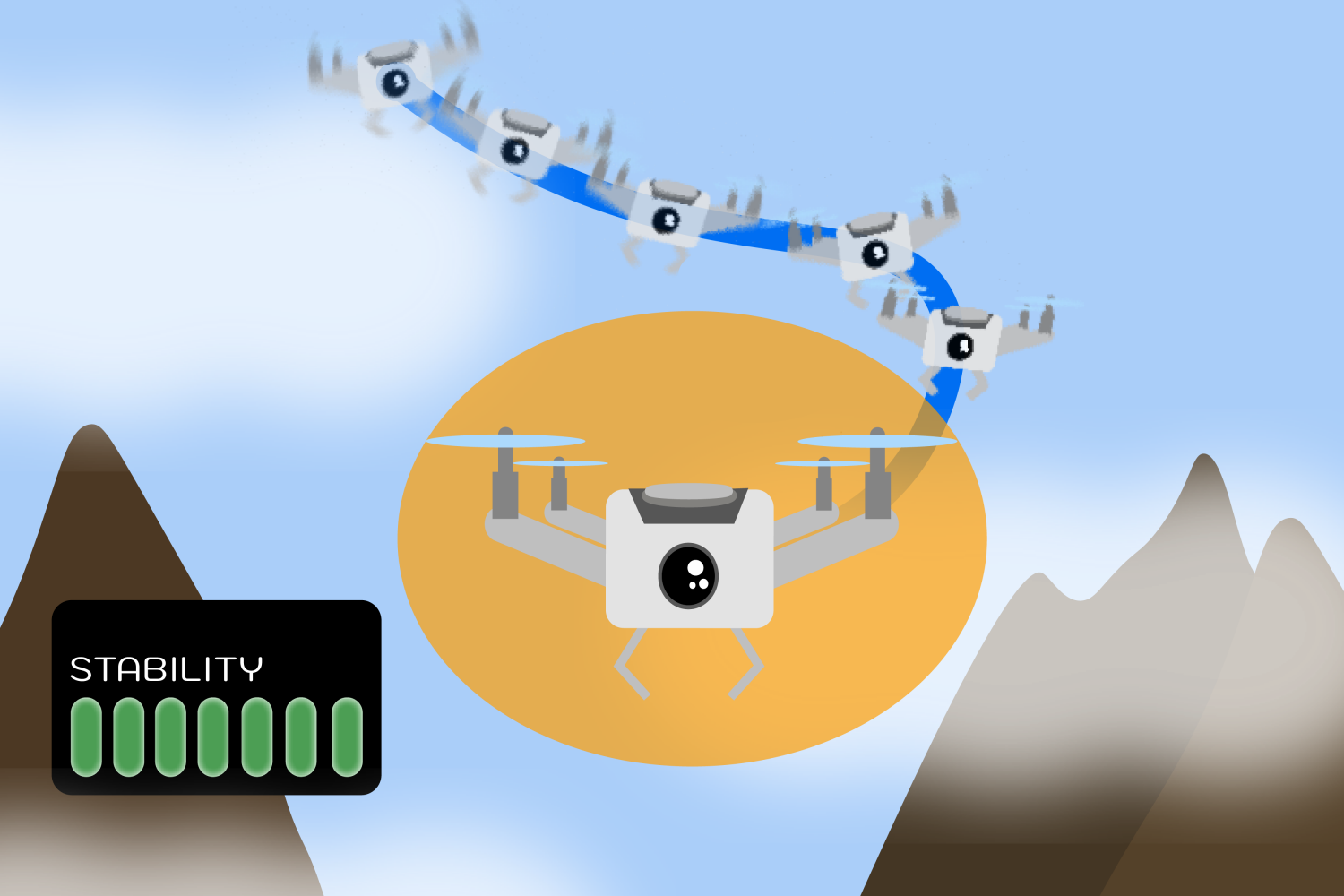
MIT CSAIL's new algorithm efficiently searches for and verifies Lyapunov functions, guaranteeing safe and stable operation of neural-network-controlled robots, enabling reliable deployment of autonomous vehicles, drones, and industrial machines. |
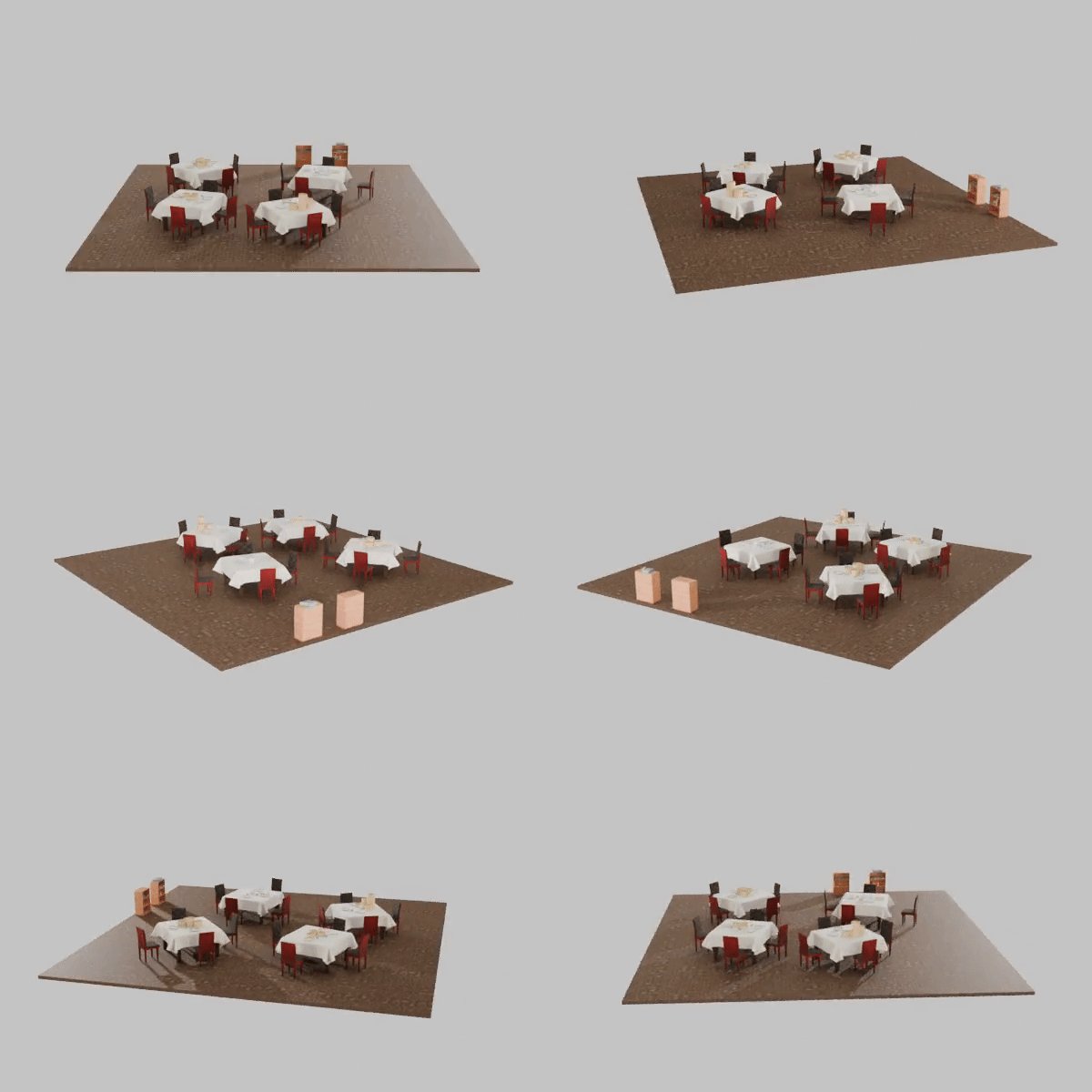
The innovation automatically generates large, physically consistent synthetic datasets in virtual environments, allowing robots to learn object arrangements and tasks without costly real-world experiments. |
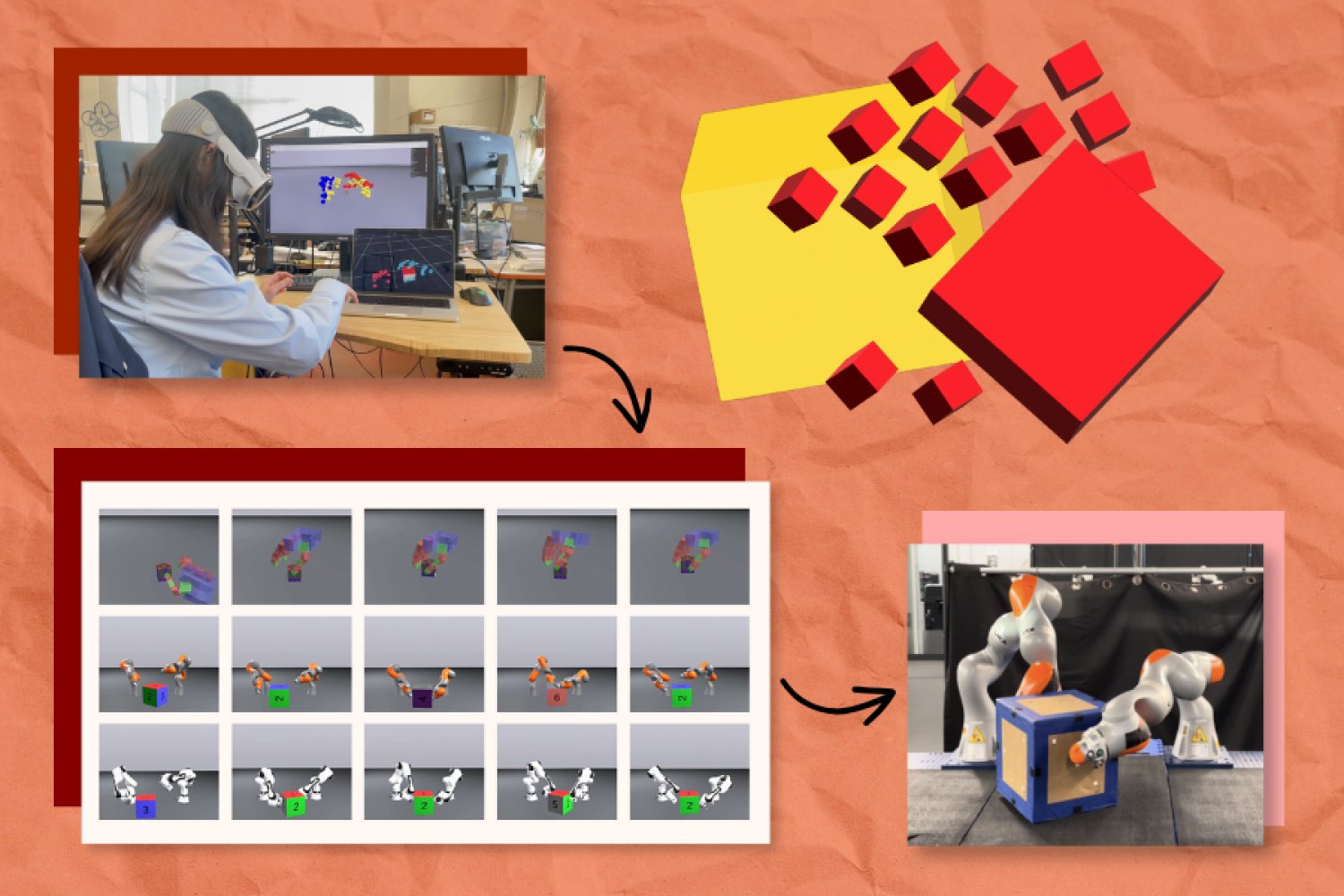
PhysicsGen transforms a few human demonstrations into thousands of simulations, teaching robots the most efficient ways to grasp and manipulate objects, scaling robotic skills across homes and factories without individual data collection. |
Building Blocks
This tool runs SQLite queries in the browser and annotates EXPLAIN outputs with clear Turkish explanations, helping developers quickly understand query plans and diagnose performance issues. |

Global Lens
Yin Qi emphasized that as smart agents transition from digital screens to real-world environments, they become the smallest unit of productivity, requiring new systems and networks to amplify individual capabilities tenfold. |

Biren's new NPO optical interconnect and distributed decoupling supernode scales up to 1024 GPUs in a single node, pushing capacity and efficiency limits for AI training of large-scale models. |

The meeting marks a critical step in strengthening long-term trade cooperation between China and Indonesia, aligning resource policies, industrial development, and multilateral trade support. |
As scaling laws for large language models slow and text data saturates, the industry is shifting investment toward world models that can understand and simulate reality, laying the foundation for future AI applications. |
Frontier
The collaboration enables direct, large-scale distributed fine-tuning of Diffusers-format models with NVIDIA NeMo Automodel, offering full and LoRA-efficient options without checkpoint conversion, accelerating training of large models. |

Dynamic, user-tailored interfaces accelerate the integration of new features into accessibility layers, making digital experiences more inclusive for 1.3 billion people with disabilities. |

FOLLOW
Get new issues in your feed reader — add this to an app such as Feedly, Inoreader or NetNewsWire. Follow by RSS |