 DNA hairpins that silence PCSK9 cut cholesterol 47% in miceResearchers at the University of Barcelona and the University of Oregon designed DNA molecules that block transcription of PCSK9, the gene behind high cholesterol. In human liver cells the PCSK9 protein fell 87%; in genetically modified mice a single injection cut cholesterol 47% by day three. No human has received it — whether it is safe and effective in people is still to be established. |
İyi Giden Şeyler — Issue No. 2
COVER
Science
Remains of the 25-meter sauropod, which lived about 150 million years ago, were discovered in Teruel, Spain. This is significant because all previously known Diplodocus specimens came from the Morrison Formation in the western United States. |

Technology
Vega-C rocket launches two European satellites from Kourou for climate monitoringThe Vega-C rocket, operated by Avio, successfully placed two European satellites into orbit from Kourou. These satellites will be used to monitor climate and plant health from space. |
Conservation
Researchers confirmed that the small wild cat living in Bolivia's cloud forests is a previously unknown species. This marks the first time a new living wild cat species has been formally described in over 100 years. |
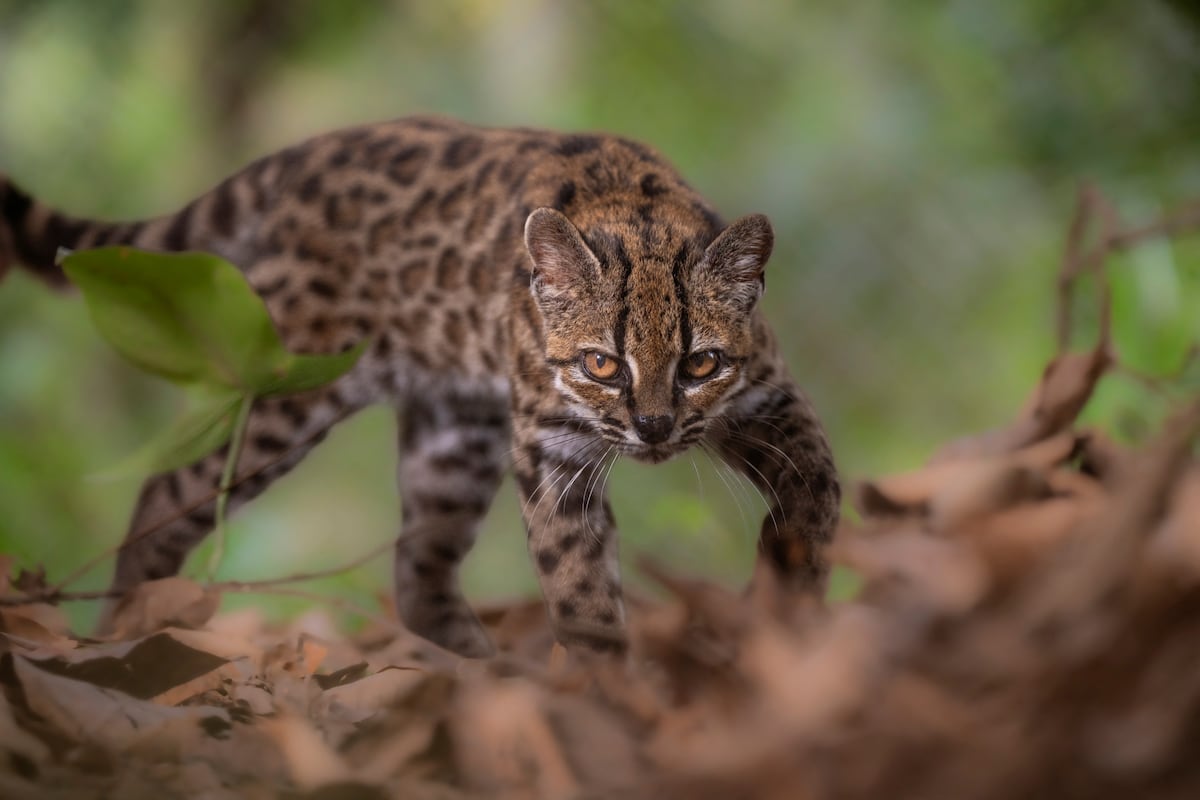
Staffordshire Wildlife Trust acquired a new area of wet woodland, marsh, and pastureland through a will. This acquisition will double the total size of the nature reserve. |

Field surveys indicate that blue crab populations in the Chesapeake Bay are responding to conservation measures after years of low numbers. This recovery suggests that implemented strategies are effectively supporting the crustacean comeback. |

FOLLOW
Get new issues in your feed reader — add this to an app such as Feedly, Inoreader or NetNewsWire. Follow by RSS |