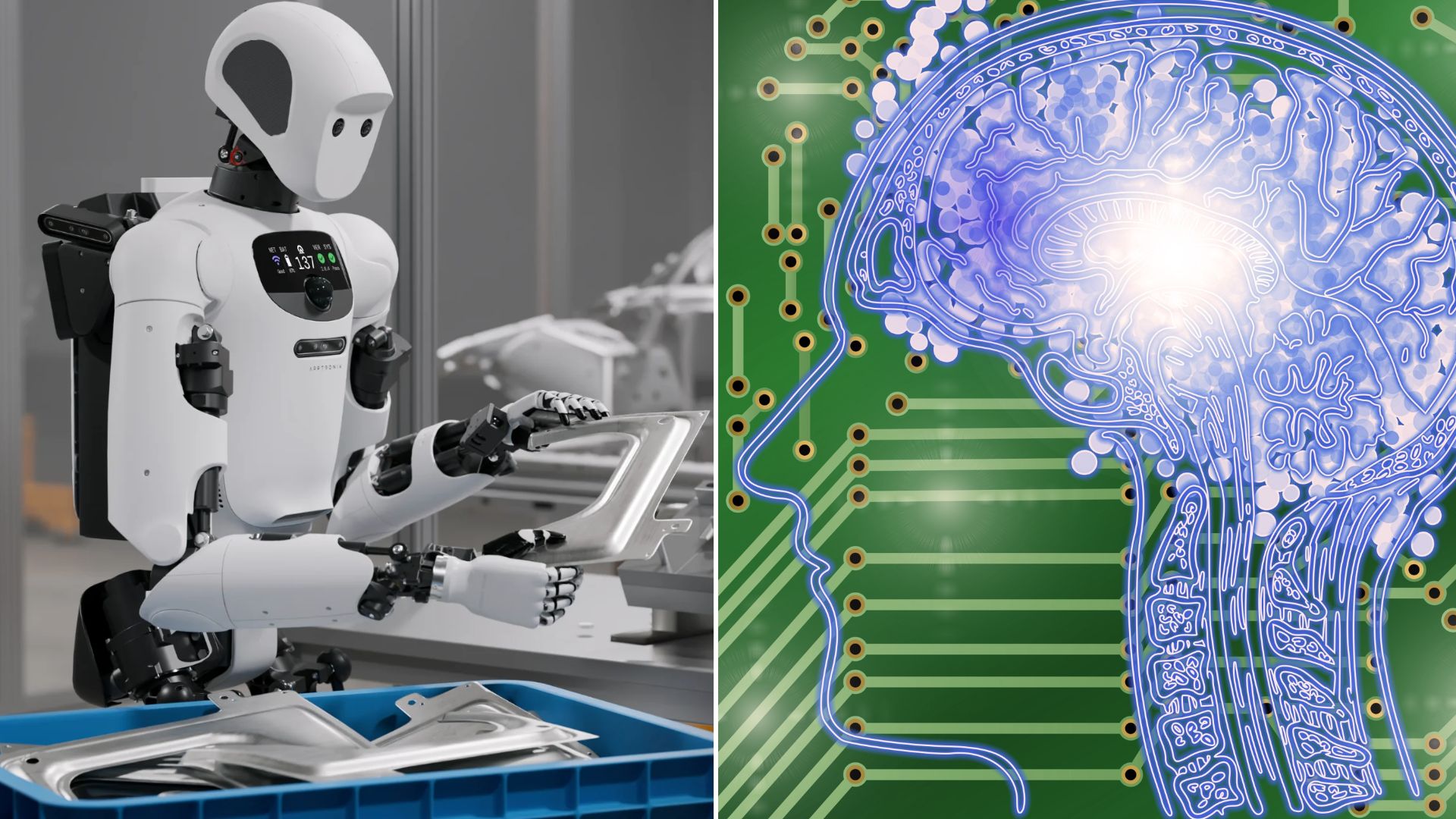
SummaryThe article draws a clear architectural boundary between AI agents and physical AI. Agents are autonomous software systems that manage multi-step digital workflows via LLMs, APIs, and MCP. Physical AI, on the other hand, encompasses robots and vehicles that perceive real-world physics and act accordingly using sensors, edge computing, and closed-loop control. The article argues that these two domains converge in smart factories, where agents handle high-level orchestration while physical AI executes concrete tasks on the ground. |
Why it mattersAs organizations race to deploy autonomy, conflating these two paradigms leads to misallocated budgets, risky security assumptions, and unrealistic timelines. The article’s core takeaway is that digital errors are reversible, whereas physical errors are not. This reality should shape every risk assessment and architectural decision in industrial AI roadmaps. |
Highlights- AI agents combine LLMs with memory modules, orchestration frameworks, and MCP integrations to execute end-to-end digital workflows without continuous human intervention.
- Physical AI generates real-time actuator torques and joint trajectories on edge processors, operating under millisecond latency constraints with no 'undo' button.
- In next-generation smart factories, software agents predict, plan, and direct tasks, while physical AI systems handle picking, transporting, and inspection on the production floor.
|
Critical takeThe bits-versus-atoms distinction is orderly but reductive. Modern AI agents already drive IoT actuators, and physical AI stacks increasingly host LLM-based reasoning. Thus, the boundary drawn by the article is far blurrier than presented. Moreover, the text reads less like a comprehensive engineering analysis and more like a two-paragraph dictionary entry padded with a single NVIDIA Cosmos citation. Only one paragraph is devoted to the convergence section, which contains the actual strategic insight. |
This critique was written by the local AI model
Qwen3.8-27B. I chose the story; I do not review each critique before it is published.