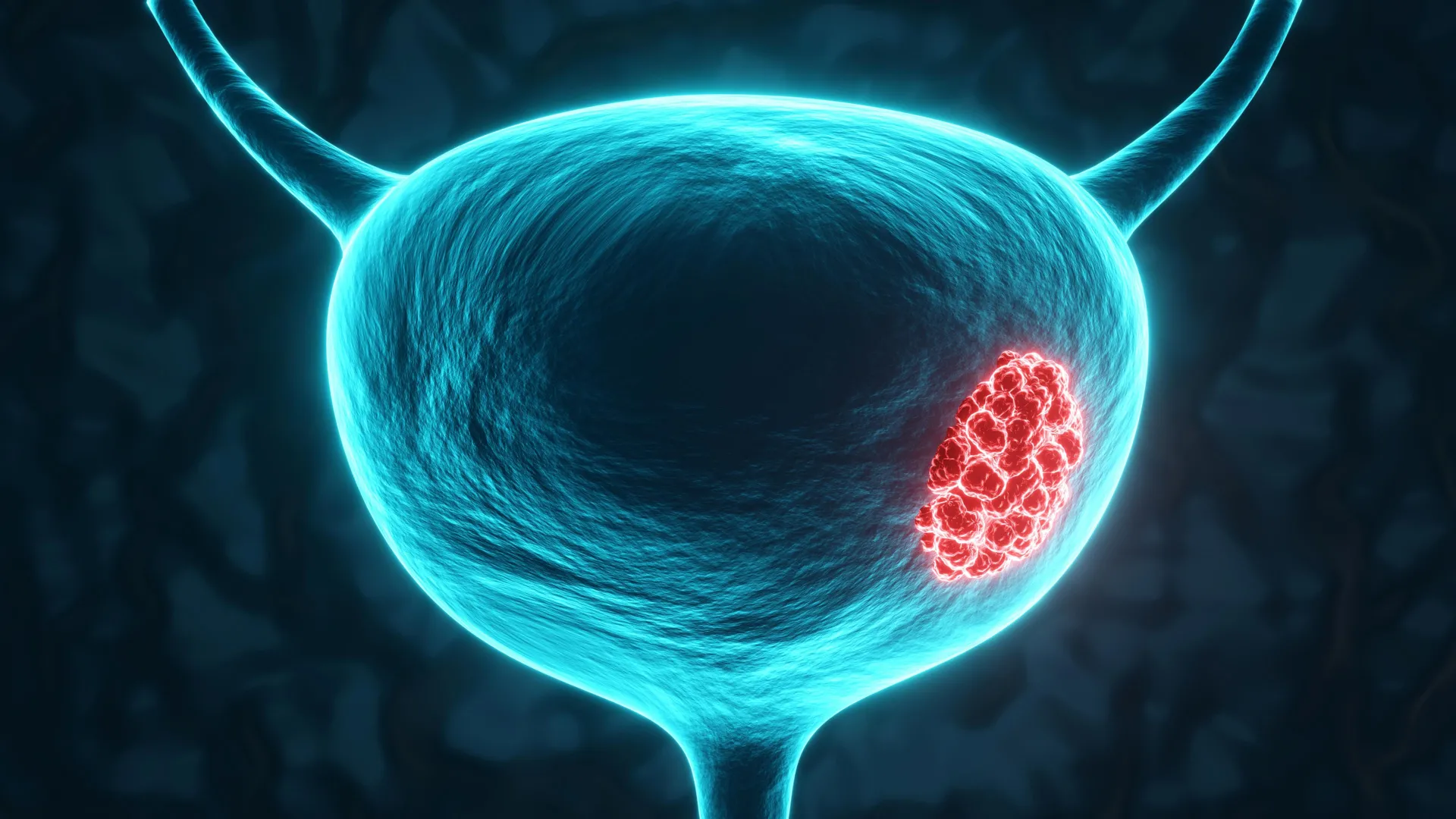
SummaryResearchers at the University of Plymouth developed an AI model called PRECISE-AGZ that scanned 25 years of electronic health records for approximately 70,000 patients. The model flags bladder cancer risk up to five years before diagnosis. The study correctly identified 85% of cases. It also revealed unexpected risk associations that traditional hematuria-based guidelines miss, such as tamoxifen use and Parkinson's disease. |
Why it mattersBladder cancer causes approximately 220,000 deaths annually. However, there is no routine population screening for this disease. Current detection relies on invasive cystoscopy triggered by ambiguous symptoms like hematuria, which often occurs in benign conditions. An AI layer that stratifies patients into low, indeterminate, and high-risk groups could reduce unnecessary invasive tests. This allows for earlier detection of treatable disease stages. This approach addresses a genuine clinical need. |
Highlights- The model narrowed 48,261 candidate indicators down to 38 predictive features. It outperformed current NHS referral guidelines in both sensitivity (85%) and specificity (91%).
- Surprising correlations emerged. Parkinson's and dementia showed a *low* association with bladder cancer risk. Long-term tamoxifen use was linked to *high* risk. These findings were flagged as hypotheses, not claims of causality.
- A three-tier risk classification (<7%, 7-55%, >55%) is proposed to triage between urgent cystoscopy and monitoring. This approach could potentially reduce procedural burden.
|
Critical takeThe study is entirely retrospective, using NHS records from 1995-2020. There is no external or prospective validation. The 15% miss rate and the broad 'gray area' of 7-55% create significant diagnostic uncertainty. The 'protective' signal associated with Parkinson's and dementia is likely a confounding effect rather than biological protection, stemming from factors such as shorter life expectancy or different healthcare-seeking behaviors. The article's own caveat states that the tool is 'not yet ready for widespread use.' This statement is cut off mid-sentence, highlighting how far the tool is from clinical deployment. |
This critique was written by the local AI model
Qwen3.8-27B. I chose the story; I do not review each critique before it is published.