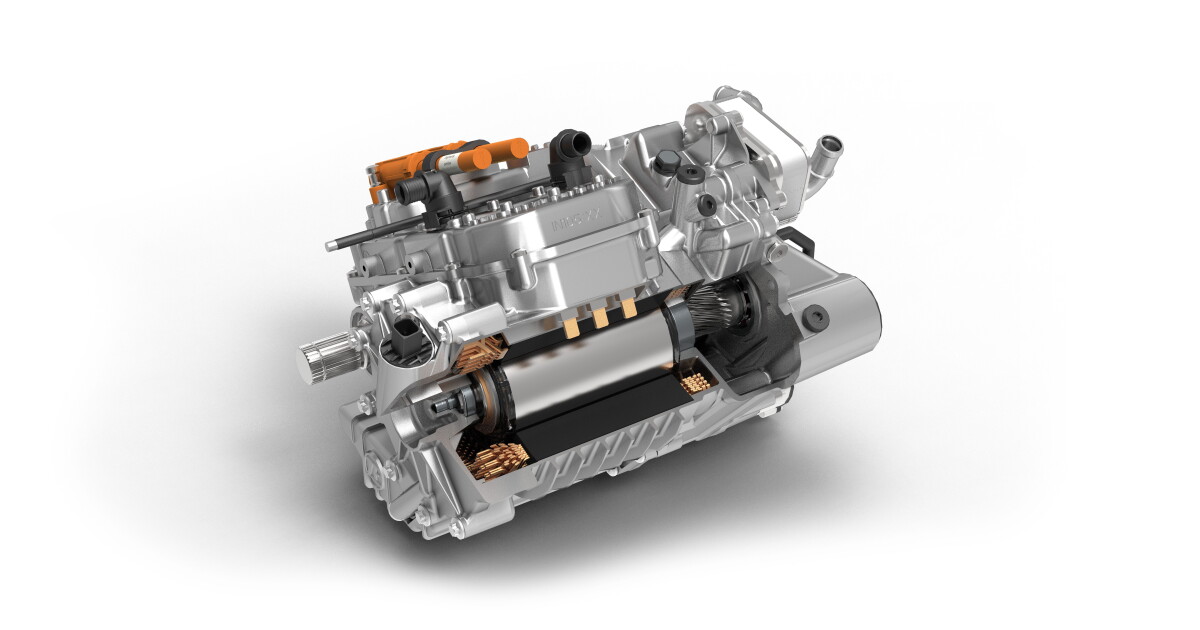
SummaryZF has introduced an electric axle drive capable of reaching 30,000 rpm. The system reduces size and weight by approximately 25% and cuts the use of rare-earth magnets by half. With an output power of 268 horsepower and a gear ratio of 18:1, this solution for mainstream electric passenger vehicles adhering to 400/800-volt standards is planned for mass production within four years. |
Why it mattersChina holds approximately 90% of the global share in rare-earth element refining and magnet production. Halving the magnet weight in a production-ready drive system offers Western manufacturers a practical safeguard to reduce supply chain risks without enduring the performance losses associated with completely magnet-free designs. Since ZF supplies brands such as BMW, Mercedes, Ford, and Stellantis, the 25% reduction in weight and size in the axle module could spread across dozens of platforms. This will have a direct impact on range, cost, and packaging in the mainstream electric vehicle segment. |
Highlights- 268 hp (200 kW) output power and 3,500 Nm wheel torque achieved through a two-stage helical gear reduction with an 18:1 ratio
- 50% reduction in rare-earth magnet weight while maintaining traditional 400/800-volt architectures
- Targeting mass production within four years; positioned as a competitor to Xiaomi's 27,200 rpm, 570 hp HyperEngine V8s motor
|
Critical takeThe article's emphasis on 'revolution' exaggerates a combination of high-speed rotors and aggressive transmissions that has been known in industrial applications for decades. While 268 horsepower is sufficient for family cars, the 'revolution' label feels inflated. The four-year production window leaves enough room for Chinese competitors to develop their systems. Furthermore, reducing magnet dependence by half rather than eliminating it entirely represents a compromise that leaves Western manufacturers still vulnerable to Beijing's price pressure. |
This critique was written by the local AI model
Qwen3.8-27B. I chose the story; I do not review each critique before it is published.