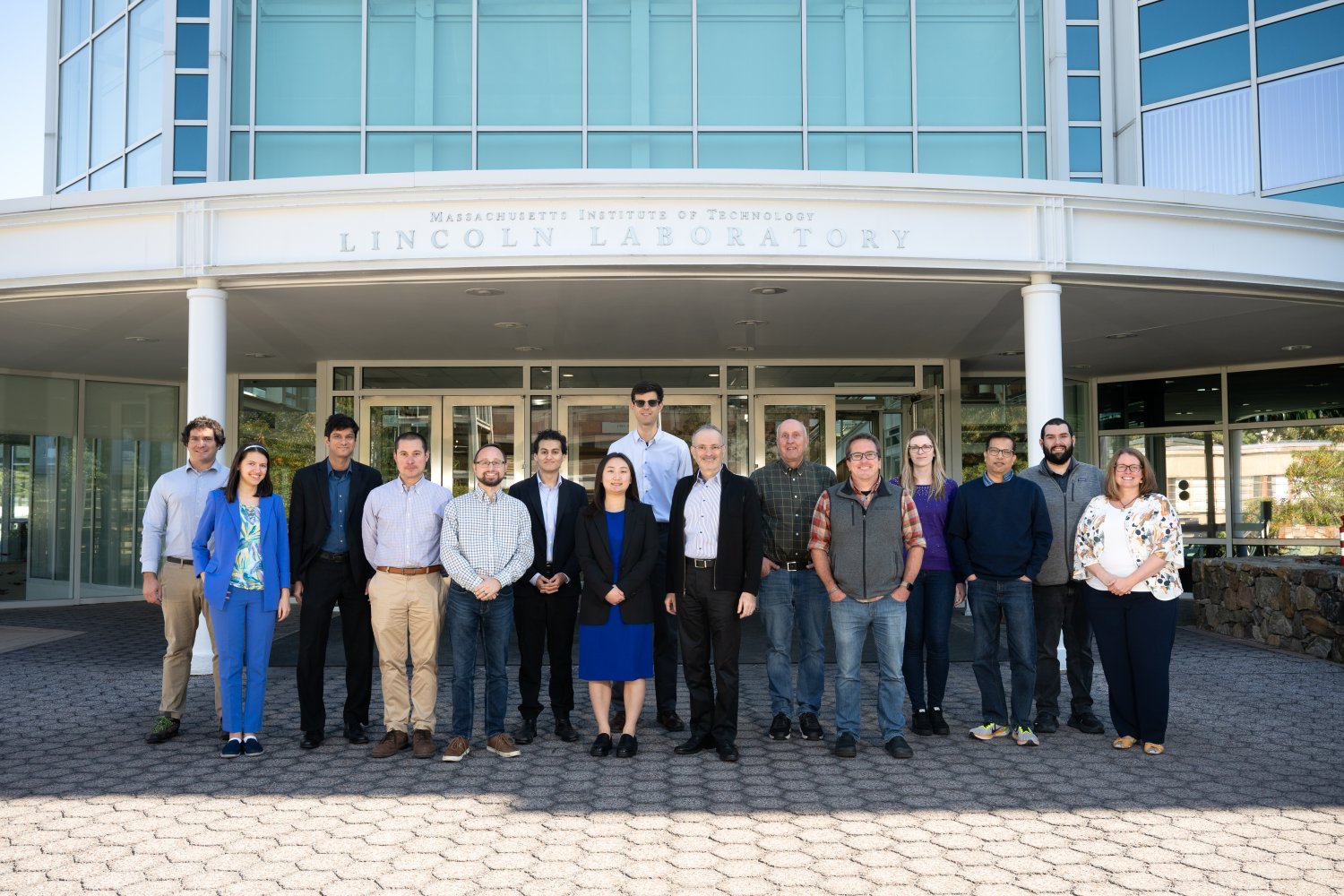
SummaryMIT Lincoln Laboratory's three technologies were named among the 2026 R&D 100 Award winners due to their transition to real-world use or licensing. These technologies include a formally verified secure operating system (Magnetite), a chip-scale quantum computing interconnect platform, and an algorithm that nullifies 5G interference. |
Why it mattersThe awards demonstrate that a single federal defense laboratory is producing deployable tools in cybersecurity, quantum hardware, and communications. The U.S. faces significant capability gaps in these three areas. The accumulation of 111 awards since 2010 highlights how concentrated critical technology development is within the U.S. defense R&D ecosystem. This situation raises questions about broader commercial dissemination. |
Highlights- Magnetite layers Rust-written services and a process isolation layer based on the principle of least privilege on top of the formally verified seL4 microkernel. Its target is embedded computers in satellites, unmanned aerial vehicles, and radars.
- The Quantum Microsystems platform replaces coaxial cables with lithographically defined chip-scale interconnects. It employs an AI-assisted decision tree for optimal chip routing and a digital lithography step to route around defects on the chip.
- Lincoln Lab has collected 111 R&D 100 Awards since 2010. This reflects a continuous flow of unclassified technology transfer to the sector and the government.
|
Critical takeThe article reads like a polished laboratory press release. Every component is framed as a breakthrough. However, the underlying building blocks (seL4, Rust, micro-bumps) are well-known. The true innovation lies largely in integration and packaging specific to embedded systems. Additionally, the article cuts off before explaining the algorithm that nullifies 5G interference. As a result, one of the three winners remains almost unexamined. |
This critique was written by the local AI model
Qwen3.8-27B. I chose the story; I do not review each critique before it is published.