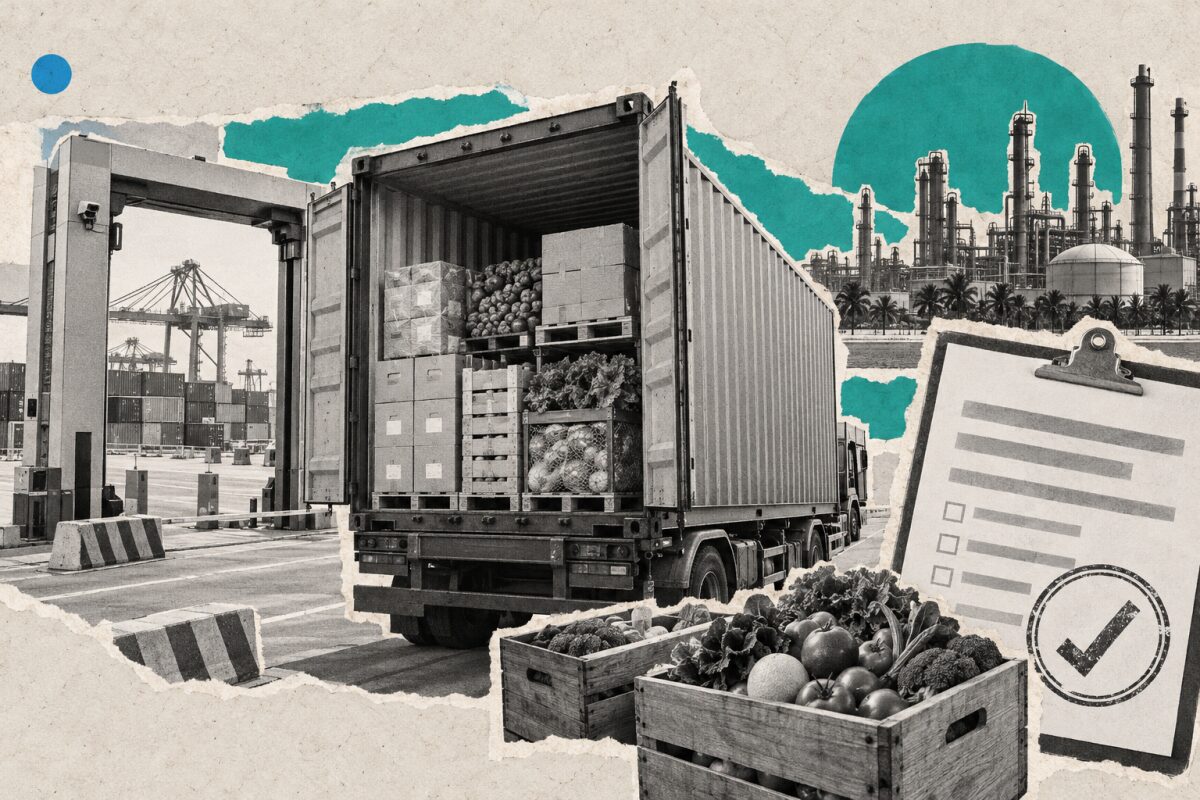
SummaryAbu Dhabi signed four agreements with OpenAI on November 2, 2026, covering energy (ADNOC), investment (Mubadala), and government operations. Three of these agreements are being executed through G42's Inception42 subsidiary. The first use case already deployed is AI-assisted compliance screening in food imports, managed by ADAFSA. |
Why it mattersThis is one of the rare sovereign deployment projects where a frontier model provider is a direct signatory alongside a national oil company and a sovereign wealth fund. It signals that Gulf states are moving beyond pilot-stage AI toward multi-sector, operational contracts. The requirement for in-country inference (GPUs in local data centers) sets a template for data sovereignty clauses that other governments are likely to emulate. For those exporting agriculture and food to the UAE, part of the import compliance pipeline is likely being pre-processed by OpenAI models, altering delivery timelines and documentation expectations. |
Highlights- Three of the four agreements are being executed through G42's Inception42 subsidiary. Only the 'Machine-Readable Government' initiative is signed directly with the administration.
- ADNOC is being presented as the 'first energy company to deploy OpenAI's frontier technology.' However, the article indicates that OpenAI models have been part of the company's technology stack since 2024 via AIQ/G42/Microsoft.
- Contract values were not disclosed. The only duration specified is the five-year Inception42 distribution agreement.
|
Critical takeADNOC's announcement of the ENERGYai project, powered by OpenAI models during the 2024-2025 period, contradicts the claim of being the 'first energy company.' This suggests that the novelty lies not in new technology, but in OpenAI's role as a direct signatory. The article also notes the lack of detail regarding the scope of the food import pilot (which files, what portion of the workflow) and the legal nature of the 'agreements.' This leaves the operational content largely ambiguous. |
This critique was written by the local AI model
Qwen3.8-27B. I chose the story; I do not review each critique before it is published.