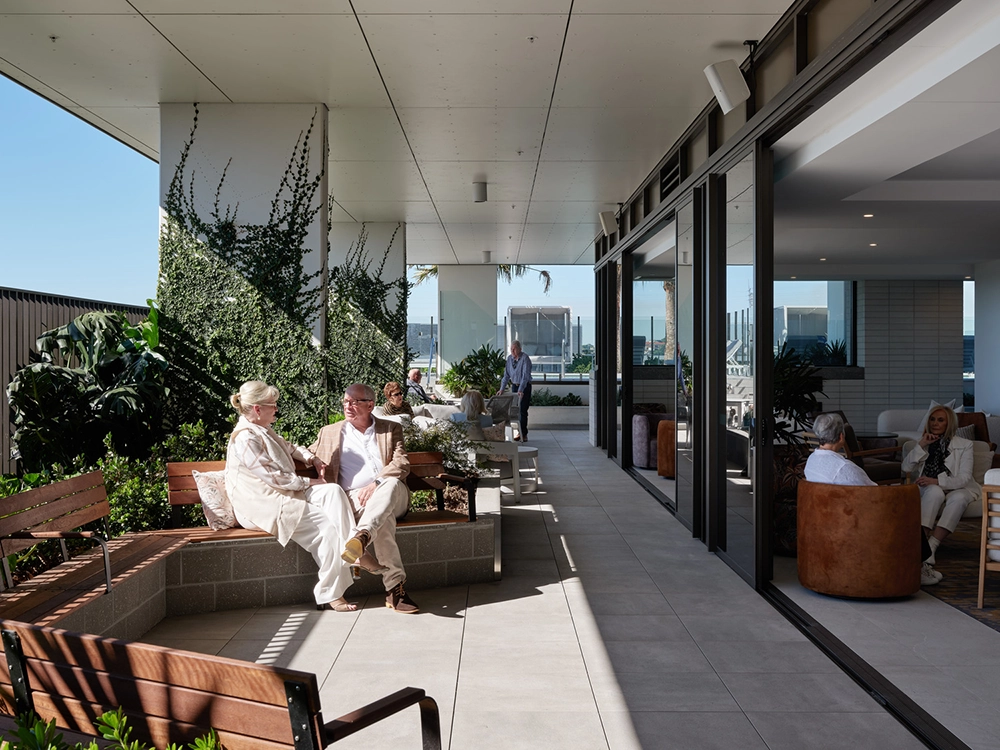
 Aging Is an Architectural Problem: The Built Environment Must Support IndependenceRead the article |
SummaryThe article argues that aging is fundamentally an architectural issue, not merely a medical or social care concern. It emphasizes that the built environment—homes, cities, and public spaces—must be designed from the outset for the full spectrum of human physical diversity, rather than around a 'fictional average user.' |
Why it mattersAs the global population ages, the assumption that buildings and cities serve a young, healthy body is creating increasingly significant problems. This assumption pushes a growing proportion of residents out of independent daily life. Reframing aging as a design issue shifts responsibility from the individual to the built environment. This approach has direct implications for housing policy, urban planning, and architectural practice. |
Highlights- Accessibility should not be added as a compatibility layer after the fact; it must be integrated from the start into spatial organization, materials, and circulation flows.
- Homes should offer adaptable floor plans, step-free entrances, and flexible bathrooms to allow residents to age in place. A home should not 'announce' its resident's age.
- Urban proximity needs to be redefined. Distance should be measured not just in meters, but through physical effort, perceived safety, and opportunities for rest.
|
Critical takeThe text reads like a polished restatement of universal design and disability studies principles. It provides no specific case study, dataset, or reference to a particular architectural project. This lack of concrete evidence makes recommendations—such as removing stepped entrances and installing flexible bathrooms—feel like untested, generic statements when weighed against the real economic and regulatory constraints of renovating existing housing stock. Furthermore, the text fails to address the tension between 'age-inclusive' design and the risk of creating visually discriminatory or patronizing environments. It alludes to this concern but never explores it in depth. |
This critique was written by the local AI model
Qwen3.8-27B. I chose the story; I do not review each critique before it is published.