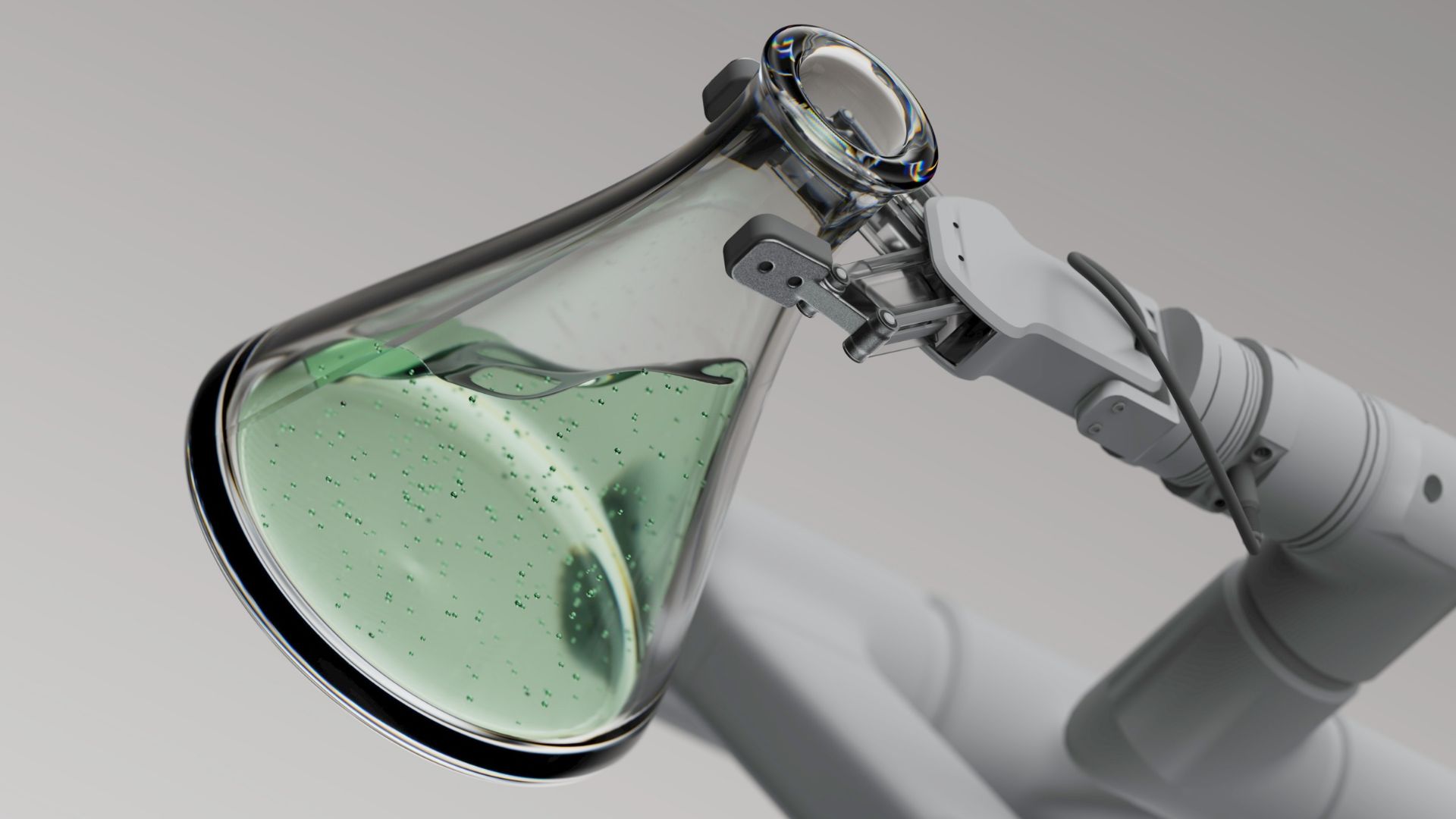
 Anthropic's Claude model designs 35,000 antibodies for food allergiesIn collaboration with Divergence Labs, Claude generated approximately 35,000 antibody designs in one month. Laboratory tests showed that these designs are promising candidates for the treatment of food allergies. |
AiPulse — Issue No. 101
COVER
Pulse
DeepMind unveils Genie 4 world model promising more realistic physics and human interactionGenie 4 accelerates the development of AI simulations by offering more realistic physical and social dynamics. |
New neural framework could make LLMs more empatheticThe new neural framework can enhance AI's ability to better understand and respond to human emotions. |
Dallas-based investment firm Disruptive will invest up to $1 billion at once in at least 10 late-stage companies. This has been recorded as the largest venture capital fund raised in Texas history. |

At Work
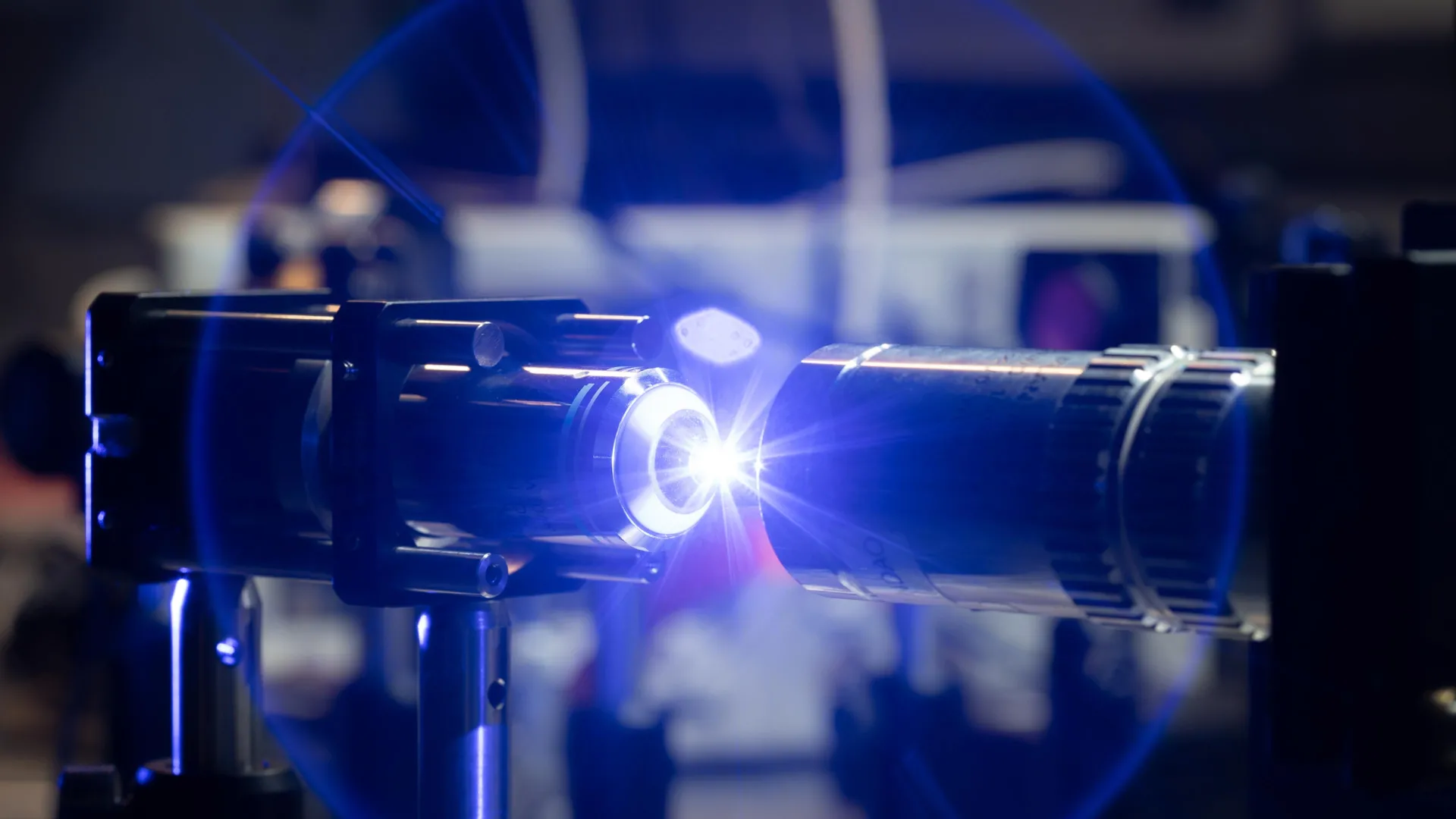
Researchers have shown that writing data by altering magnetic states with a laser beam could be 1,000 times faster than conventional methods. This technique could pave the way for smaller, faster, and more energy-efficient memory devices. |
The new platform enables large language models to run on-device, featuring 128 GB of unified memory and a powerful GPU. As a result, users can escape cloud dependency, reducing privacy and latency issues. |

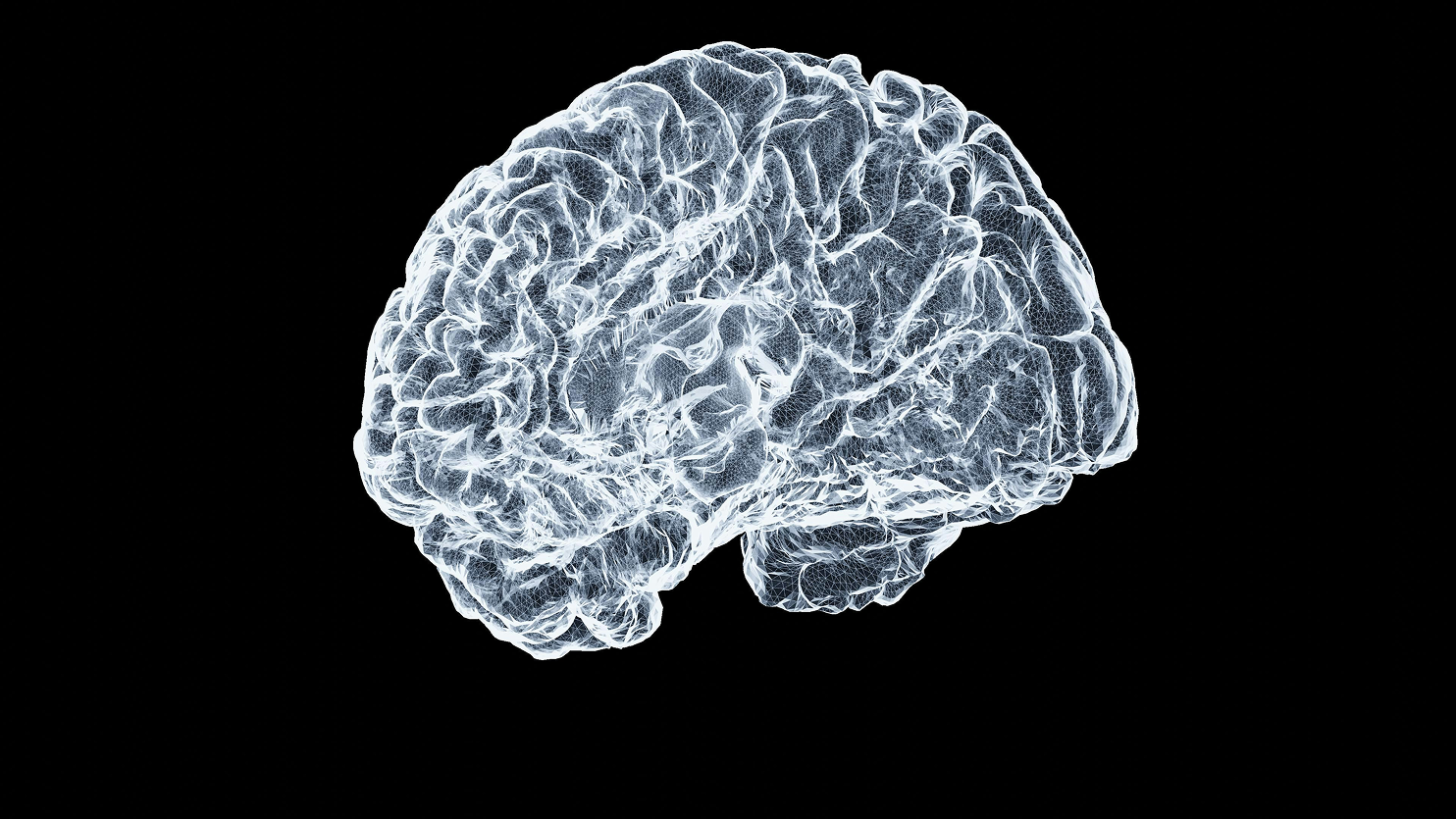
The C-BRAIN consortium is accelerating the discovery process for Alzheimer's disease by deploying open-source artificial intelligence tools in collaboration with NVIDIA. This system aims to reduce analyses that take weeks to minutes by securely utilizing 'dark data' that is not shared between institutions. |
Pixobots teaches robot arms to integrate with Rhino and GrasshopperIn the free webinar to be held on November 11, participants will learn to integrate various robotic arms, from SO-101 to KUKA, into their design workflow and to achieve real-time control with Pixobots. |
Building Blocks
webframe evaluated as a fast, lightweight browser script runnerWebframe stands out as a fast and lightweight tool with performance similar to shot-scraper for web scraping tasks. However, significant flaws were identified, including CSP errors, a 0x0 viewport, and missing HTTP data. |
Global Lens
The new model supports corporate research processes by offering the 'Deep Research' feature, which combines internal documents with web search. PFN has also launched a free usage plan for the API. |
In the new model, graphics performance increases by 30 percent, while artificial intelligence processing improves by 25 percent. The device will open for pre-orders on October 28, 2026, and go on sale on November 6. |

Genie 4 offers the possibility of real-time audio generation by improving human simulations and physics rules. The model is currently available to a limited test group and will later be offered to Google AI Ultra subscribers. |

NIST has released the NISTIR 8547 report to help federal agencies plan their transition to quantum-resistant standards between 2030 and 2035. This document clarifies the timeline and transition strategies for vulnerable algorithms that require urgent action against the "harvest now, decrypt later" threat. |

The new model offers improvements in coding, debugging, and agentic tasks, while API prices are approximately 33% lower than K3's. The full weights are scheduled for release on November 4, 2026. |

JetBrains has introduced JetBrains Air, an open product system designed to coordinate AI agents at both the individual and team levels. This system aims to provide a multi-vendor development environment by integrating with JetBrains IDEs as well as external tools. |

Watch & Listen
The company details Opus 5.5's world-leading position during the IPO process and its security approach through the 'separation of brain and hands' method. It also highlights the positioning of the Claude Platform as an agent-based development environment and the announcement of the company's first profitable quarter. |

Fun & Curious
Researchers at Delft University of Technology have demonstrated that they can control nuclear spin using radio waves, even in cases where the nuclear and electron spins are largely decoupled. This finding challenges existing theoretical expectations and opens the door to new control mechanisms for quantum information storage. |
FOLLOW
Get new issues in your feed reader — add this to an app such as Feedly, Inoreader or NetNewsWire. Follow by RSS |