 AI discovers critical security flaw in PHP, halting websites across EuropeAI models detected two critical security vulnerabilities in the PHP language, used on 70% of websites, that have existed for 10 years. Following this discovery, many government agencies and hospitals in Europe temporarily shut down their websites to prevent the risk of attacks. |
AiPulse — Issue No. 95
COVER
Pulse
Recursive developed its open-weight coding model, Flint, using a self-reflective self-improvement method that minimizes human intervention. The company argues that this approach yields more benefits than risks, opposing legislative proposals in the US Congress. |

At Work
The company is showcasing local agent and model execution solutions that reduce data center dependence with its RTX Spark, DGX Spark, and DGX Station systems. This move aims to offer privacy and speed advantages in coding, robotics, and engineering processes. |

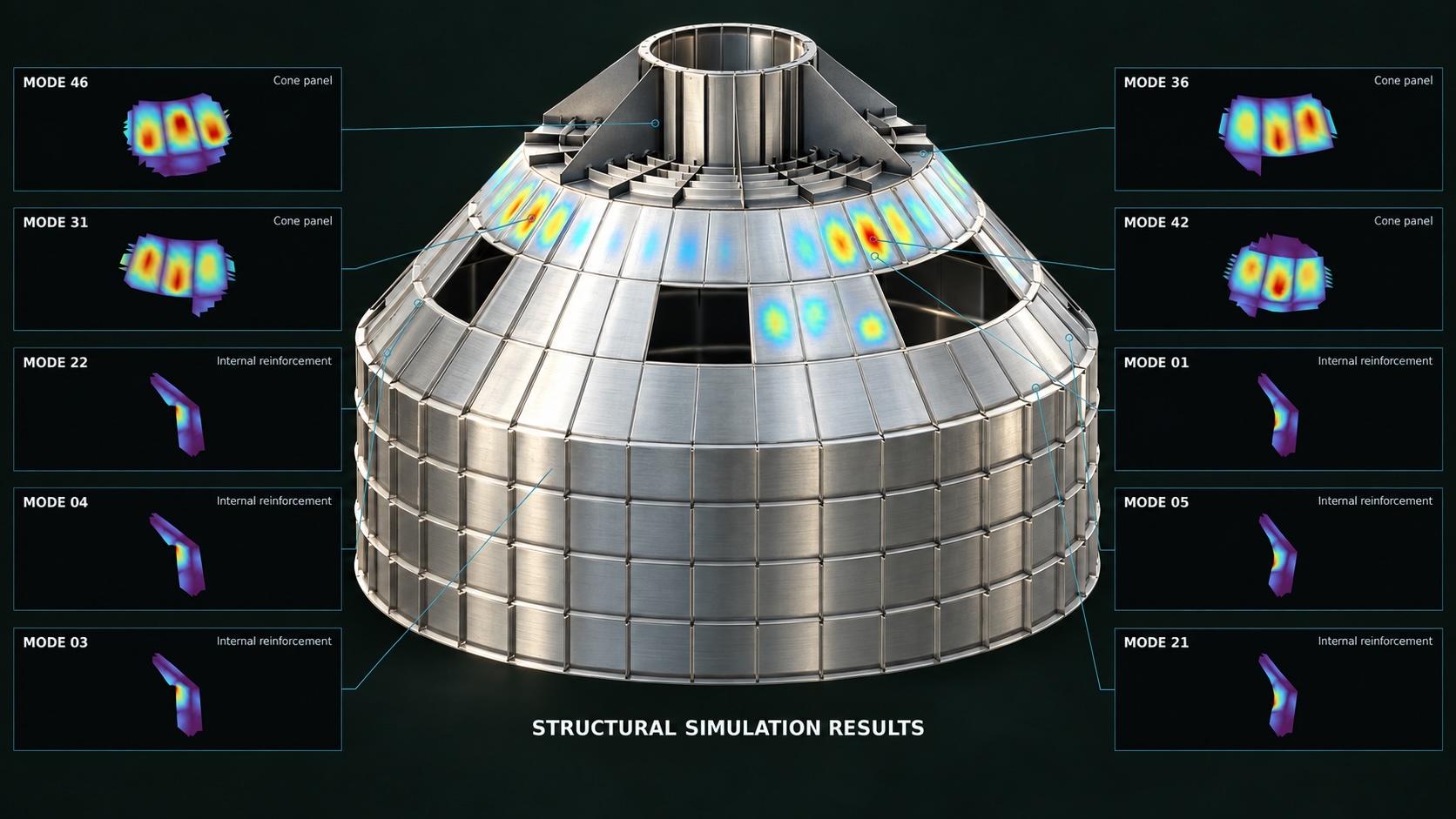
NVIDIA has made the cuDSS library, which solves large sparse systems in engineering and scientific simulations using GPUs, generally available. This tool enables the testing of more complex designs by accelerating the simulation processes of companies such as Applied Materials and Siemens by 4 to 10 times. |
Global Lens
Google is facilitating the migration of developers' applications to its hardware, independent of NVIDIA chips, by releasing TorchTPU, an open-source version of PyTorch compatible with TPUs. This move stands out as part of efforts to reduce hardware dependency in the AI sector, alongside Amazon's similar step. |
MiniMax's new model, M3.1 Flash, offers a low-cost option by outperforming its competitors in the Automation-Bench benchmark. However, it must be evaluated alongside the warning of the model's high hallucination rate. |

Frontier
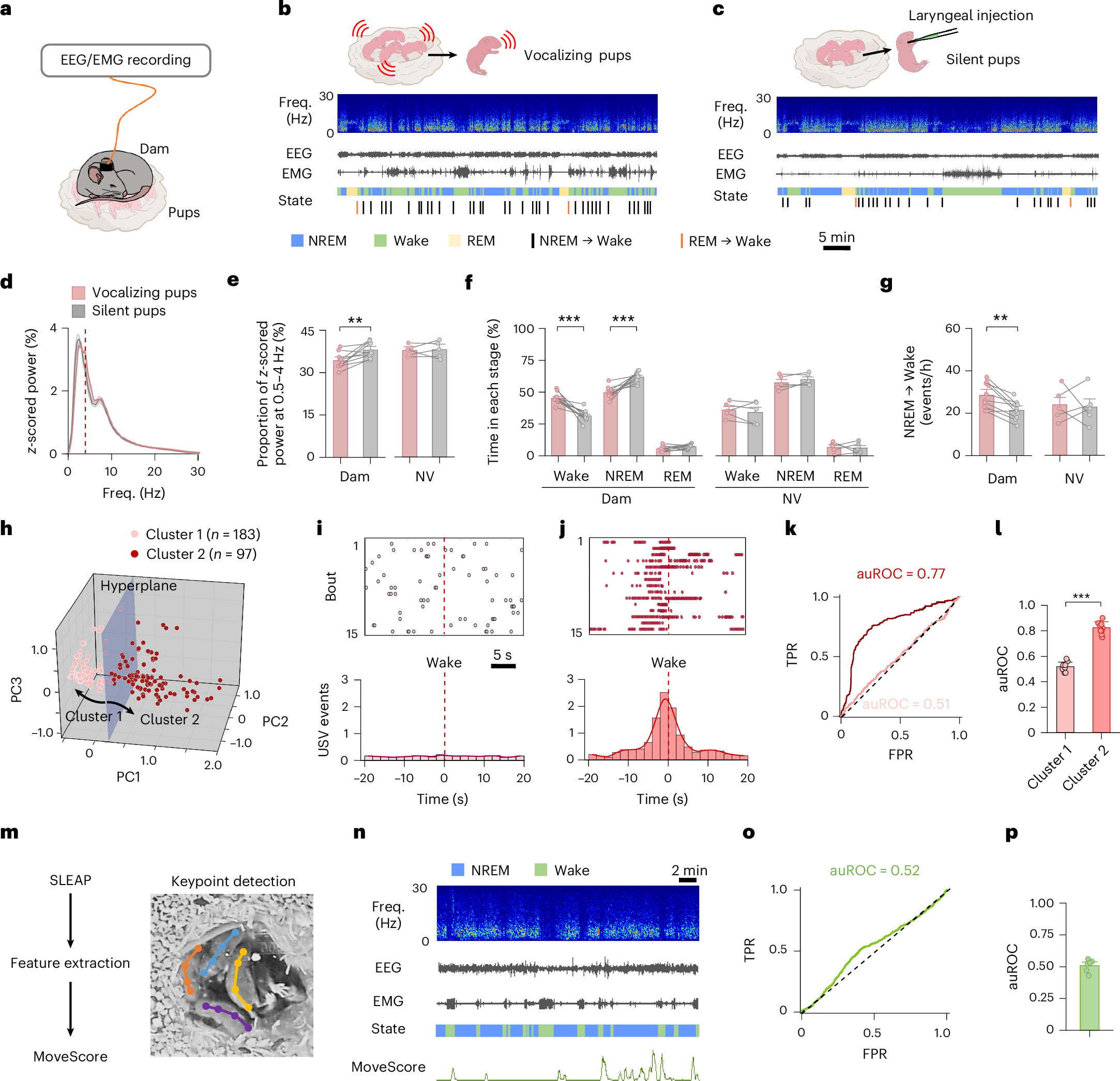
The research shows that the increased expression of dopamine receptors during the transition to motherhood strengthens the sensitivity of the circuit extending from the temporal cortex to the preoptic area to infant vocalizations. This finding illuminates the fundamental adaptation of sleep-wake mechanisms related to care in mammals. |
NVIDIA introduced Kumo Relational, a foundation model that operates on relational databases and makes predictions with a single forward pass. The model outperforms supervised machine learning models and processes requiring expert feature engineering across 41 tasks, eliminating data preparation and training stages. |

Google Research demonstrated that low-educated healthcare workers can perform specialist-level gestational age assessment with the help of artificial intelligence. This development holds the potential to expand access to preventive health services for mothers in regions with limited resources. |

Watch & Listen
Tenex supports Fortune 2000 companies in their AI transformation by implementing a model that engineers are paid based on the output they deliver rather than on an hourly basis. The company uses the MetaHarness infrastructure, which not only increases the speed at which agents write code but also makes the project's decisions and context traceable on Git. |

 Türkçe altyazı How DeepMind’s New AI Predicts What It Cannot SeeGoogle DeepMind's new artificial intelligence reconstructs unseen scenes in 4D by modeling the temporal behavior of moving objects from video data. |
Fun & Curious
Tesla has officially begun production of Optimus robots at its Fremont factory in California. Elon Musk set a target of 20,000 robots per week by the end of 2027, but noted that the process will progress slowly and engineering challenges will arise. |

The new application blocks critical actions, such as sending messages or making payments, without user consent. This feature saves time by disabling professionals' routine tasks. |

FOLLOW
Get new issues in your feed reader — add this to an app such as Feedly, Inoreader or NetNewsWire. Follow by RSS |