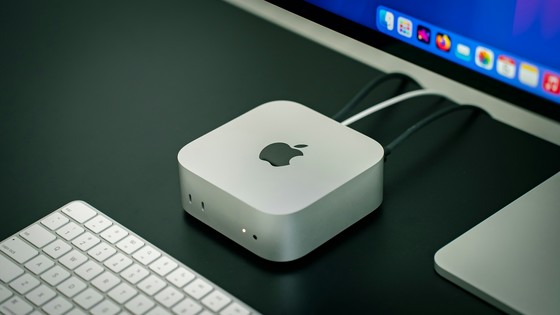
 Apple Builds 'Minions' Virtual GPU Cloud Using Idle MacsRead the article English (automatic translation) |
SummaryApple's research team developed a distributed system called 'Minions.' The system aggregates idle GPU capacity from internal Macs into a virtual GPU cloud. As a result, AI inference wait times have dropped from over 10 hours to just a few minutes. |
Why it mattersSince AI accelerators are expensive and limited, extracting hidden computing power from hardware already sitting on desks is a practical cost-avoidance strategy. Any large organization could replicate this. Watchdog-based fault tolerance and team-based isolation indicate that this is a production-grade internal tool, not just a proof of concept. The system also signals Apple's intent to scale to model training workloads and even cross-organizational global GPU sharing. |
Highlights
|
Critical takeThe 'no additional cost' claim deliberately excludes expenses such as electricity and hardware wear. The system supports only inference, not training, indicating a limited practical ceiling. The fact that users must manually start the Minion Executor via Slack also implies a human coordination burden that may not scale smoothly beyond a single campus. |