 AI Came for Math. Now It’s Chasing the Rest of ScienceMIT researchers found that the rate at which artificial intelligence solves theoretical scientific problems increased from 2% to 35% between 2024 and 2026. This development indicates that a similar transformation is on the horizon in fields such as statistics and physics. |
AiPulse — Issue No. 88
COVER
Pulse
Researchers use AI to design proteins that cut up other proteinsAI is making significant advances in protein design and biological processes. |
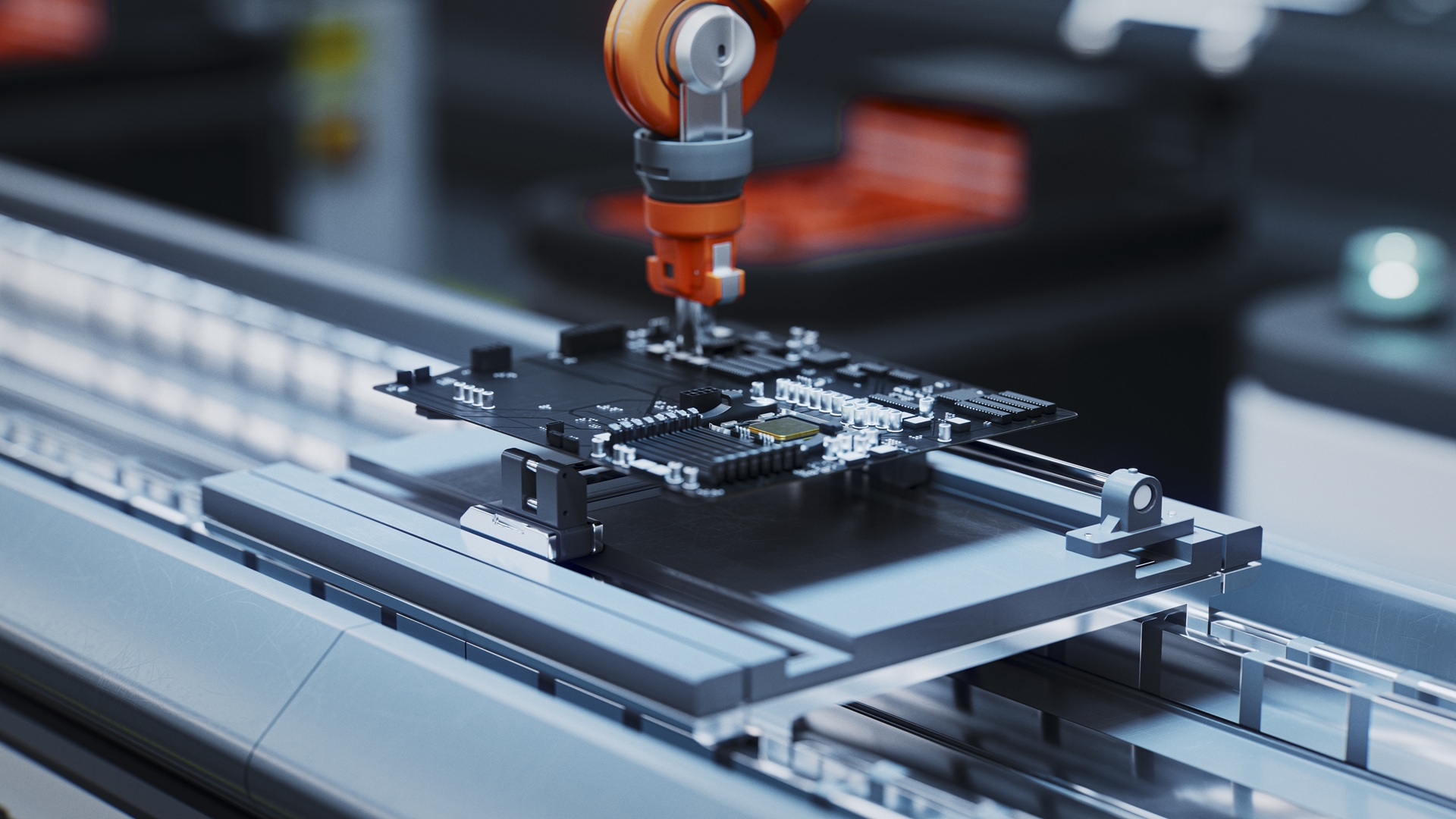
The company aims to meet the growing demand for processors by producing chip designs that are far more efficient than those created using traditional methods. The founders argue that the unconventional arrangements discovered by artificial intelligence will improve energy efficiency and accelerate the production of custom chips. |

At Work
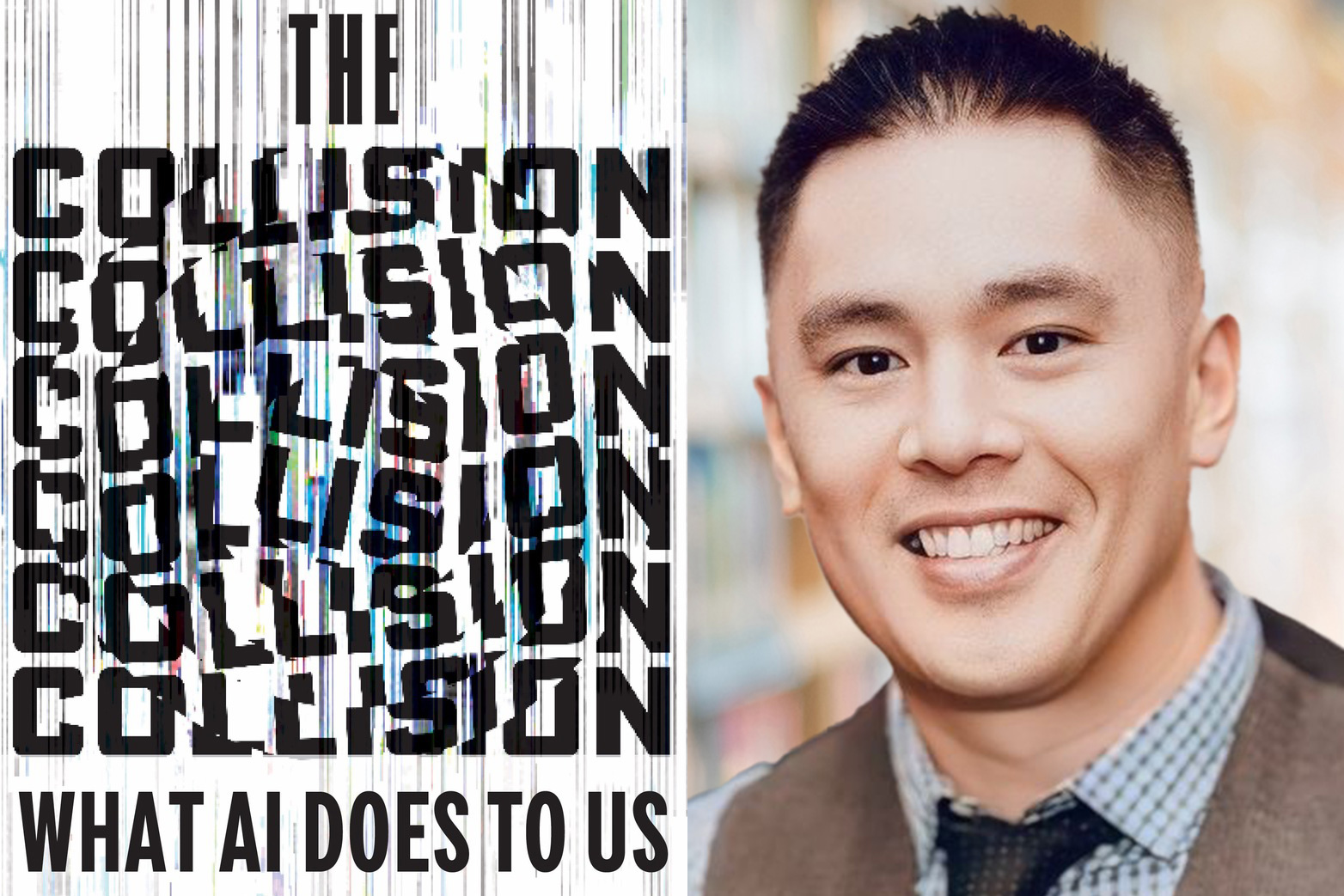
Eric So argues in his new book that addiction to artificial intelligence hinders the development of fundamental thinking skills. The expert notes that this is a structural issue fueled by societal and institutional pressures, rather than an individual choice. |
The 146,786-square-meter complex on the banks of the Huangpu River offers both a stage and a public walking area with its 32-meter suspended roof. During the opening season, 82 performances will be presented across 47 productions. |

Building Blocks
AI’s wave of game decompilation is both alarming and promisingWhile artificial intelligence makes it easier to run and preserve old games on new hardware, it also increases the risks of unauthorized software copying and corporate theft. This development disrupts the industry's balance of ownership and security, even as it enhances the accessibility of digital games. |
Global Lens
Google DeepMind and Google Cloud will provide 200 selected European researchers with direct access to advanced scientific tools such as AlphaFold 3 and $3 million in compute credits. This move aims to accelerate the pace of innovation in Europe and support the continent's scientific competitiveness. |

Apple's research team reduced AI processing wait times of over 10 hours to minutes by aggregating the GPU capacity of unused Macs. This system provides computing power with existing devices, eliminating the need for new hardware purchases. |

The new models are reversing the company’s four-quarter decline by becoming competitive with rivals in benchmarks. This development stands out as the first concrete success of Meta’s post-restructuring strategy. |

WhatsApp is enabling users to join calls from a browser via an invitation link without creating an account, through a FaceTime-like feature. This update aims to reduce communication barriers by allowing people who do not use the app to participate in calls. |

Watch & Listen
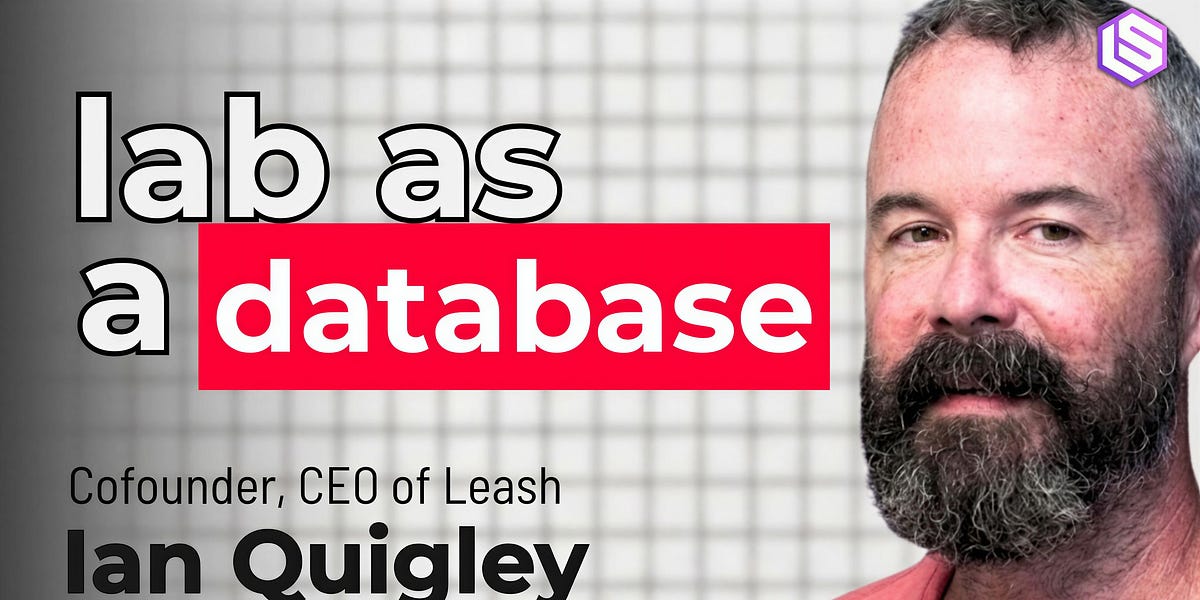
Leash Bio has created a platform called Minos to enhance the chemical reasoning capabilities of AI agents by utilizing data derived from DNA-encoded libraries. The company states that this data provides a training environment that enables agents to make reliable scientific inferences. |
Fun & Curious
Researchers were able to direct the formation and erasure of memory-like behavior in a vanadium dioxide-based device using electric currents. This finding sheds light on the design of more efficient brain-inspired hardware that integrates processor and memory. |
FOLLOW
Get new issues in your feed reader — add this to an app such as Feedly, Inoreader or NetNewsWire. Follow by RSS |