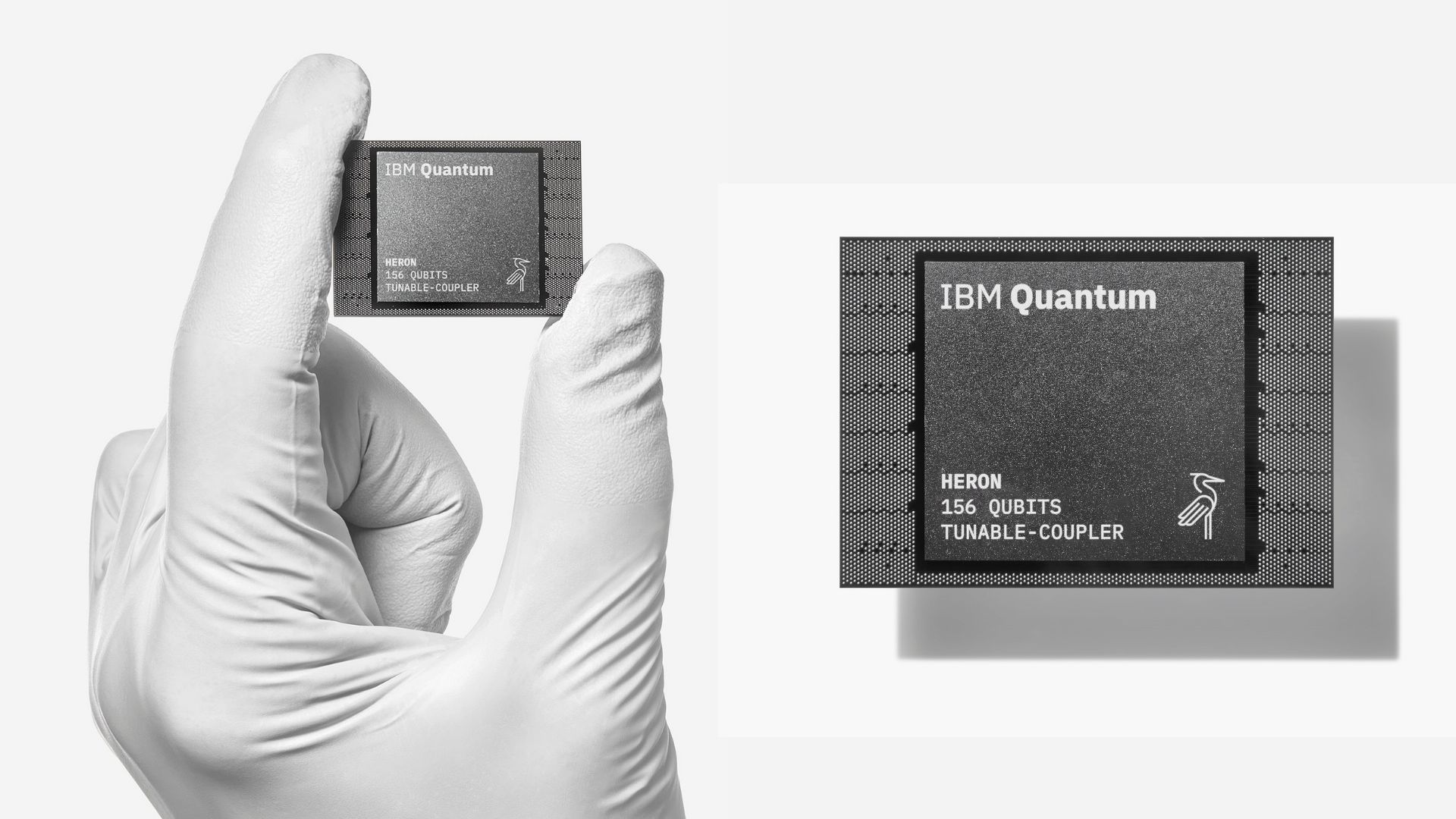
 IBM, 100 qubitli çiple kuantum hata düzeltme adımını attıIBM takes quantum error correction step with 100-qubit chipHabere gitRead the article Türkçe (otomatik çeviri) English (automatic translation) |
ÖzetSummaryIBM araştırmacıları, 100 kübitlik Heron işlemcisinde bir kuantum hata düzeltme tekniğini gösterdi. Tekrarlanan ölçüm ve sıfırlama döngülerinin kaotik davranışı bastırarak sistemi kontrol edilebilir bir duruma yönlendirebildiği kanıtlandı. Karıştırma ve düzeltme işlemlerinin yaklaşık %50-%50 dengeye yaklaştığı noktada keskin bir faz geçişi gözlemlendi.IBM researchers demonstrated a quantum error correction technique on a 100-qubit Heron processor. It was proven that repeated measurement and reset cycles can steer the system into a controllable state by suppressing chaotic behavior. A sharp phase transition was observed at the point where mixing and correction processes approached an approximately 50-50 balance. |
Neden ÖnemliWhy it mattersKuantum hata düzeltme, kuantum bilgisayarların uzun ve faydalı hesaplamaları yürütmesini engelleyen temel darboğazdır. Günümüz donanımının bilgiyi yok etmeden tekrar tekrar müdahale edebildiğini ve bu etkinin sistem boyutuyla birlikte keskinleştiğini göstermek, alanı salt teorik önerilerden pratik hata toleranslı mimarilere doğru kaydırıyor. Klasik simülasyon için çok büyük olan bir sistemde kuantum faz geçişinin gözlemlenmesi, mevcut teorik modelleri bağımsız olarak da doğruluyor.Quantum error correction is the fundamental bottleneck preventing quantum computers from performing long and useful calculations. Demonstrating that current hardware can repeatedly intervene without destroying information, and that this effect sharpens with system size, shifts the field from purely theoretical proposals toward practical fault-tolerant architectures. Observing a quantum phase transition in a system too large for classical simulation also independently validates existing theoretical models. |
Öne ÇıkanlarHighlights
|
EleştiriCritical takeMakale, bunun bir hata toleranslı kuantum bilgisayar olmadığını özellikle vurguluyor. Ancak başlıktaki 'kendini düzelten kuantum bilgisayarları ileri taşıyor' ifadesi, bilinen bir teorik mekanizmanın tek bir gösterimiyle elde edilen sonucu biraz abartıyor. Asıl test, bu tekniğin sürekli iş yüklerinde hata birikimini geride bırakacak hız ve sadakatla mantıksal kübit mimarilerine entegre edilebilip edilemeyeceği olacak.The article explicitly emphasizes that this is not a fault-tolerant quantum computer. However, the headline phrase 'advancing self-correcting quantum computers' slightly overstates the result achieved by demonstrating a single known theoretical mechanism. The real test will be whether this technique can be integrated into logical qubit architectures with the speed and fidelity required to outpace error accumulation in continuous workloads. |