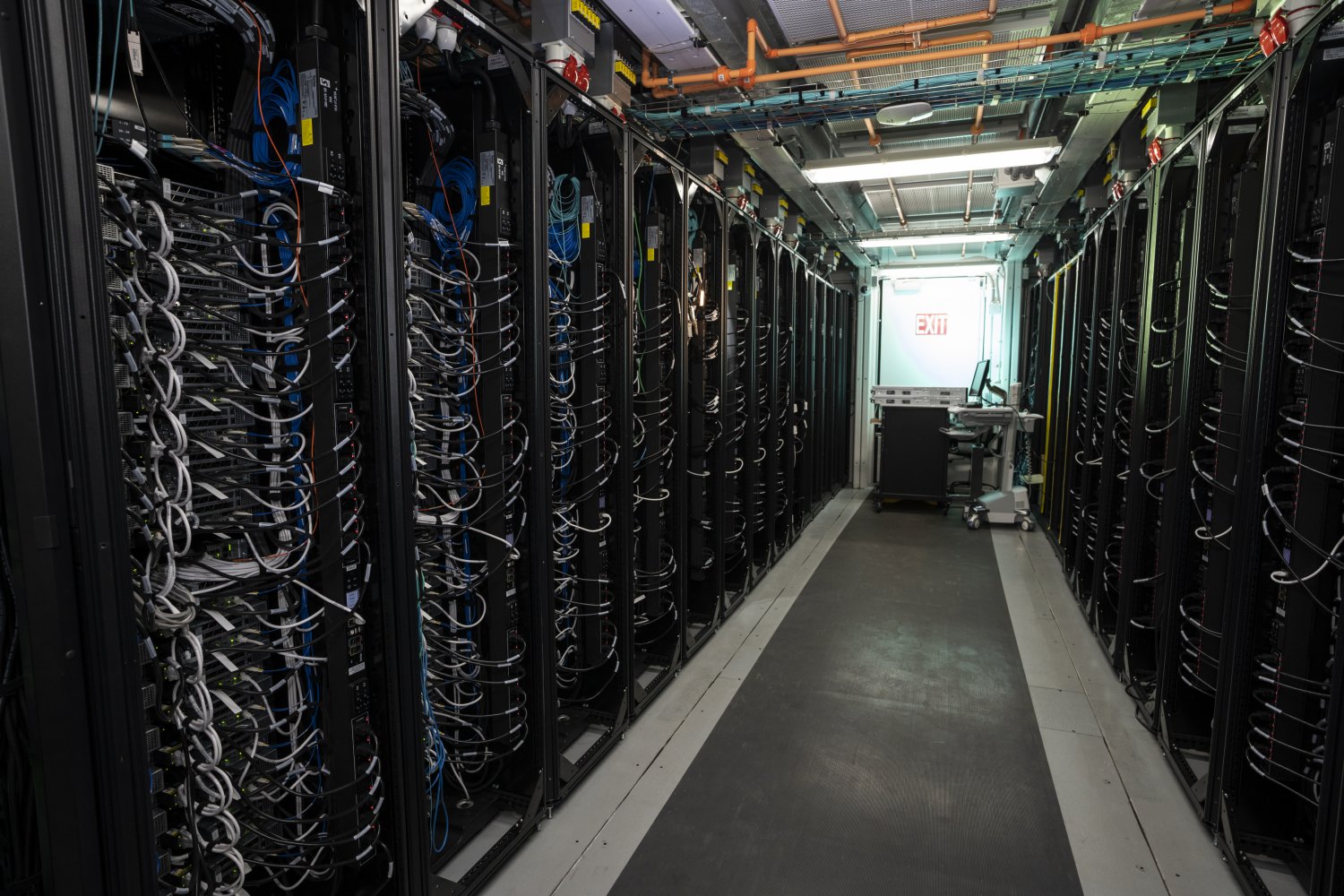
 Lincoln Laboratory continues survey tracking AI acceleratorsRead the article English (automatic translation) |
SummaryThe MIT Lincoln Laboratory Supercomputer Center has been conducting the Lincoln AI Computing Study (LAICS) since 2018. The center has published six papers cataloging and comparing the peak performance and power consumption of over 120 commercial AI accelerators to guide purchasing decisions for the laboratory and its government sponsors. |
Why it mattersAs the AI accelerator market fragments across CPUs, GPUs, ASICs, FPGAs, and dataflow chips, regular, structured comparisons help defense and research buyers look beyond vendor marketing. For a laboratory serving national security missions, a continuously updated, publicly documented benchmark serves as a practical insurance policy against reliance on any single vendor's roadmap. |
Highlights
|
Critical takeThe study relies solely on publicly available data. This means the most sensitive performance data, which defense-critical vendors keep confidential, is systematically overlooked. Furthermore, a two-metric comparison of peak performance and peak power consumption provides little insight into real-world data transfer rates, latency, or software stack maturity—factors that actually determine how well an accelerator performs for a specific workload. |