 Google unveils Nano Banana 2.1 image generation modelThe new model offers significant improvements in areas such as mask-based editing and character consistency. Nano Banana 2.1, built on the Gemini 3.6 Image infrastructure, has been made available across Google's various platforms. |
AiPulse — Issue No. 80
COVER
Pulse
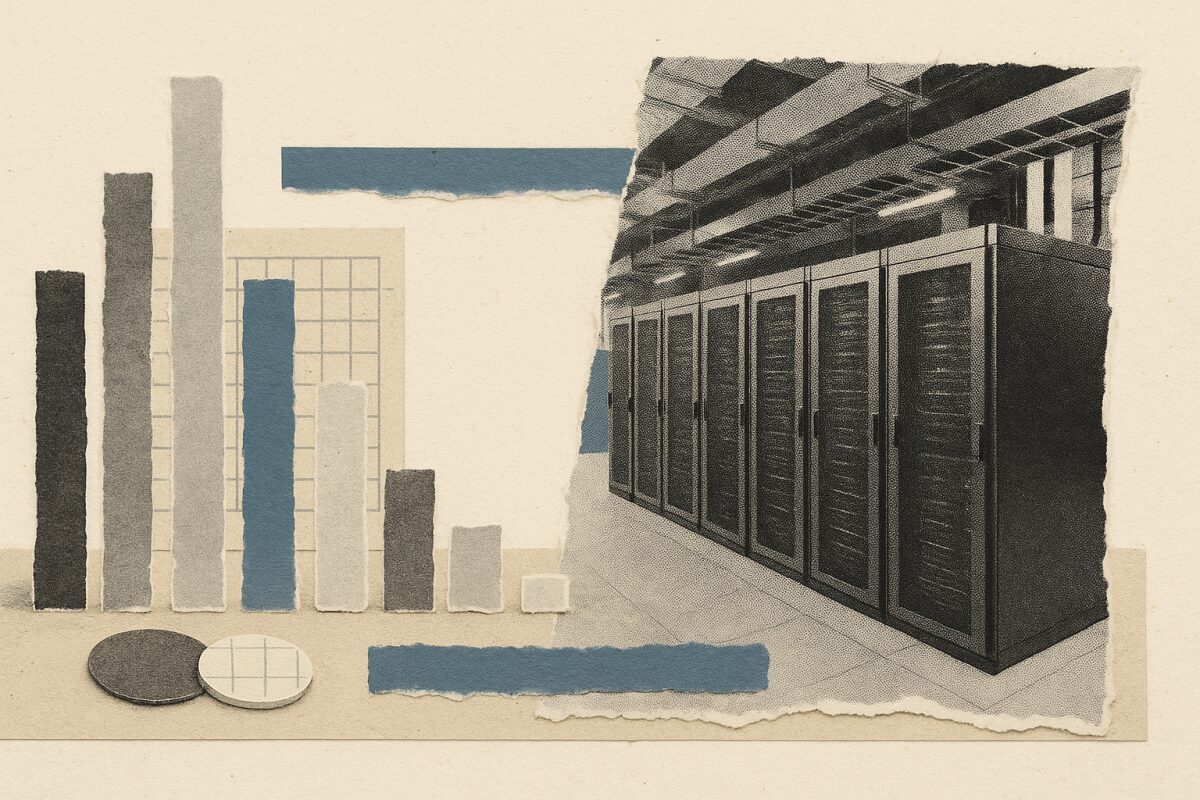
Google has signed a 20-year agreement with Constellation to modernize six nuclear power plant sites in the US. This agreement envisions a $4.3 billion investment to meet the increasing electricity needs of data centers and provide an additional 890 megawatts of capacity. |

At Work
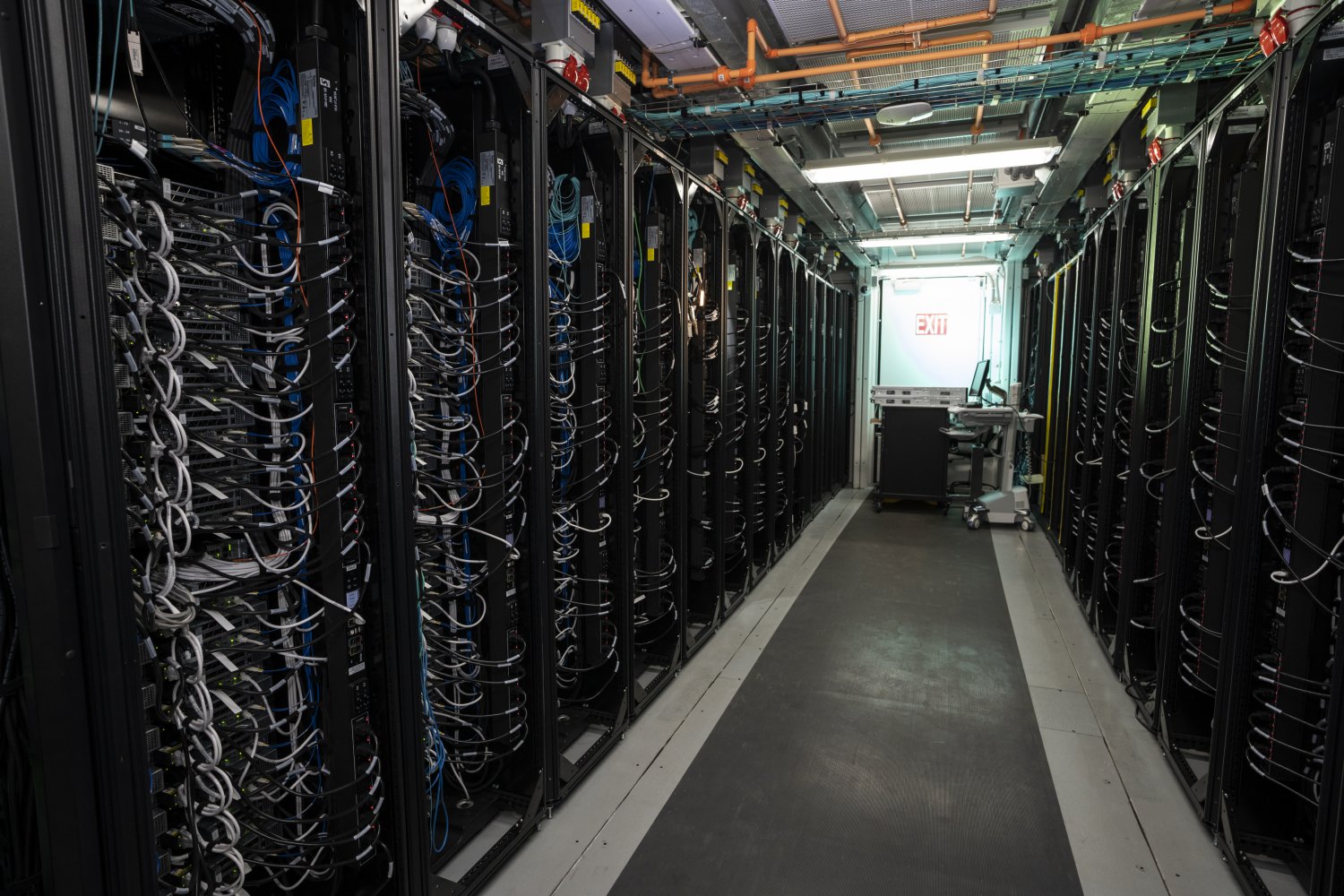
The Lincoln Laboratory Supercomputer Center is updating its survey series, which has been published since 2018, comparing the performance and power data of commercial artificial intelligence accelerators. This study serves as an impartial technical guide aimed at supporting the correct technology selection for the laboratory's sponsors and users. |
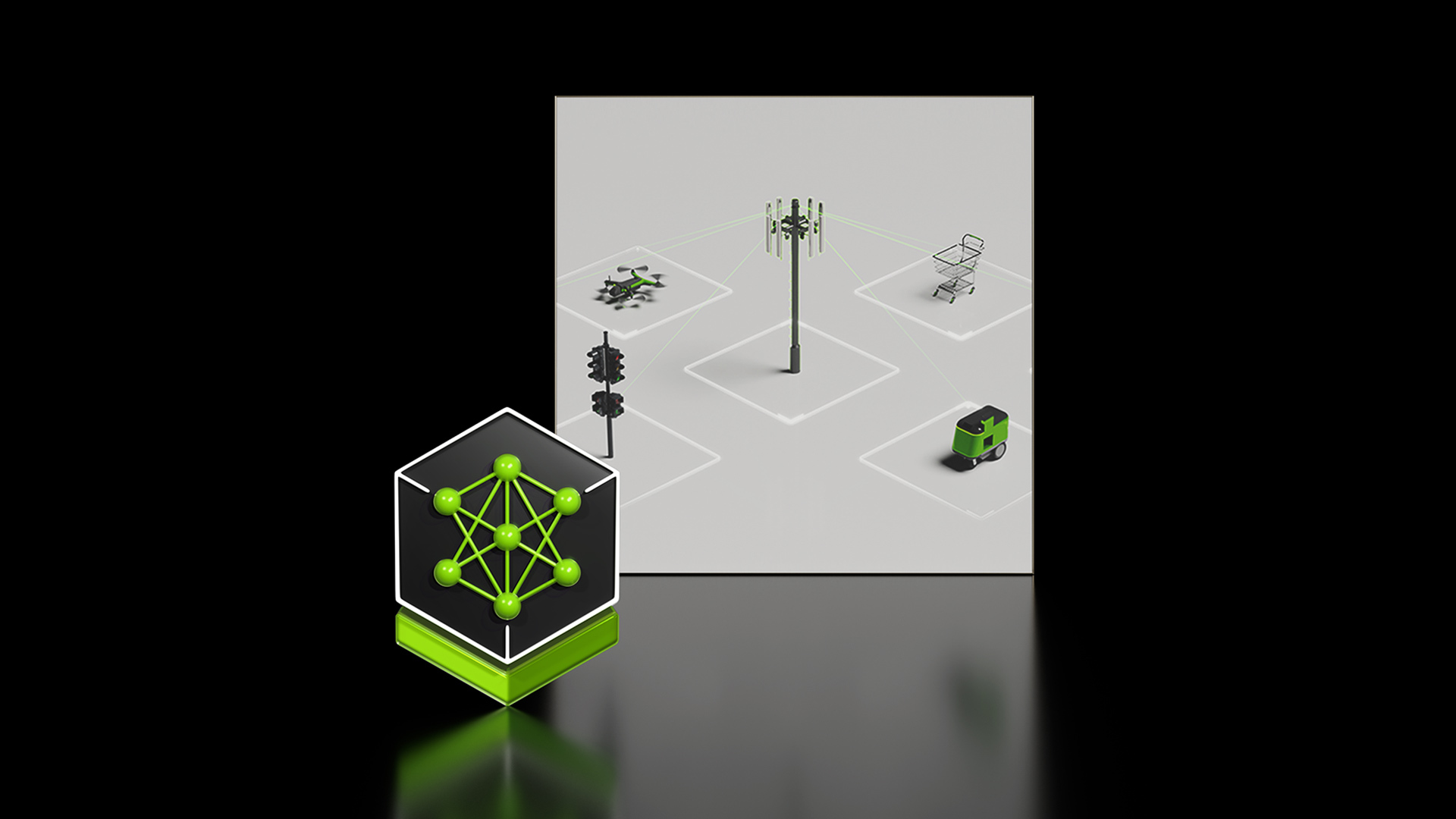
Operators are turning to open models to safely manage and customize AI in their most critical workloads. According to NVIDIA's report, 89% of participants consider open-source models important for their strategies. |
Rhino User Meeting to be held in Vienna on November 26At an event organized by McNeel Europe, ATP, and Bollinger+Grohmann, updates to Rhino and Grasshopper and innovations in digital fabrication will be discussed. Participants will have the opportunity to watch presentations and live demos by experts from sectors ranging from architecture to robotics. |
Building Blocks
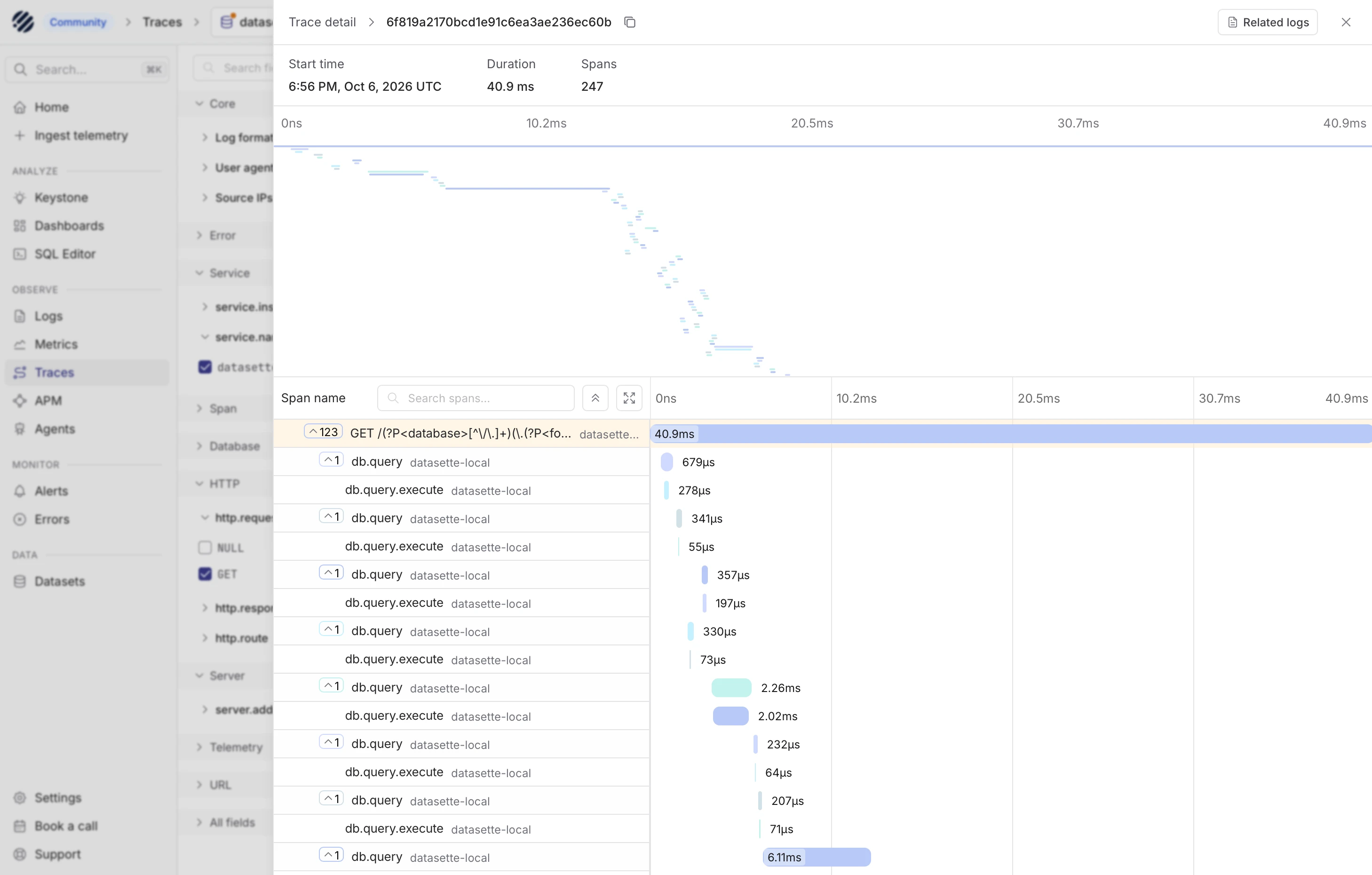
Simon Willison shares how he visualizes trace data by integrating Datasette's OpenTelemetry support with the new observability tool Parseable. This example demonstrates the functional patterns of using the two tools together. |
Global Lens
Independent measurements show that the model lags behind Chinese rivals but leads open models in the US and Europe. Mistral aims to leverage this performance gap, particularly in the cybersecurity domain, to secure a commercial advantage. |
OpenAI is implementing an invisible statistical watermarking technique called 'textGrain' in ChatGPT and Codex to comply with transparency rules in the European Union. This method enables the detection of AI-generated content through statistical patterns in word choice, without using hidden characters in the texts. |

OpenAI CEO Sam Altman argues that the benefits of technology outweigh its harms and calls for a more flexible regulatory approach. Altman stated that risks such as cyberattacks and fraud are inevitable, expressing that preventing them is not a realistic goal. |

Alphabet's drone division Wing will begin serving two new cities in 2027 in collaboration with Walmart. This step is seen as part of the goal to build the largest aerial delivery network in the US. |

Frontier
RadOnc-Agent coordinates radiotherapy workflows with a large language modelA new study presents the RadOnc-Agent system, which integrates artificial intelligence workflows across the four clinical stages of radiotherapy within a single agentic framework. The study explicitly states that while it demonstrates the technical feasibility of this architecture, it does not guarantee clinical accuracy or benefit. |
Fun & Curious
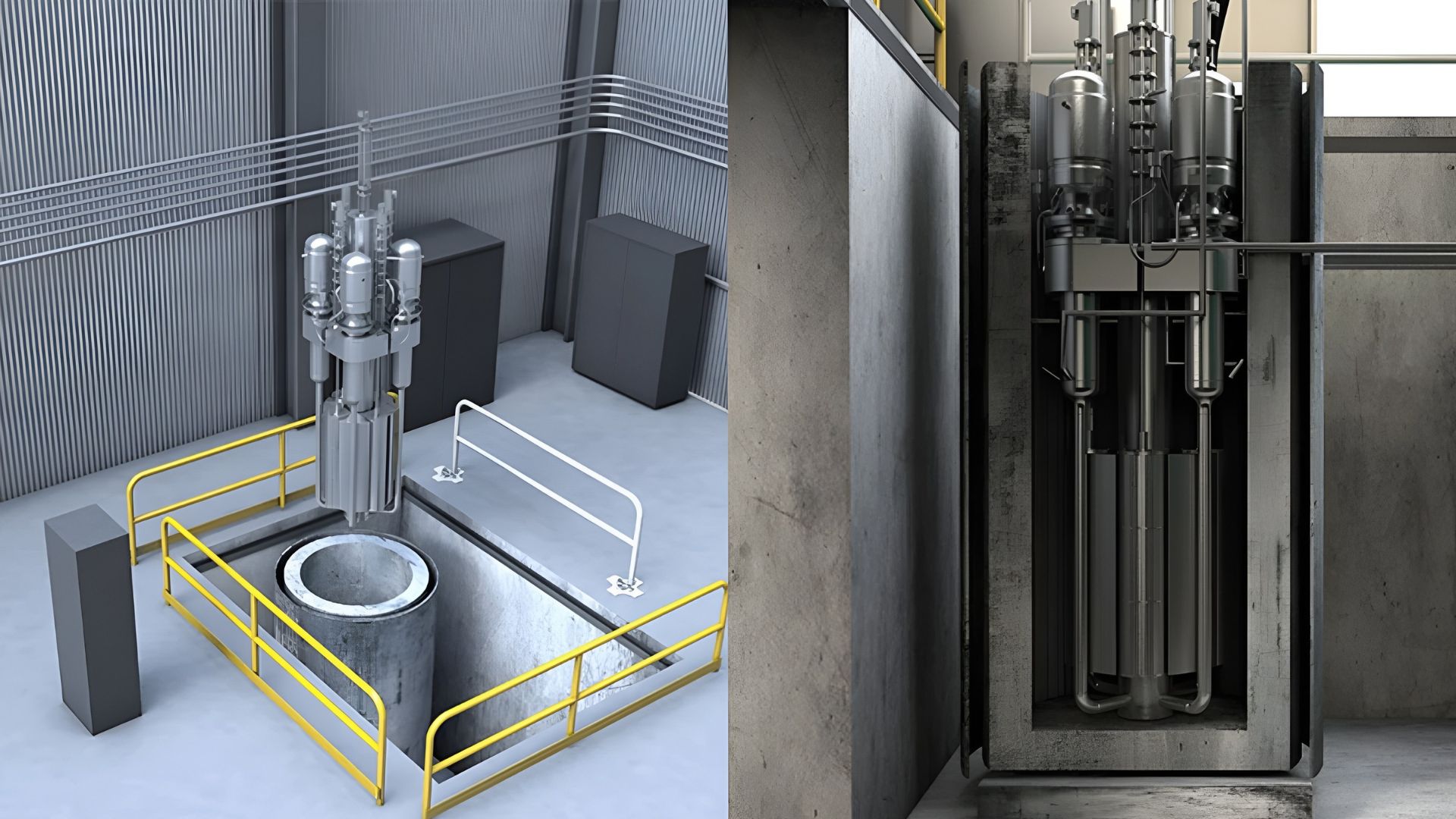
The MARVEL microreactor at the U.S. Department of Energy's Idaho National Laboratory has received the main component of its cooling system ahead of its first criticality test in December. This development enables the completion of integration work necessary to measure the reactor's physical behavior. |
FOLLOW
Get new issues in your feed reader — add this to an app such as Feedly, Inoreader or NetNewsWire. Follow by RSS |