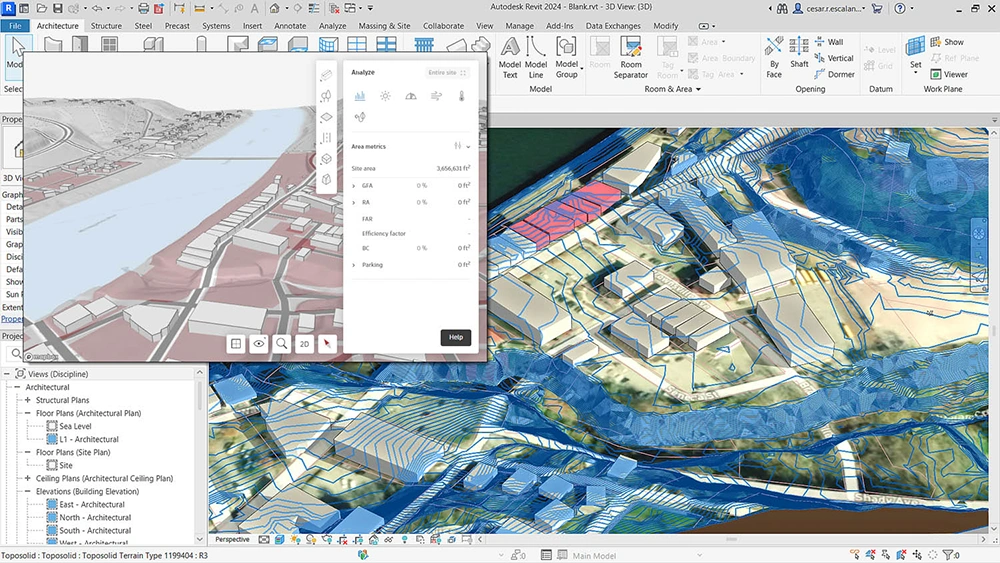
 Autodesk to Integrate Revit into the Forma EcosystemRead the article |
SummaryAutodesk is transforming Revit from a standalone BIM application into a connected component of the Forma ecosystem. Over time, Forma will become the primary workspace for AEC processes. This transition is being phased: while Revit retains its role in detailed model creation, planning, analysis, and AI-assisted decision-making processes are being shifted to Forma. |
Why it mattersThis may be the most significant strategic shift in BIM software since Revit became the industry standard. The center of gravity is moving from geometry-focused modeling to a cloud-based data platform that encompasses the entire project lifecycle. For firms that have built workflows, templates, and institutional knowledge around Revit over the years, the quiet elevation of Forma signals a migration with costs and disruptions that are not yet fully visible. The AI layer increases the risks: Autodesk believes the competitive advantage will shift from 'modeling the fastest' to 'best connecting and interpreting project data.' |
Highlights
|
Critical takeThe article repeats Autodesk's own strategic terminology—'industry cloud,' 'outcome-driven,' 'connected ecosystem'—without questioning it. It does not examine whether mid-sized offices will actually migrate, what the real transition costs are, or how this will work for firms whose production lines are entirely Revit-based. Describing the process as a 'phased transition' is a comfortable framework that obscures the quiet dissolution of Revit's de facto industry standard role once Forma becomes the primary environment. The article offers no counter-perspective from architects or firms who will experience this disruption. |