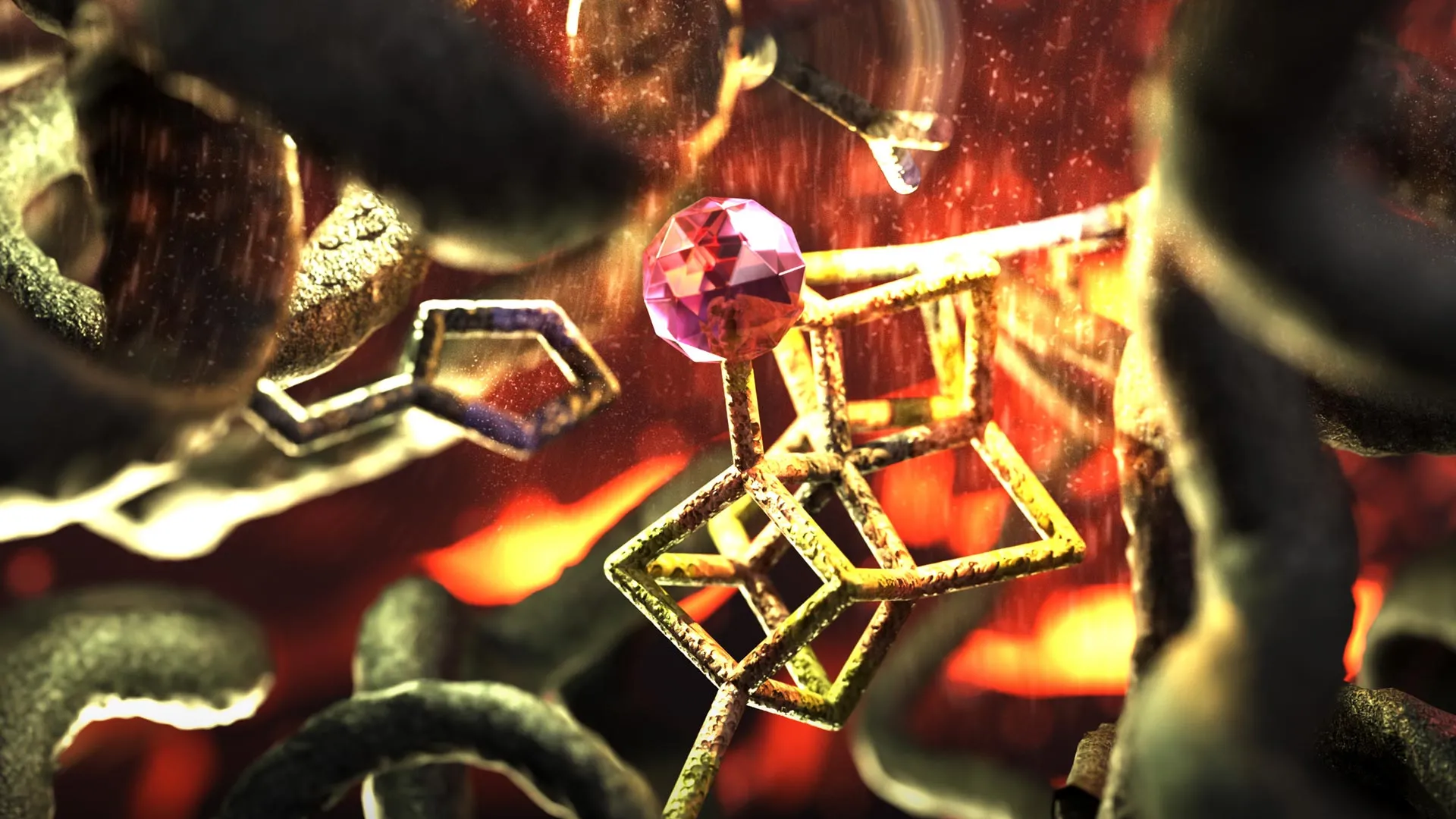
 Derin deniz mikrobu, yüksek ısıda azot bağlayan enzimle çalışıyorDeep-sea microbe functions with enzyme that fixes nitrogen at high temperaturesHabere gitRead the article Türkçe (otomatik çeviri) English (automatic translation) |
ÖzetSummaryMax Planck Deniz Mikrobiyolojisi Enstitüsü'ndeki araştırmacılar, aşırı ısı seven (hipertermofil) arke Methanocaldococcus infernus'tan nitrogenaz enzimini izole etti ve yapısını karakterize etti. Çalışma, bu enzimin şimdiye kadar incelenen en basit nitrogenaz olduğunu ortaya koydu. Ayrıca molibden içeren formda daha önce gözlemlenmemiş bir reaksiyon ara ürünü yakalandı.Researchers at the Max Planck Institute for Marine Microbiology isolated and characterized the nitrogenase enzyme from the hyperthermophilic archaeon Methanocaldococcus infernus. The study reveals that this enzyme is the simplest nitrogenase characterized to date. Additionally, a reaction intermediate in the molybdenum-containing form was captured, which had not been previously observed. |
Neden ÖnemliWhy it mattersAzot fiksasyonu, küresel biyogeochemical döngülerin temelini oluşturur. Bu enzimin aşırı sıcaklıklarda N₂ üçlü bağını nasıl kestiğini anlamak, tüm nitrogenaz aileleri arasında paylaşılan ortak bir atal mekanizmayı aydınlatabilir. Molibden nitrogenazda ortak bir 'dönüşüm' durumunun keşfi, bu durumun daha önce yalnızca vanadyum ve yalnızca demir içeren varyantlarda belgelenmiş olmasına rağmen, tüm formların birleşik bir katalitik yol kullandığı hipotezini destekliyor. Bu yapısal bilgi, gelecekte amonyak üretimi için biyomühendislik sistemlerine rehberlik edebilir ve enerji yoğun Haber-Bosch sürecine bağımlılığı azaltabilir.Nitrogen fixation forms the foundation of global biogeochemical cycles. Understanding how this enzyme cleaves the N₂ triple bond at extreme temperatures may elucidate a common ancestral mechanism shared among all nitrogenase families. The discovery of a common 'transition' state in molybdenum nitrogenase supports the hypothesis that all forms utilize a unified catalytic pathway, despite this state having been previously documented only in vanadium and iron-only variants. This structural information could guide future bioengineering systems for ammonia production and reduce reliance on the energy-intensive Haber-Bosch process. |
Öne ÇıkanlarHighlights
|
EleştiriCritical takeMakalede dile getirilen tarım ve biyoteknoloji uygulamaları (N₂'yi doğrudan fiksleyen bitkiler, yeşil hidrojen destekli amonyak üretimi) açıkça spekülasyona dayalıdır ve bu çalışmadaki deneysel verilerle desteklenmemektedir. 'Ortak atal' yorumu bir sonuç değil, bir olasılık olarak çerçevelenmiştir. Tek organizma ve tek enzim kapsamı, dönüşüm durumu bulgusunun diğer nitrogenazlara ne kadar genişletilebileceğini sınırlar.The agricultural and biotechnology applications mentioned in the article (plants directly fixing N₂, green hydrogen-supported ammonia production) are explicitly speculative and not supported by the experimental data in this study. The 'common ancestor' interpretation is framed as a possibility rather than a conclusion. The scope of a single organism and single enzyme limits how broadly the transition state finding can be extrapolated to other nitrogenases. |