 Yara commissions Europe's largest carbon capture plantRead the article English (automatic translation) |
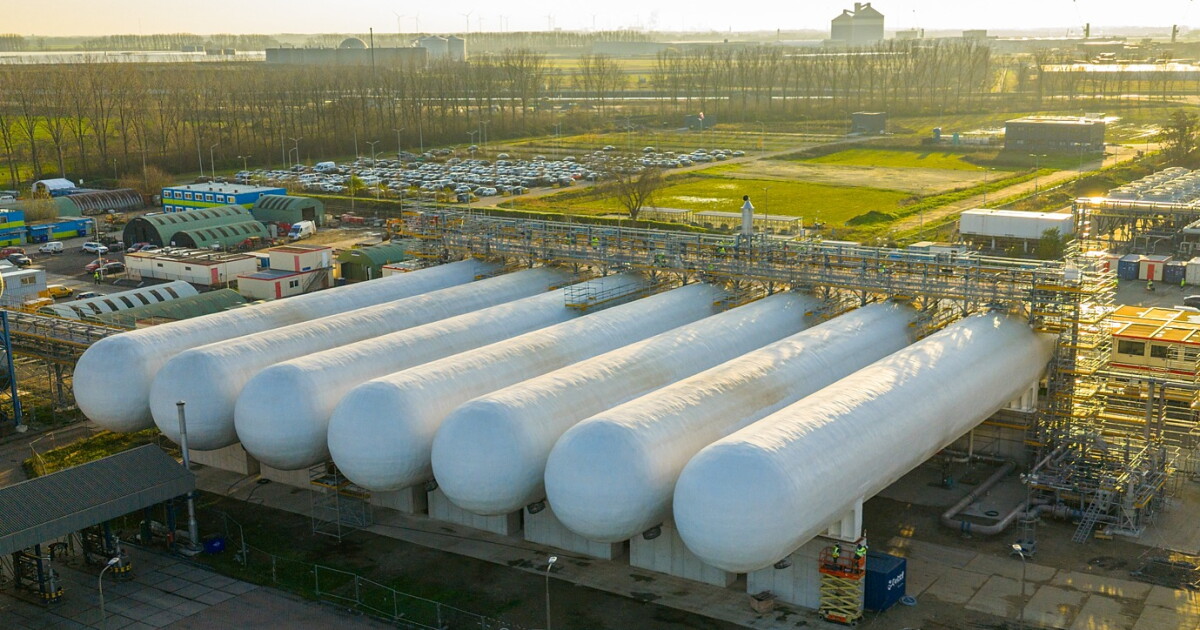
SummaryYara has commissioned Europe's largest industrial carbon capture facility at its Sluiskil ammonia plant in the Netherlands. The facility captures 800,000 tons of CO2 annually from its own production process. This gas is sent to Northern Lights for storage in a deep-sea reservoir in Norway. |
Why it mattersCarbon capture and storage (CCS) in Europe has long been stuck in the pilot phase. This facility represents a concrete, operational milestone for the decarbonization of hard-to-abate industrial sectors such as nitrogen-based fertilizers and chemicals. The 15-year projection of 12 million tons of storage and Northern Lights' plan to increase storage capacity to 5 million tons per year indicate that the transport and storage logistics chain is finally scaling up. However, the article acknowledges that this figure equates to only 0.5% of the Netherlands' annual emissions. This highlights how far CCS is from being a climate solution at the necessary scale. |
Highlights
|
Critical takeThe headline "Europe's largest" somewhat exaggerates the achievement. The facility captures CO2 produced by itself during ammonia synthesis. This reduces Yara's carbon footprint rather than performing net carbon removal from the atmosphere. The figure of 0.5% of Dutch emissions, as noted in the article itself, makes the "record-breaking" framing feel more like a PR milestone than a climate breakthrough. The complete absence of data on cost per ton or energy penalty for the capture process leaves the economic viability of scaling this model in the industry unquestioned. |