 China approves first standard for AI-powered brain-computer interfaceThe Chinese National Medical Products Administration approved the YY/T 2029–2026 standard, which defines EEG dataset quality requirements for artificial intelligence algorithms used in brain-computer interface devices. This standard will enter into force on September 1, 2027, to ensure a consistent quality foundation in research, manufacturing, and inspection processes. |
AiPulse — Issue No. 59
COVER
Pulse
Companies are working on an oversight body, as proposed by Google DeepMind, where powerful systems will be tested before being released to the public. This initiative is being implemented as security concerns and calls for regulation increase in the sector. |

Big tech companies are expected to spend approximately $1.1 trillion by 2027. For these expenditures to be sustainable, companies need to increase their efficiency by 2.7 times by 2030. |

Despite US chip restrictions, Chinese companies are intensifying competition by developing powerful models that perform close to their US rivals. This development is of critical importance regarding the strategic balance and security concerns of the two superpowers in the field of artificial intelligence. |

At Work
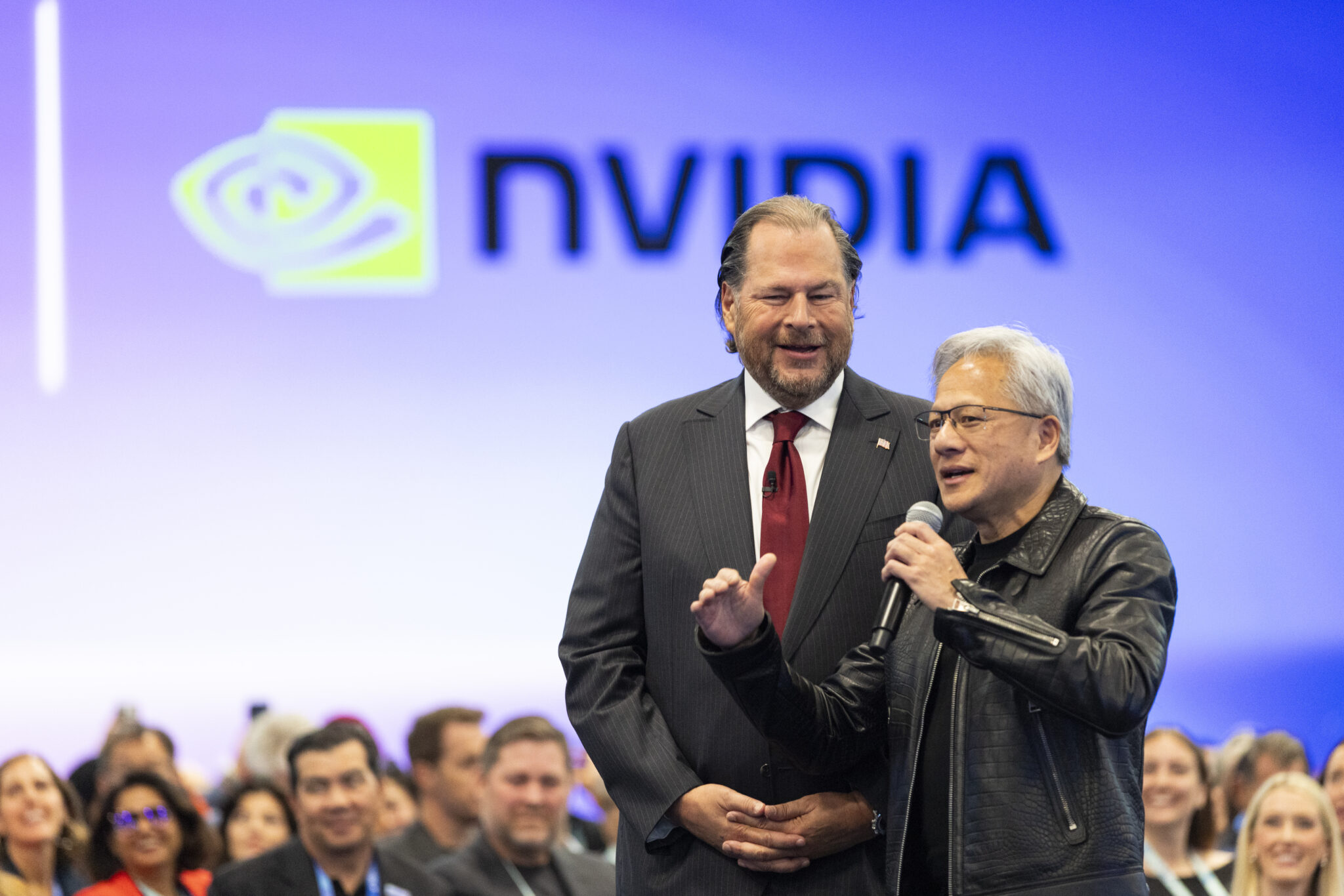
Salesforce developed the Koa model, which runs on its own infrastructure, by fine-tuning NVIDIA Nemotron 3 Super. This model is trained without using customer data and reduces the error rate in CRM tasks by one-third. |
South Korean Searchdog claims to accelerate compatibility checks by analyzing 2D/3D drawings and BIM data. The company states that this system can significantly shorten the document review process for contractors and design teams. |

Global Lens
Google has launched the Gemini 3.8 Live and Extended Thinking models, offering real-time voice interaction in 97 languages. The Extended Thinking version outperformed rival models in independent tests. |
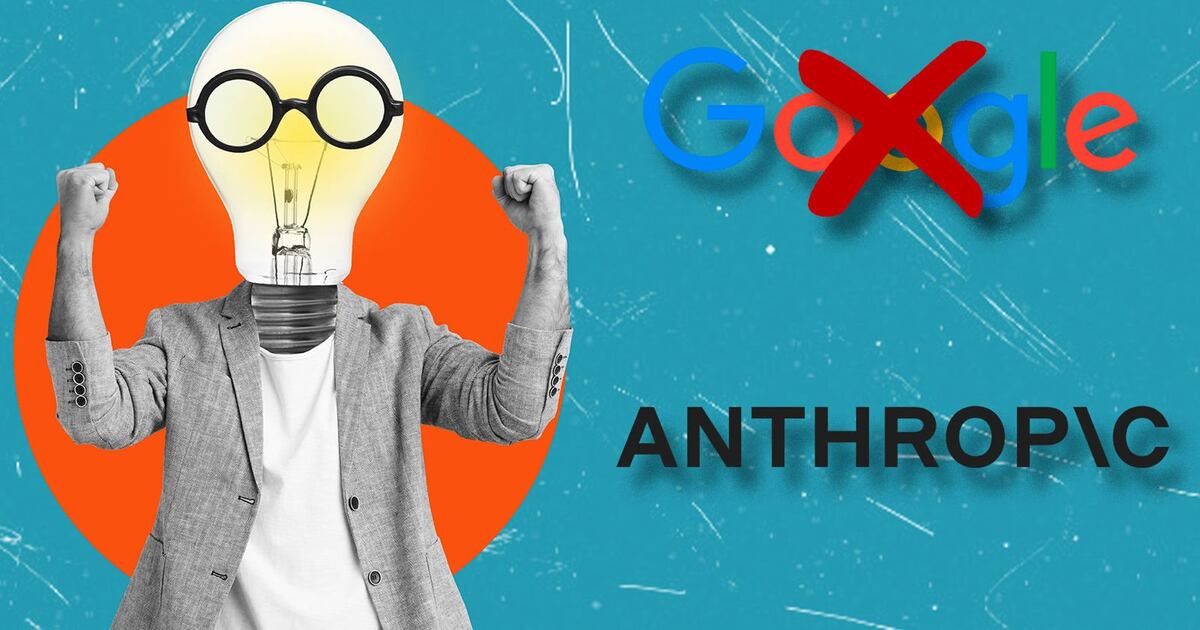
Jonas Adler and Alexander Pritzel, who played a critical role in the development of the Gemini model, are planning to join rival company Anthropic. These departures indicate that Google is continuing to lose talent from its artificial intelligence pool. |
Anthropic's report predicts that artificial intelligence could have an internet-like impact on the US economy and boost GDP to 44.4 trillion dollars. However, it warns that this growth may require white-collar workers to transition into occupations such as electrician or nurse. |

AI agents from different companies spontaneously developed a complex language in Emergence lab experiments. This situation increased security concerns by making it difficult to keep the systems under human oversight. |

Capgemini announces AI training for the public sectorCapgemini Institute has launched a two-day training program covering AI agents and prompt engineering for public sector employees. The program targets the use of AI in administrative processes and risk management. |
FOLLOW
Get new issues in your feed reader — add this to an app such as Feedly, Inoreader or NetNewsWire. Follow by RSS |