 GPT-6 Astra ile OpenStreetMap verisinden koşu rotası üretimiGenerating running routes from OpenStreetMap data with GPT-6 AstraHabere gitRead the article Türkçe (otomatik çeviri) English (automatic translation) |
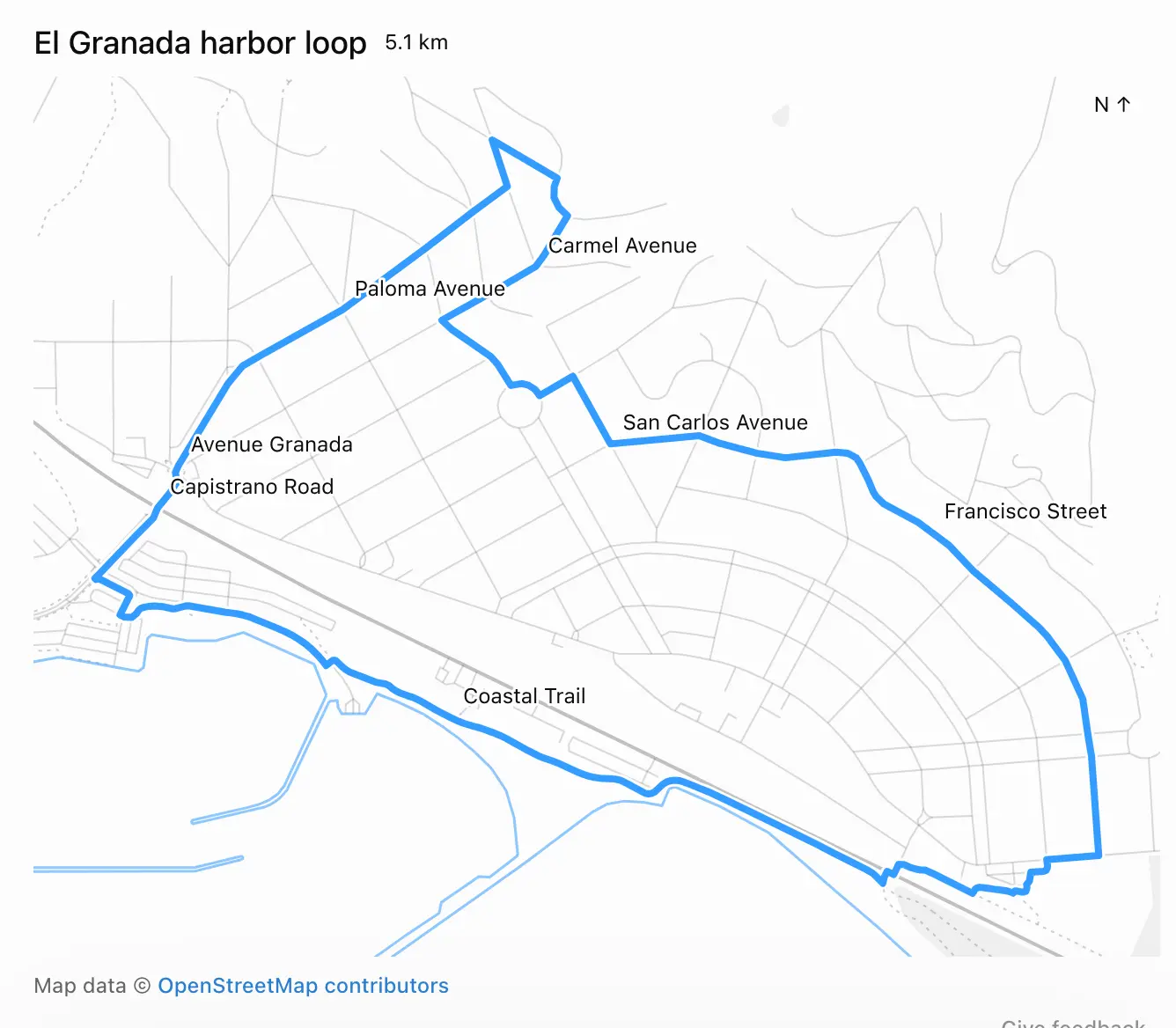
ÖzetSummarySimon Willison, ChatGPT Work (GPT-6 Astra Max) aracılığıyla OpenStreetMap verilerini kullanarak ev adresinden başlayan 5K ve 10K koşu rotaları üretti. Süreç 27 dakika sürdü; ajan, gömülü bir D3 görselleştirmesinin yanı sıra GPX ve GeoJSON dosyaları da oluşturdu. Willison, şeffaflık sorununa dikkat çekiyor: ajanın ürettiği kod arayüzde görünmüyordu ve sohbet akışı sıkıştırıldıktan sonra kurtarılması imkânsız hâle geldi.Simon Willison used ChatGPT Work (GPT-6 Astra Max) to generate 5K and 10K running routes starting from a home address, leveraging OpenStreetMap data. The process took 27 minutes; the agent produced GPX and GeoJSON files alongside an embedded D3 visualization. Willison highlights a transparency issue: the code generated by the agent was not visible in the interface and became impossible to recover after the chat flow was compressed. |
Neden ÖnemliWhy it mattersBu, ajansal büyük dil modeli (LLM) sistemlerinin Nominatim ve Overpass gibi coğrafi API’leri yerel hesaplamalarla birleştirerek insan kodlaması gerektirmeden pratik, çoklu formatlı çıktılar sunan somut bir erken örneği. Aynı zamanda mevcut ajan ürünlerinde gerçek bir kullanılabilirlik açığını da gözler önüne seriyor. Sistem bağlamı “sıkıştırdığında”, kullanıcı sonuçları üreten kod ve akıl yürütmeye erişimini kaybediyor. Bu durum güveni ve tekrarlanabilirliği zayıflatıyor.This is a concrete early example of agentic large language model (LLM) systems combining geographic APIs like Nominatim and Overpass with local calculations to deliver practical, multi-format outputs without requiring human coding. It also exposes a genuine usability gap in current agent products. When the system context is “compressed,” users lose access to the code and reasoning that produced the results. This undermines trust and reproducibility. |
Öne ÇıkanlarHighlights
|
EleştiriCritical takeWillison’un rahatsızlığı yerinde. Ancak asıl sorun mimari nitelikte. Kendi çalıştırma çıktılarını gizleyen ve ardından bunları sıkıştırma yoluyla silen bir ürün, bir aracı taklide eden siyah bir kutu sunuyor. Bu, çıktının denetlenmesi, yeniden kullanılması veya hata ayıklanması gereken her kullanıcı için ciddi bir anti-özellik.Willison’s concern is justified. However, the core issue is architectural. A product that hides its own execution outputs and then deletes them through compression presents a black box mimicking a tool. This is a serious anti-feature for any user who needs to audit, reuse, or debug the output. |