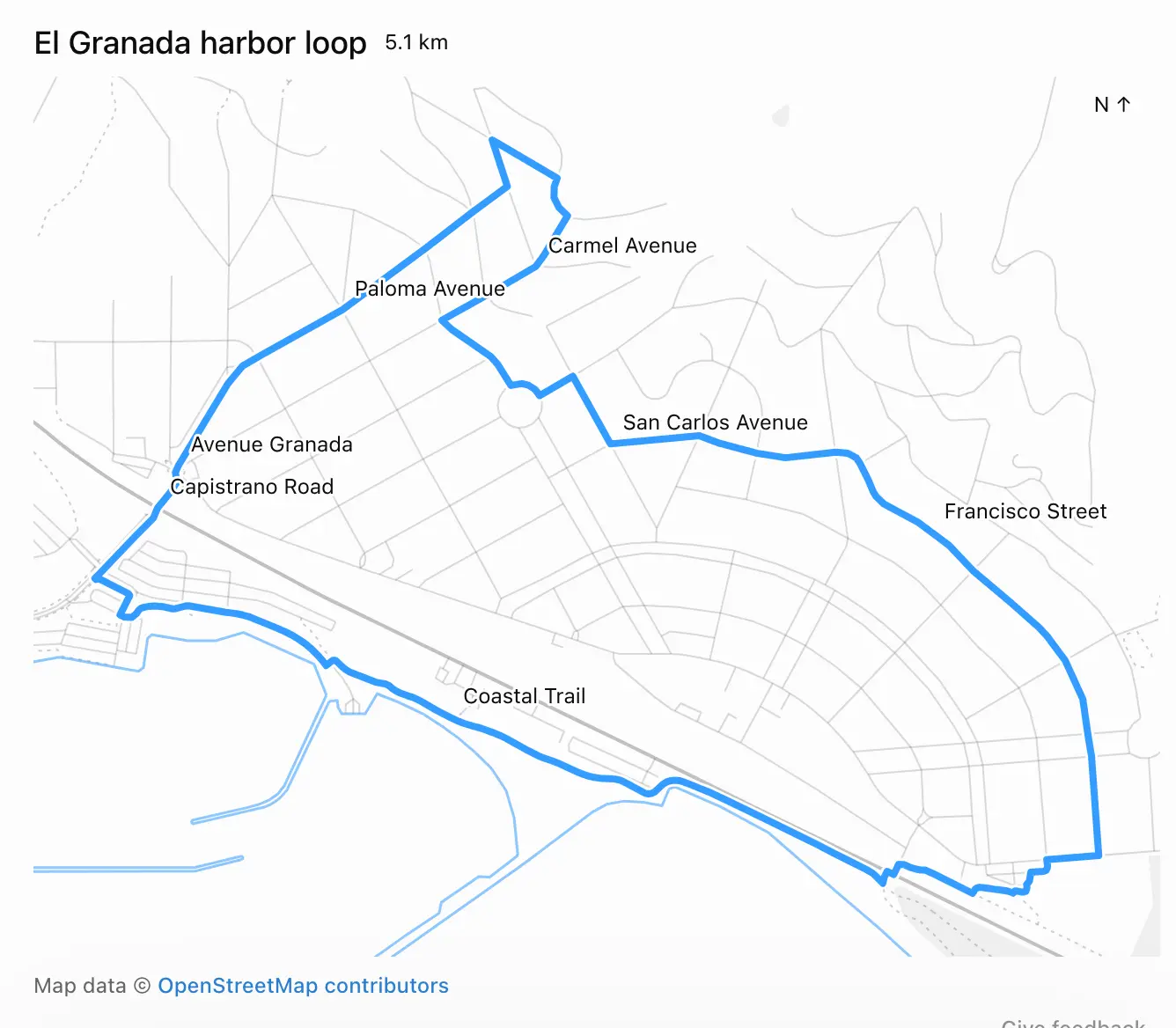
 Generating running routes from OpenStreetMap data with GPT-6 AstraRead the article English (automatic translation) |
SummarySimon Willison used ChatGPT Work (GPT-6 Astra Max) to generate 5K and 10K running routes starting from a home address, leveraging OpenStreetMap data. The process took 27 minutes; the agent produced GPX and GeoJSON files alongside an embedded D3 visualization. Willison highlights a transparency issue: the code generated by the agent was not visible in the interface and became impossible to recover after the chat flow was compressed. |
Why it mattersThis is a concrete early example of agentic large language model (LLM) systems combining geographic APIs like Nominatim and Overpass with local calculations to deliver practical, multi-format outputs without requiring human coding. It also exposes a genuine usability gap in current agent products. When the system context is “compressed,” users lose access to the code and reasoning that produced the results. This undermines trust and reproducibility. |
Highlights
|
Critical takeWillison’s concern is justified. However, the core issue is architectural. A product that hides its own execution outputs and then deletes them through compression presents a black box mimicking a tool. This is a serious anti-feature for any user who needs to audit, reuse, or debug the output. |