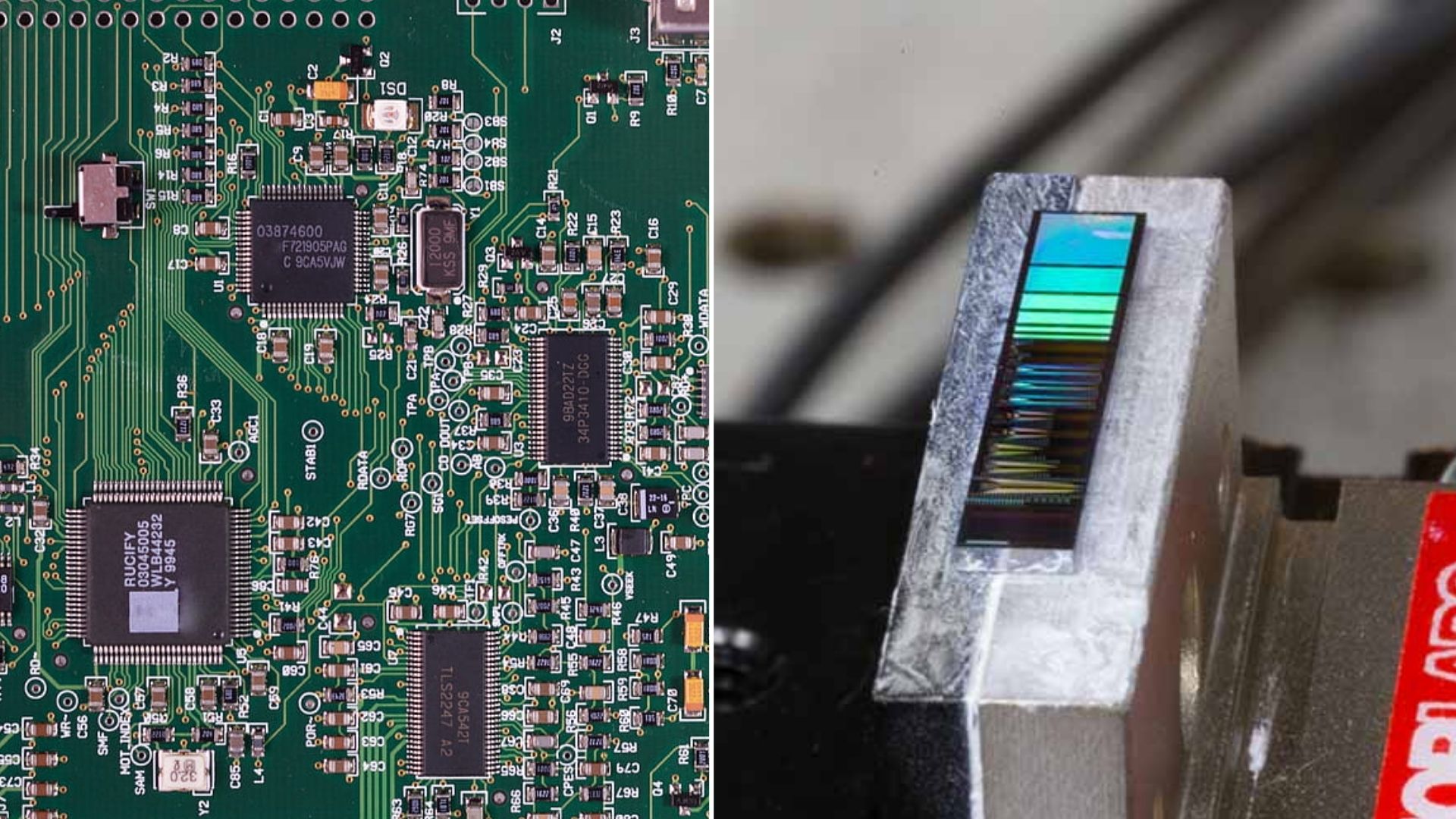
 Electronic vs photonic chips: Two different ways to move and process data explainedRead the article English (automatic translation) |
SummaryAn explanatory article comparing electronic (transistor-based) and photonic (light-based) chips, arguing that they are complementary rather than competitors. Photonic technology excels in high-bandwidth data transmission, while electronic technology leads in dense logic and computation tasks. |
Why it mattersAs AI workloads and data center traffic explode, the bottleneck is shifting from raw computing power to data transmission. This makes the electronic-photonic interface a critical engineering boundary. Understanding where each technology excels helps readers distinguish between the hype surrounding 'photonic computing'—often claimed to replace silicon—and actual architectural shifts. |
Highlights
|
Critical takeThe article reads more like a timeless textbook summary than a news piece. It lacks references to specific benchmarks, new NIST results, or Intel milestones. The conclusion that 'the future lies in their combination' is the field's generally accepted view. At best, the text serves as a competent introduction. For technology bulletin readers, the risk is mistaking the article for a breakthrough, when in reality it does not go beyond what is covered in a graduate-level optics course. |