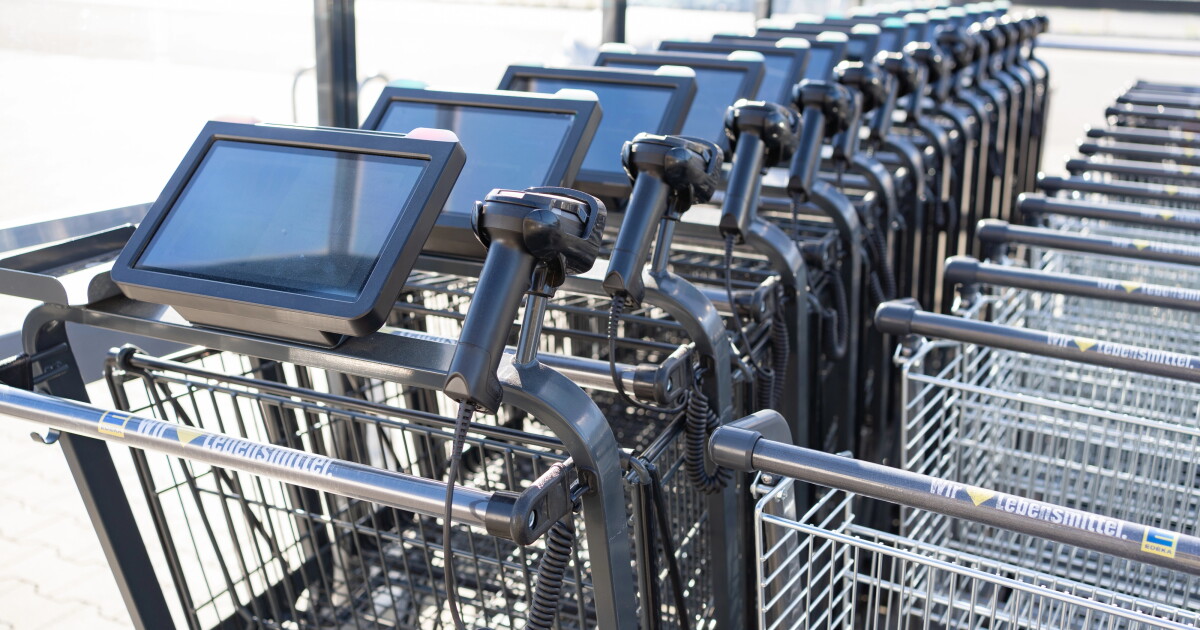
 AI-powered shopping cart users spend 32% more at supermarketsRead the article English (automatic translation) |
SummaryA study by Bayes Business School analyzing 12,418 shopping sessions at a German supermarket found that consumers using tablet-equipped 'smart baskets' spent 32% more, purchased 25% more items, and spent 23% more time in-store compared to those using regular baskets. However, 'super users' who interacted most with the screen bought more items but did not spend more money, a nuance that complicates the study's overall narrative. |
Why it mattersAs retailers increasingly adopt AI-powered in-store interfaces, this study quantitatively demonstrates a direct revenue boost and positions the shopping basket as a new advertising surface. It also raises a consumer protection concern: if every recommendation is designed around the store's profit margin, the emphasis on 'convenience' may mask a subtle steering economy that consumers rarely question. |
Highlights
|
Critical takeBecause the study is purely observational, the 32% difference may stem from self-selection. Technology-oriented individuals might simply be consumers who shop more and more comfortably. The article acknowledges its inability to distinguish causality from correlation. Nevertheless, the narrative leans heavily toward a 'cash register sound' for retailers. An anomaly such as super users buying more items while spending the same amount is ignored rather than treated as a genuine challenge to the sales-boosting narrative. |