 GeoPT enables AI models to simulate scenarios with 60% less dataRead the article English (automatic translation) |
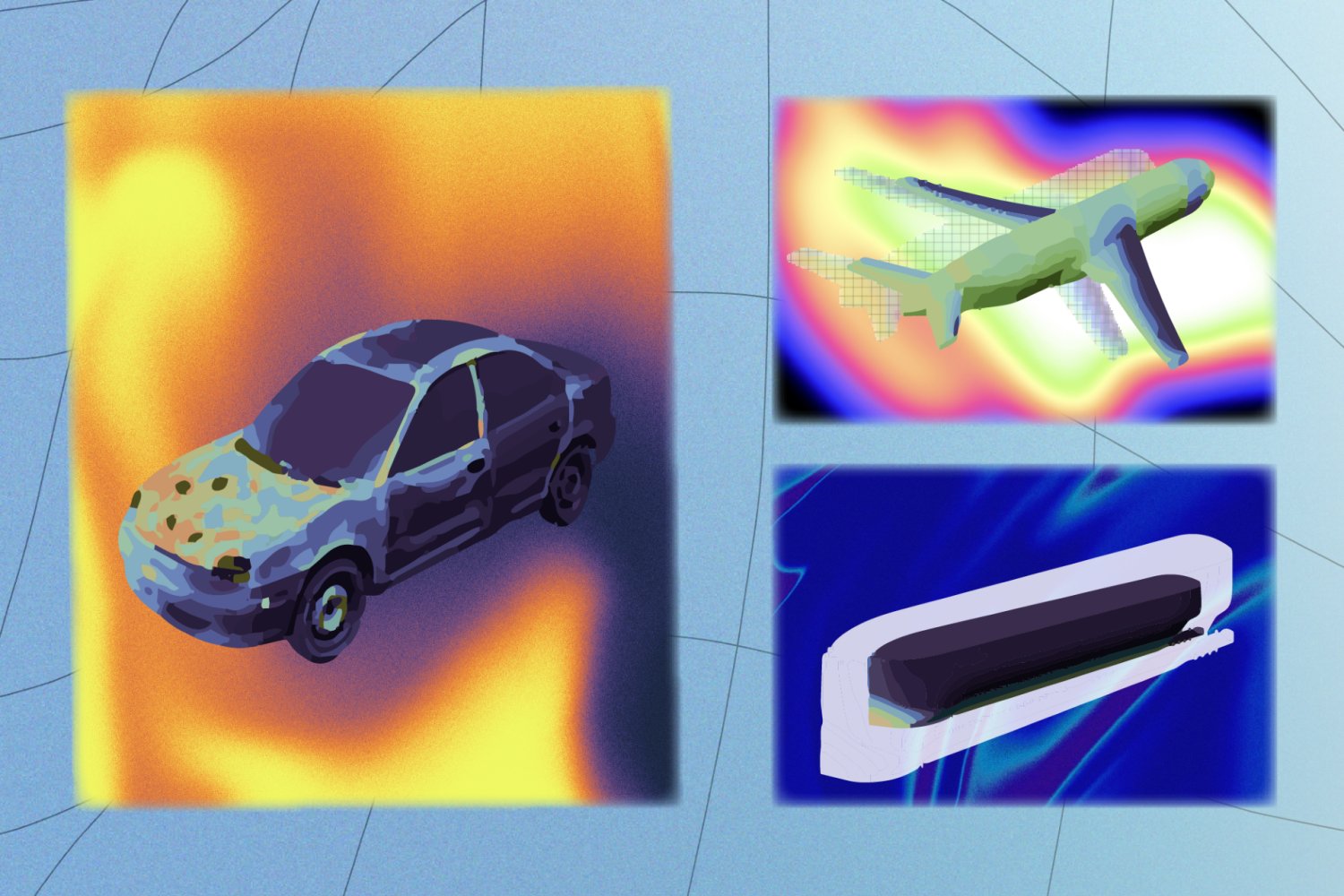
SummaryGeoPT, from MIT CSAIL and Tsinghua University, imparts physics intuition to AI simulation models using 1.3 million synthetic particle collision samples. The method claims to reduce training data by up to 60% and accelerate convergence by 2–4x in tasks such as body aerodynamics, vehicle deformation, and light transport. |
Why it mattersPhysics simulation is a bottleneck in engineering design, robotics, and climate modeling. While numerical solvers are precise, they are too slow to generate large-scale training data. If GeoPT's pre-training paradigm becomes universal, it could dramatically reduce the cost and time of virtual prototyping, bringing the field closer to a reusable 'physics foundation model.' The 'third modality' framework also signals a strategic shift in the AI community, treating physical laws not as hard-coded constraints but as learnable signals. |
Highlights
|
Critical takeThe '%60 less data' headline is task-specific and baseline-dependent. The underlying method—particles stopping at contact—is a coarse geometric proxy, not a full physics solver. Therefore, claims regarding weather, material testing, or complex fluid-structure interaction remain a promising vision. As the text reads like a promotional MIT press release, lacking external expert quotes and independent replication, the universality claim should be read as a promising preview rather than a verified breakthrough. |