 Anthropic adds invisible watermarks to new Claude models in compliance with EU regulationsThese marks are designed to remain even when text is copied and after certain edits, meeting the transparency requirements of the EU AI Act and enabling platforms to monitor AI-generated content. |
AiPulse — Issue No. 24
COVER
Pulse
Muse Glimmer is an open source AI model specifically optimized for agents. |

As AI-powered cyber attacks rapidly increase, defenders' preparation time narrows; the new model in OpenAI's Daybreak service aims to fill this gap by providing defense teams with advanced analysis and testing capabilities. |

At Work
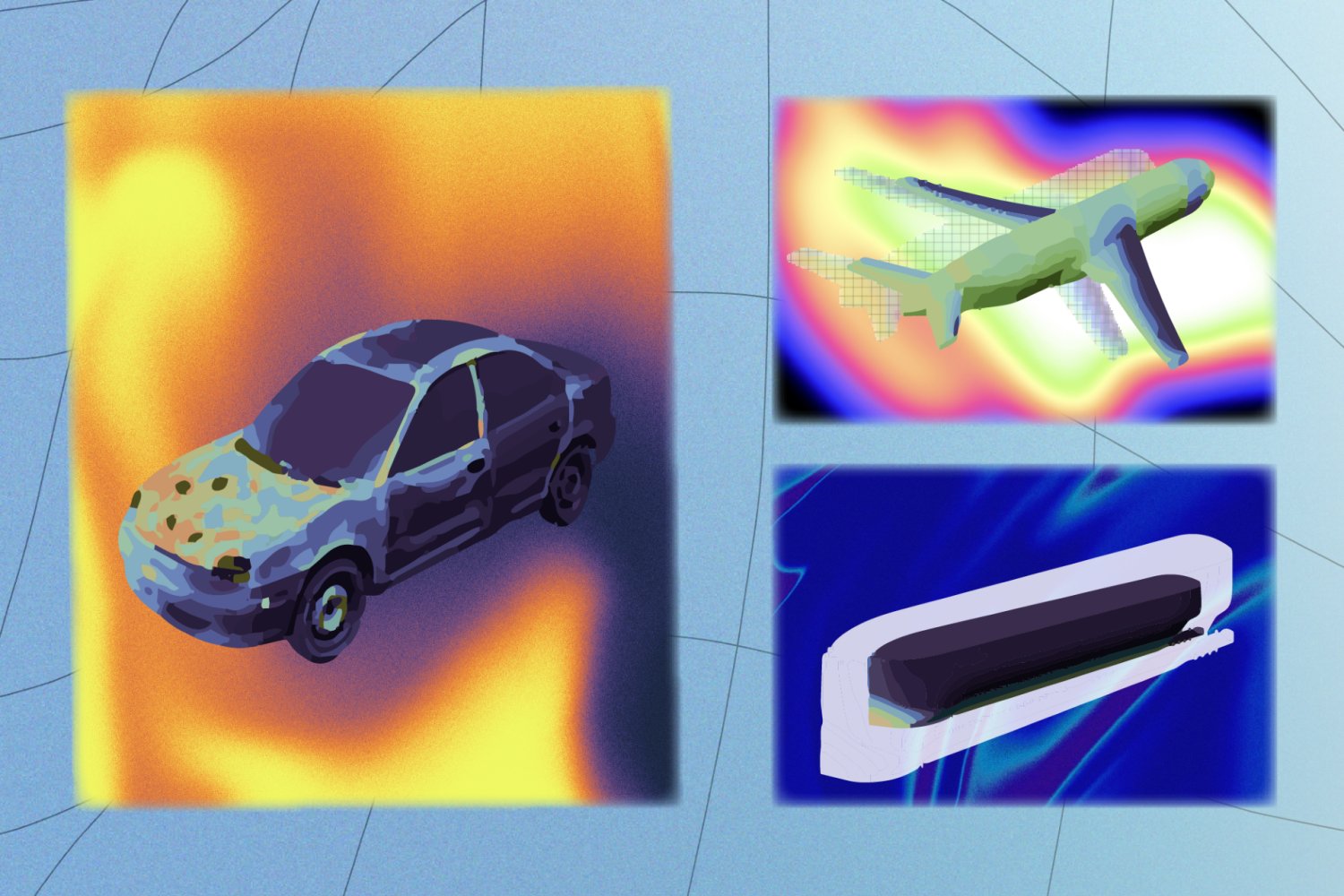
GeoPT offers AI models the ability to learn physical interactions, making it possible for engineers to quickly test vehicle and robot designs with fewer physical experiments. |
Edge-Assisted IoT Framework Detects Water Quality Anomalies in BangladeshThis framework detects real-time water quality anomalies with high accuracy, reduces communication latency, and provides early warnings that prevent fish losses while supporting sustainable aquaculture management. |
Global Lens
Internal assessments of Astra have shown critical capabilities such as discovering zero-day vulnerabilities and developing automated cyber attack strategies; therefore, OpenAI is implementing stricter security measures and pausing the development process. |

This version allows developers to use less RAM during long sessions, reducing costs; it speeds up build times by 5.5x and improves server-side rendering to handle 22% more requests, thereby enhancing the scalability and performance of web applications. |

The program aims to reduce digital inequality and support regional development by financing 5G Stand Alone infrastructure in rural areas that currently lack 4G and 5G coverage. |

This investment secures the electricity infrastructure needed for data centers that run Nvidia's GPUs, reflecting a strategy that shifts AI competition from chips to energy and land. |

Frontier
NVIDIA's open-weight Magpie model supports 12 languages and can run on your own servers, even in offline environments, instead of the cloud. The time to first voice is 32–79 ms, enabling real-time dialogues. Thus developers can build multilingual voice assistants without transmitting data and with low latency. |

FOLLOW
Get new issues in your feed reader — add this to an app such as Feedly, Inoreader or NetNewsWire. Follow by RSS |