 MIT CSAIL ve Toyota Research Institute, gerçekçi sanal ortamlar yaratmak için yönlendirilebilir sahne üretimiyle robot eğitim verilerini ölçeklendiren yeni bir araç geliştirdiUsing generative AI to diversify virtual training grounds for robotsHabere gitRead the article Türkçe (otomatik çeviri) English (automatic translation) |
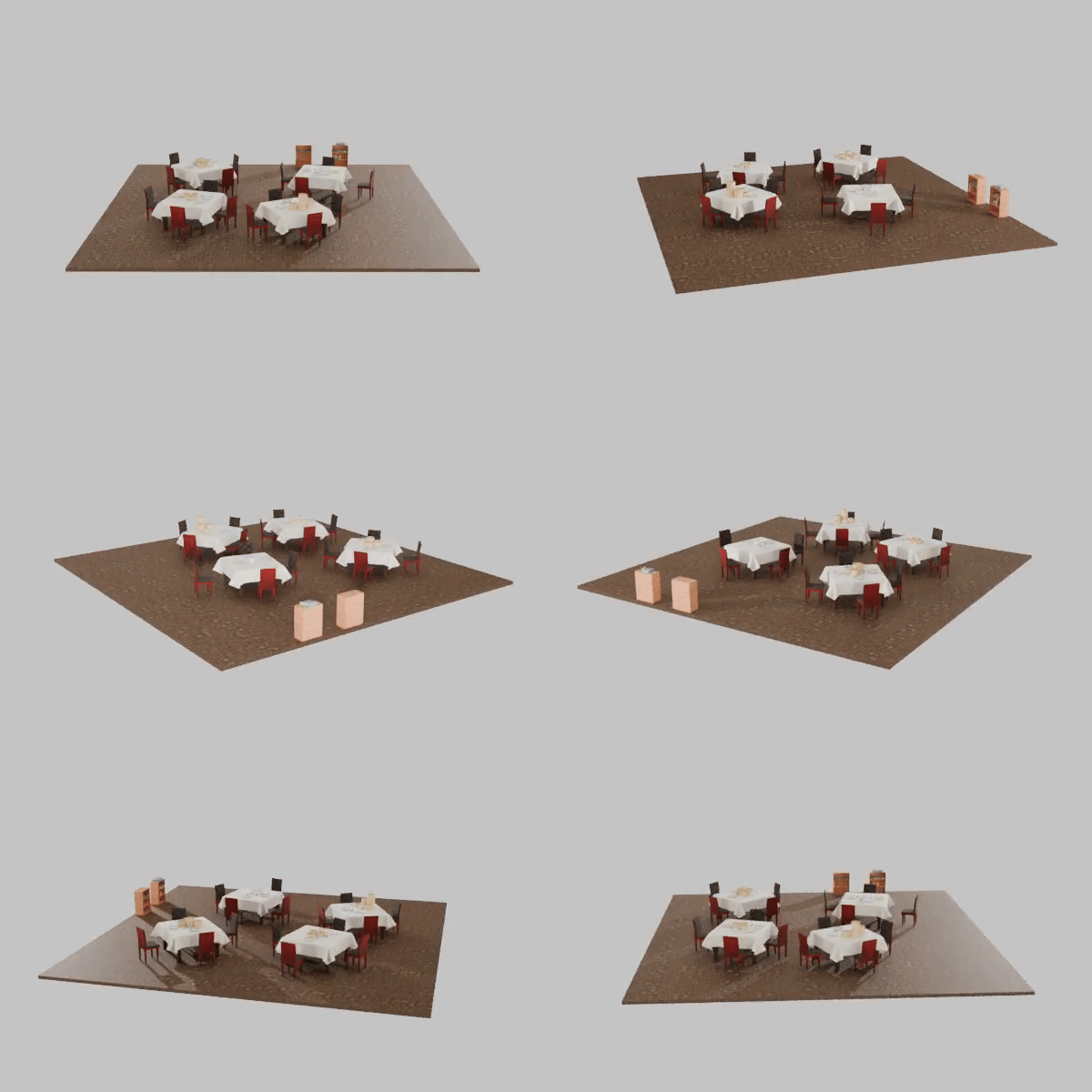
ÖzetSummaryMIT CSAIL ve Toyota Araştırma Enstitüsü, 'yönlendirilebilir sahne üretimi' aracı tanıttı. Araç, Monte Carlo ağaç araması, pekiştirmeli öğrenme veya metin istemleri aracılığıyla difüzyon modelini yönlendiriyor. Hedef, fiziksel olarak olası 3D mutfak, oturma odası ve restoran sahneleri üretmek. Bu sayede robot temel modelleri için çeşitli eğitim verisi kitlesel olarak oluşturulması amaçlanıyor.MIT CSAIL and Toyota Research Institute have introduced a tool for 'directed scene generation.' The tool steers a diffusion model using Monte Carlo tree search, reinforcement learning, or text prompts. The goal is to generate physically plausible 3D scenes of kitchens, living rooms, and restaurants. This aims to enable the mass creation of diverse training data for robot foundation models. |
Neden ÖnemliWhy it mattersGerçek dünyadan robot gösterimleri toplamak yavaş, pahalı ve tekrarlanamaz. Bu durum, genel amaçlı robotik için önemli bir darboğaz oluşturuyor. Milyonlarca fiziksel olarak tutarlı ve görev uyumlu 3D sahneyi güvenilir şekilde üretebilen bir araç, veri engellerini büyük ölçüde düşürebilir. Bu da ev veya fabrika robot asistanlarına giden yolu hızlandırabilir. Çalışma, MCTS'nin sahne üretiminde sıralı karar verme çerçevesi olarak ilk kez kullanılmasını da işaret ediyor. Bu, robotik ötesinde bir yöntemsel katkıdır.Collecting real-world robot demonstrations is slow, expensive, and non-reproducible. This creates a significant bottleneck for general-purpose robotics. A tool that can reliably generate millions of physically consistent and task-aligned 3D scenes could significantly reduce data barriers. This could accelerate the path to robot assistants for homes or factories. The work also marks the first use of MCTS as a sequential decision-making framework in scene generation. This is a methodological contribution beyond robotics. |
Öne ÇıkanlarHighlights
|
EleştiriCritical takeMakale, 'fiziksel olarak olası' kavramını (kesilme yokluğu, isteme uyum) gerçek fiziksel sadakatle karıştırıyor. Gerçek dünya robot görev başarı oranına karşı nicel bir kıyaslama sunulmuyor. Bu nedenle kritik simülasyon-gerçek dünya aktarım boşluğu tamamen ele alınmıyor. %98 ve %86 doğruluk oranları, dar ve iyi tanımlı sahne türlerinde ölçülüyor. Bu yüzden gerçek evlerdeki dağınık nesnelerin uzun kuyruğuna genelleme hâlâ açık bir soru.The paper conflates the concept of 'physically plausible' (absence of clipping, prompt alignment) with true physical fidelity. No quantitative benchmark against real-world robot task success rates is provided. Therefore, the critical simulation-to-reality transfer gap is not fully addressed. The 98% and 86% accuracy rates are measured in narrow, well-defined scene types. Thus, generalization to the long tail of cluttered objects in real homes remains an open question. |