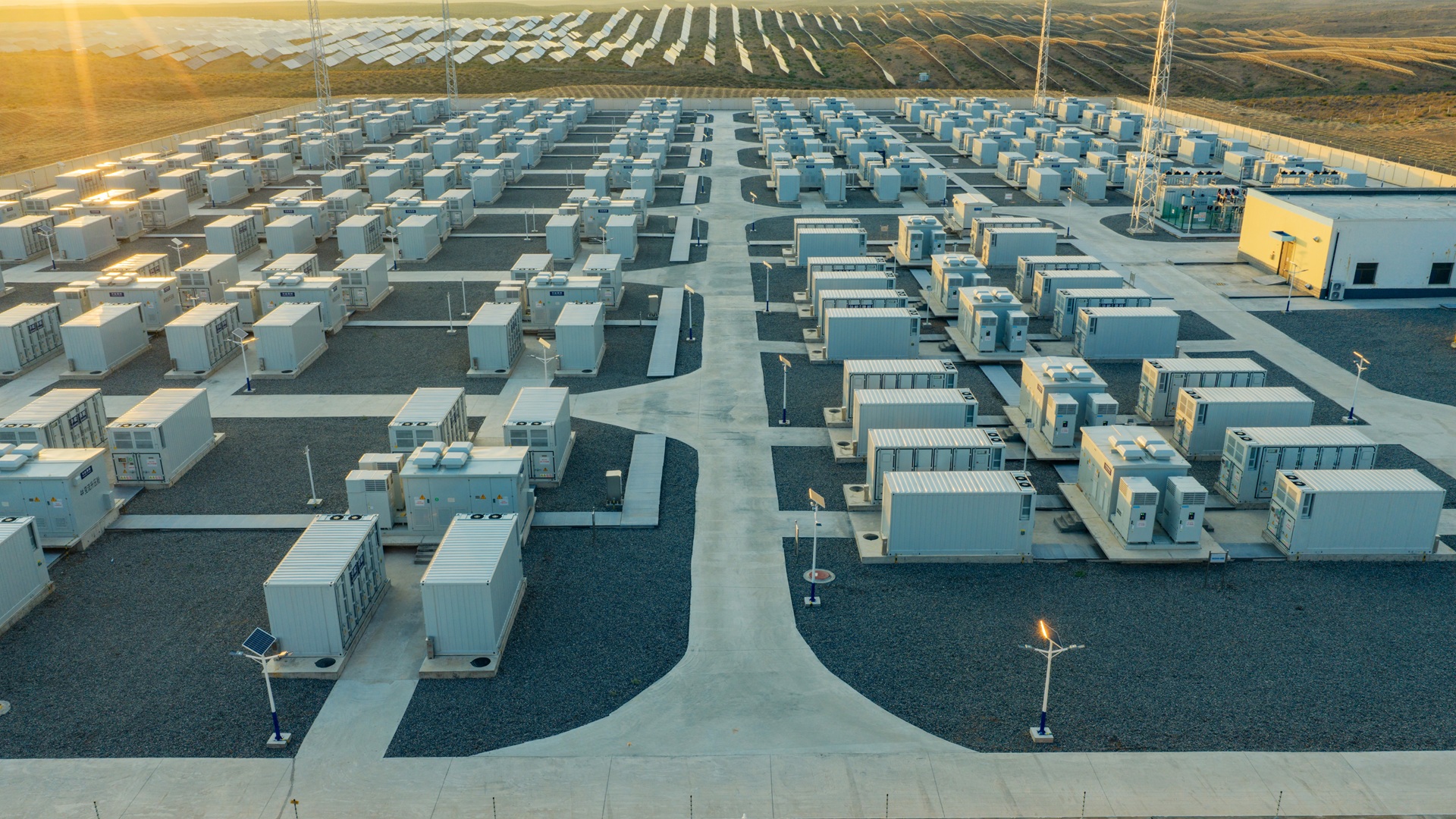
SummarySamsung SDI has signed a 1 GWh battery storage supply agreement with Houston-based Alpha Omega Power. The company will supply SBB 1.7 NCA systems for US grid projects in the WECC and ERCOT markets. These systems offer a 17% higher energy density compared to their predecessor. The cells are manufactured at the Stellantis–Samsung StarPlus facility in Indiana. |
Why it mattersAs renewable energy scales up, demand for grid-scale storage in the US is rapidly increasing. This agreement secures a domestic production line that overcomes import bottlenecks. The 25-year design life and the density increase within the same footprint are critical for operators requiring long-term, space-constrained installations. The deal also signals Samsung SDI's intent to compete directly with CATL and LG Energy Solution in the North American ESS segment. |
Highlights- 17% increase in energy density within the same 20-foot container, utilizing NCA cells and the PrismStack prismatic format
- AI-based fault prediction and an Enhanced Direct Injection fire suppression system; compliant with NFPA 855 and UL 9540 standards
- All cells and modules are produced at the Kokomo StarPlus joint venture facility in Indiana (Stellantis + Samsung SDI). Combined with the late 2025 agreement, total commitments reach 1.5 GWh
|
Critical takeThe article reads almost verbatim like a Samsung SDI press release. The headline claiming '17% more energy' is measured only against Samsung's own SBB 1.5 model; no comparison is made with competing products from CATL or LG. Consequently, the true competitive advantage remains unclear. The vague claim of 'AI-based algorithms' offers little substance beyond marketing language. Furthermore, no independent performance or degradation data is provided to support the 25-year lifespan claim. |
This critique was written by the local AI model
Qwen3.8-27B. I chose the story; I do not review each critique before it is published.