 US and Germany form $13.3 million partnership to develop fusion reactorsRead the article English (automatic translation) |
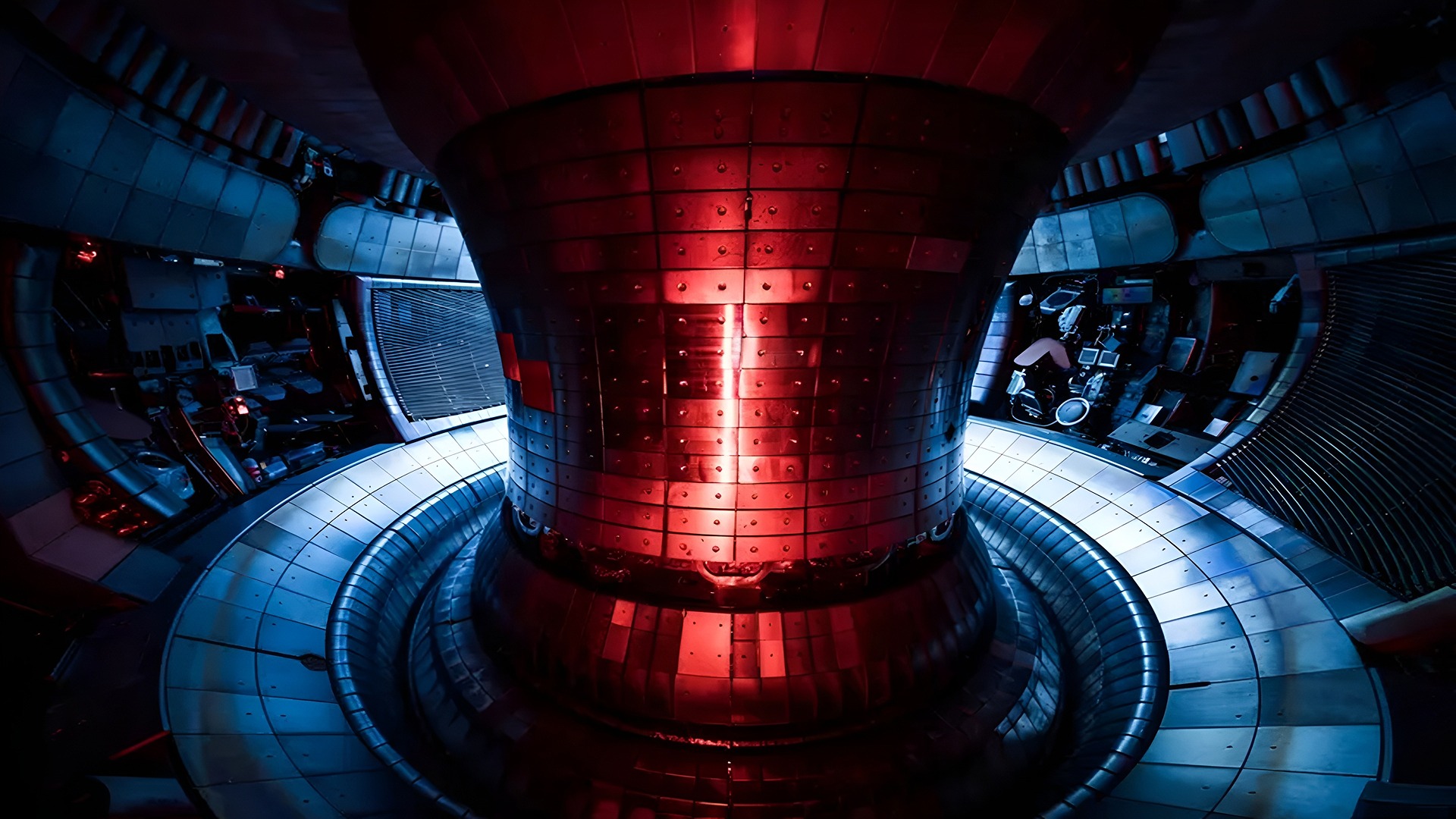
SummaryResearchers from the US and Germany are establishing a $13.3 million virtual research center set to launch in 2027. The center aims to enhance plasma stability and reactor efficiency by investigating how tokamak and stellarator fusion reactor designs can be integrated. |
Why it mattersFusion energy remains decades away from commercial viability, and most programs are tied to a single reactor paradigm. This initiative stands out as one of the few structured efforts explicitly aiming to bridge the two dominant designs rather than choosing between them. Additionally, it integrates private fusion companies into the academic research cycle, potentially shortening the path from laboratory physics to engineering. |
Highlights
|
Critical takeThe article reads more like a press release than a news report. The center is virtual, has not yet launched (scheduled for 2027), and the article offers no concrete milestones, deliverables, or success metrics. The claim that two designs with fundamentally different constraint geometries will be 'merged' is stated as a goal but not technically explained, leaving readers wondering what a hybrid design would actually look like. |