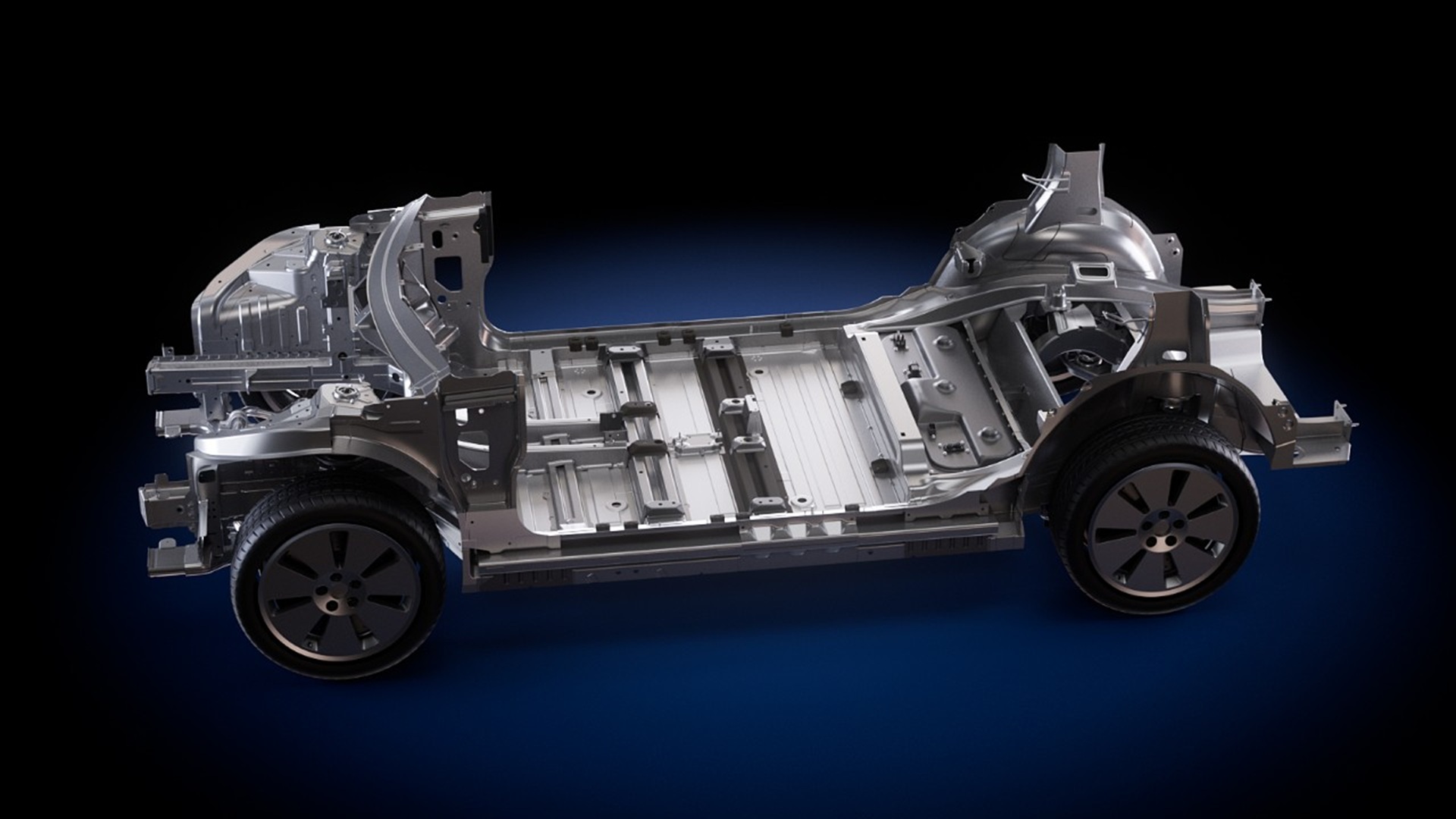
 GM approves 300,000 battery designs after virtual testingRead the article English (automatic translation) |
SummaryGM reported that, as part of its fourth-generation electric vehicle platform, engineers evaluated over 300,000 lithium manganese-rich battery configurations using computer simulations before producing a physical prototype. This approach reduced the process from concept to program approval to just one month. |
Why it mattersIf the simulation-first workflow maintains consistency, it could halve the traditional five-year electric vehicle development cycle and lower the cost of bringing longer-range, cheaper batteries to market. This shift also signals a transition to digital twin-based manufacturing, where design, engineering, and factory planning are executed in parallel rather than sequentially. |
Highlights
|
Critical takeFigures for energy density, range increase, and part count reduction are explicitly stated as targets, not measured results. GM also did not provide a production date commitment. Consequently, the news reads more like a well-crafted corporate press release than a verified engineering milestone. While the number of 300,000 designs is impressive, its value depends on the accuracy of the underlying simulation models. No third-party verification or independent benchmarking is provided. |